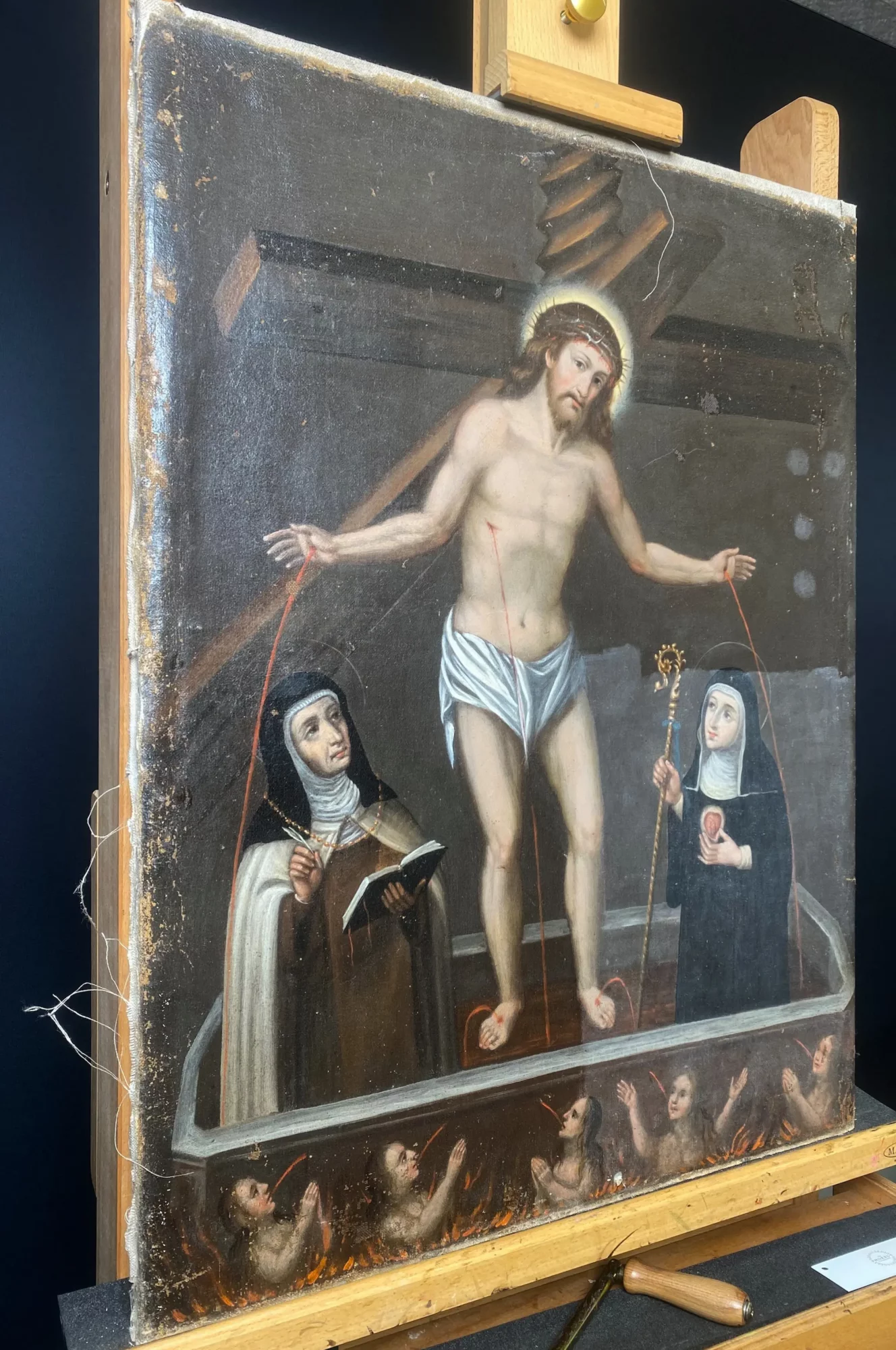
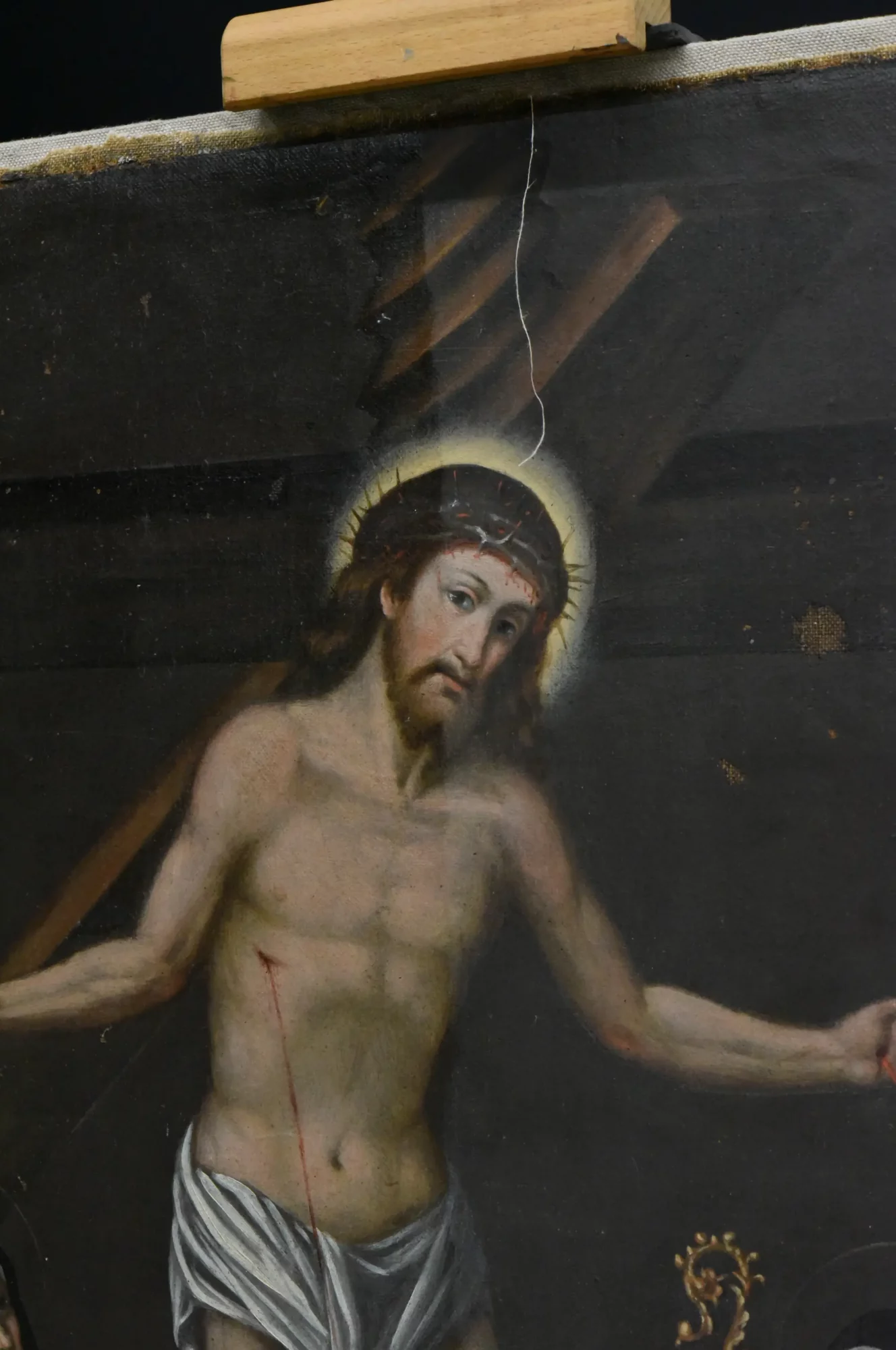
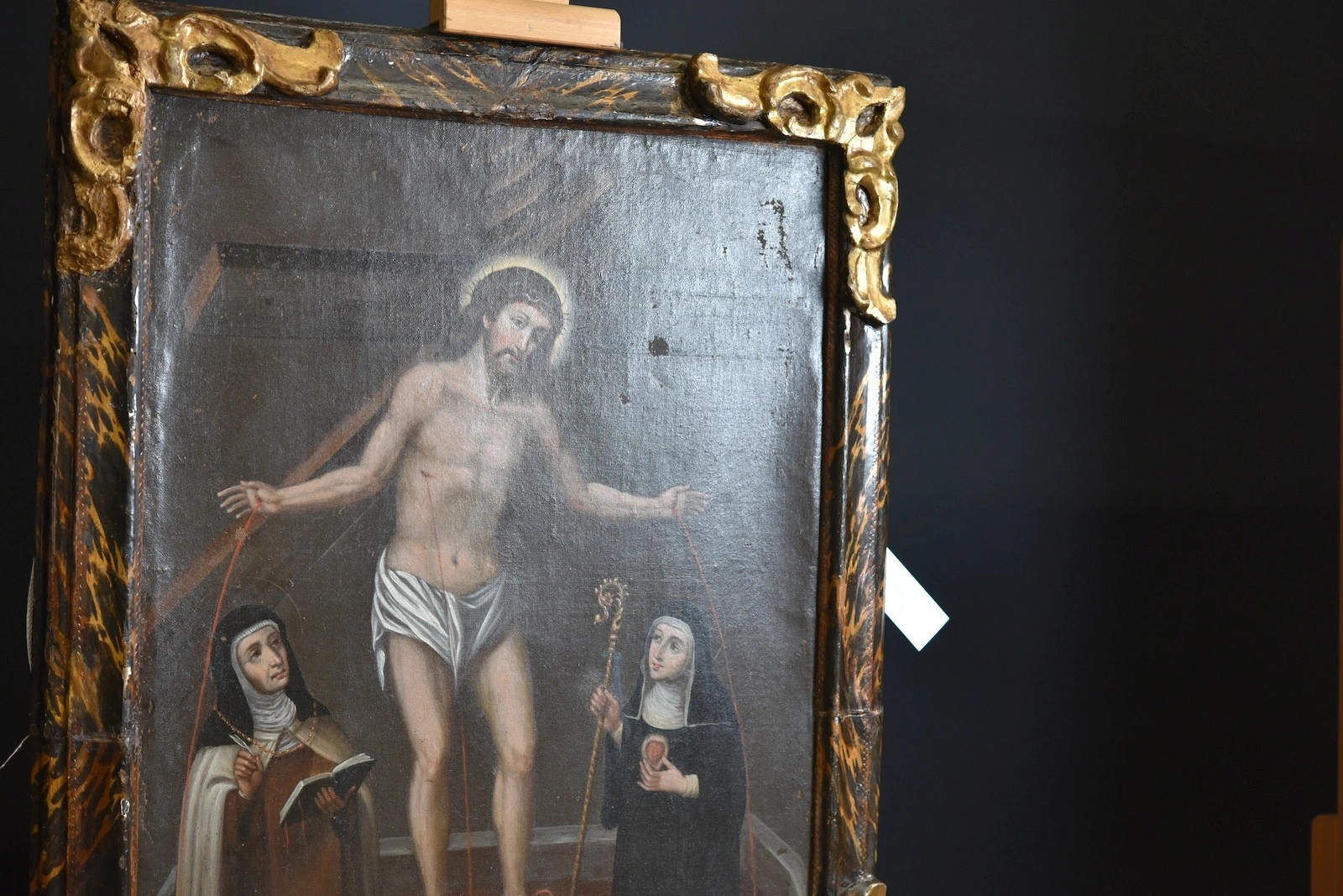
Appearance of the risen Christ to Saints Gertrude and Teresa
Phoebus Fellow Soraia Martins, conservator-restorer from Portugal, is currently restoring the 17th-century oil painting Appearance of the risen Christ to Saints Gertrude and Teresa from The Phoebus Foundation collection. The conservation treatment offers a valuable opportunity to study both the painting’s technique and its condition in detail. It soon became clear that several of the issues affecting the work were the result of earlier restoration campaigns.
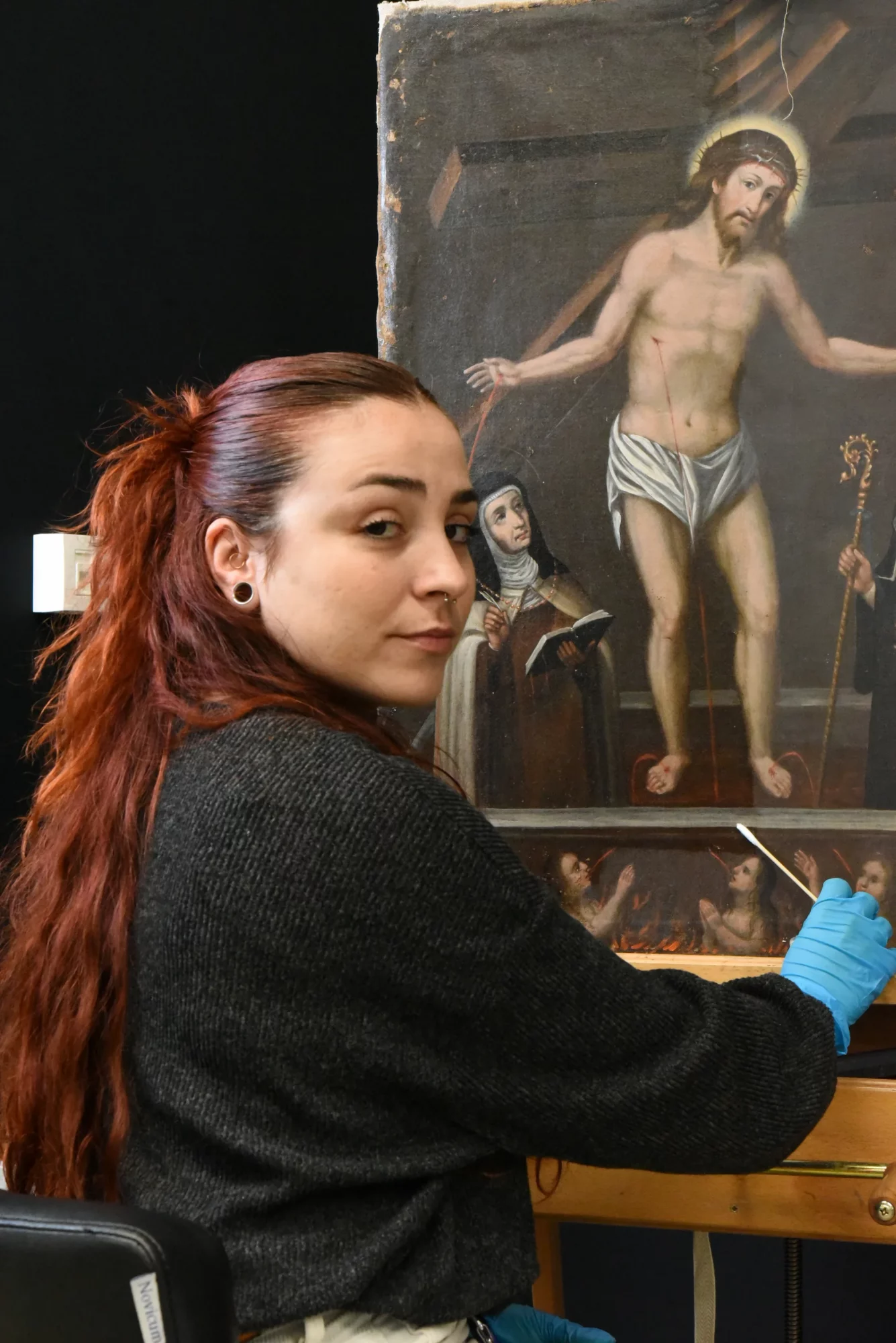
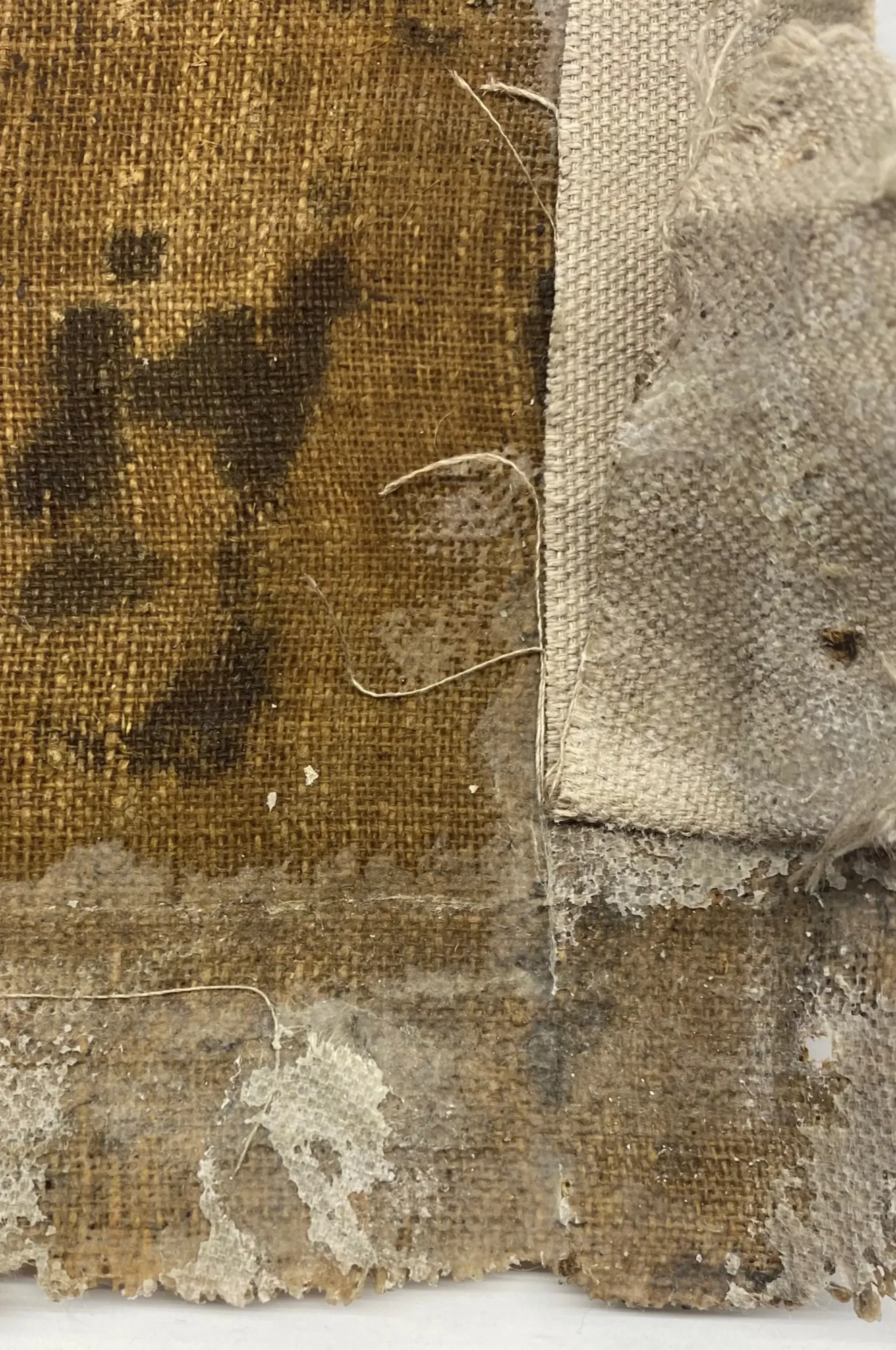
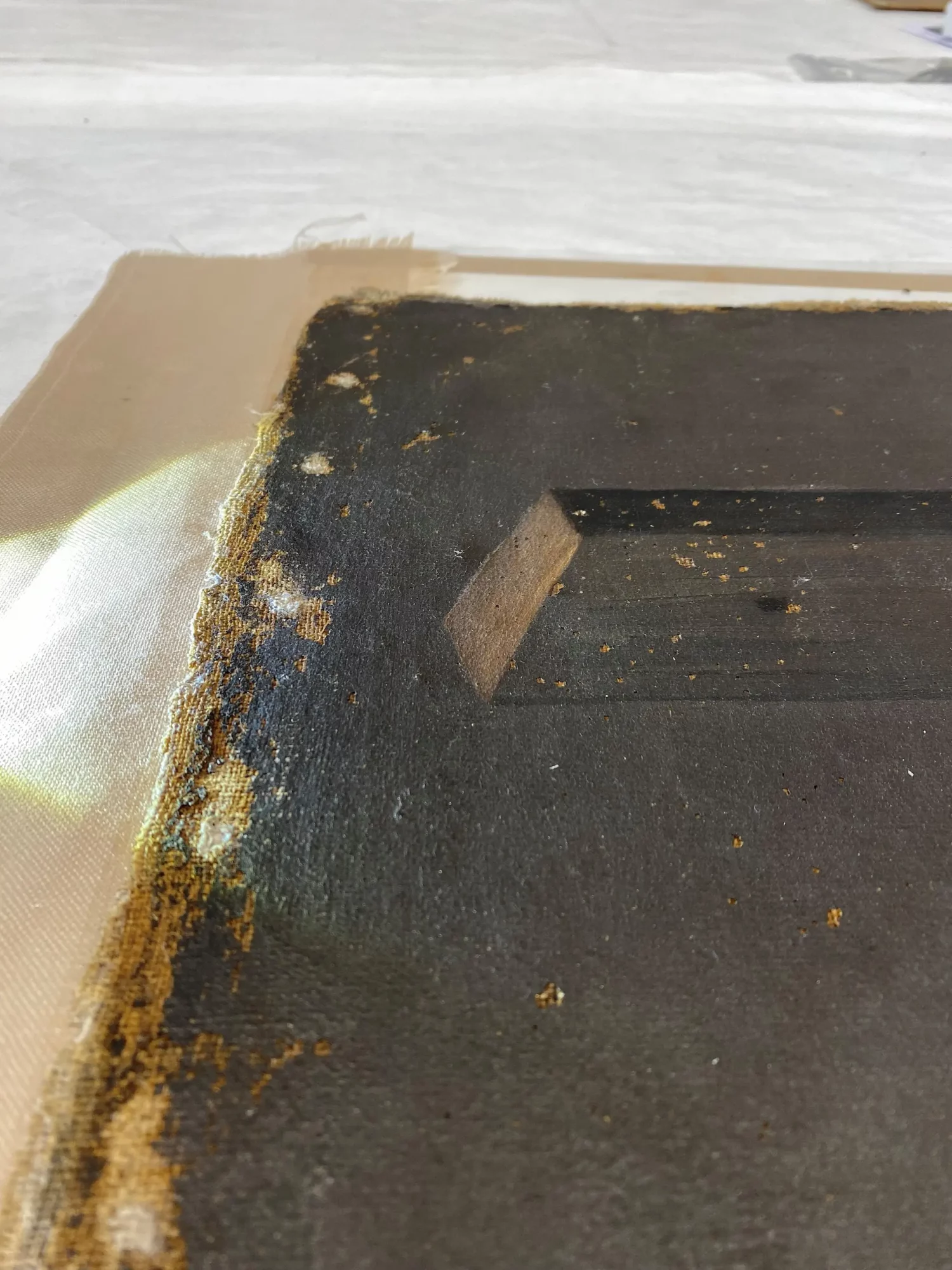
One of the greatest challenges of this restoration concerns the painting’s structural support. The canvas showed pronounced distortions along its edges. Once it had been removed from the stretcher, it became clear that these deformations were caused by the overly thick edges of a previous strip-lining, which were incompatible with the exceptionally fine original canvas. Moreover, they had been attached using a thick, rigid synthetic adhesive that had penetrated deep into the canvas fibres, significantly contributing to the distortions.
The treatment began with the careful removal of the strip-lining and, where possible, the remaining adhesive residues. After comparing different treatment methods, controlled humidification using Evolon was selected, followed by the gradual mechanical reduction of the adhesive residues, as this approach produced the best results.
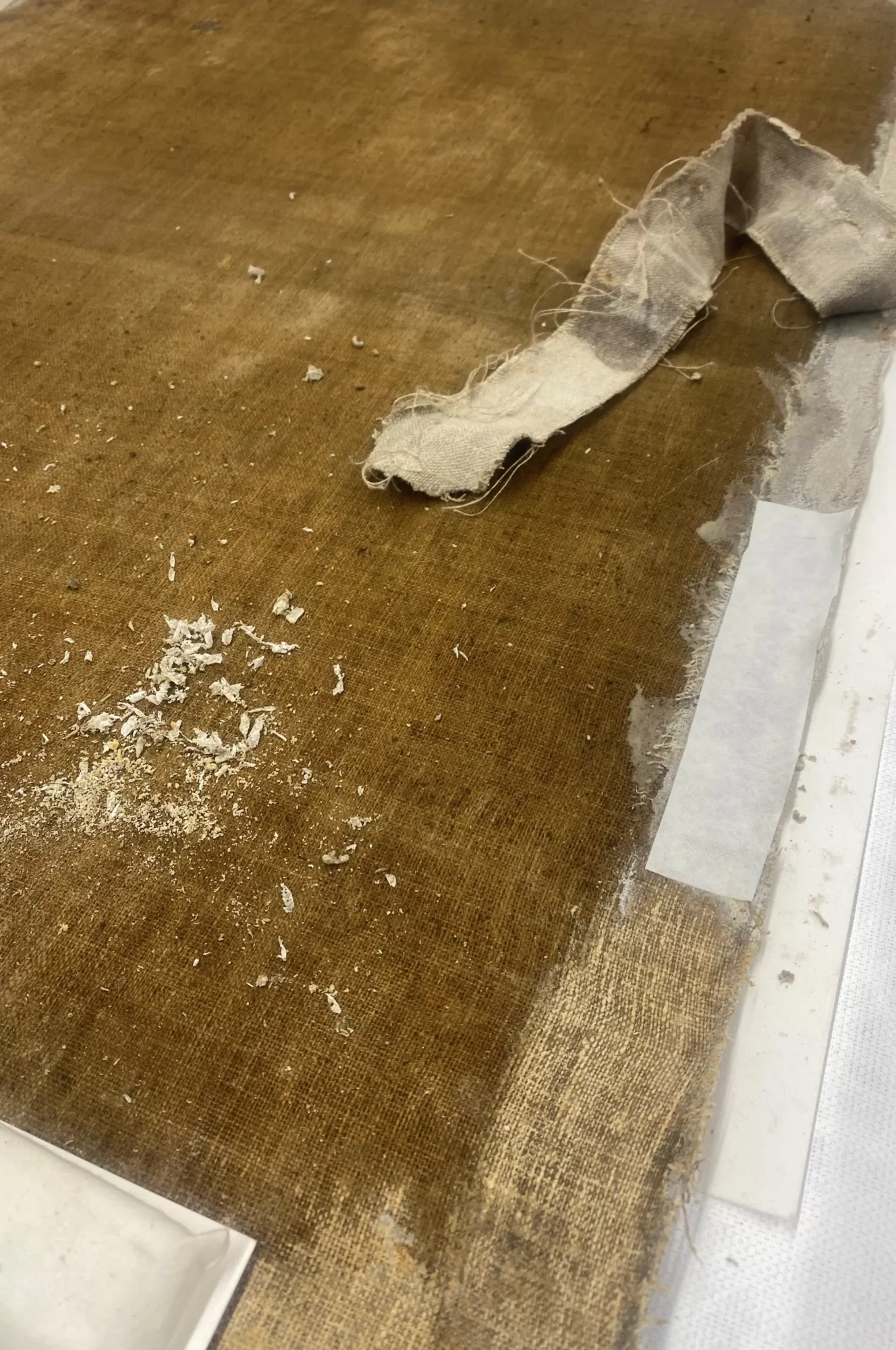
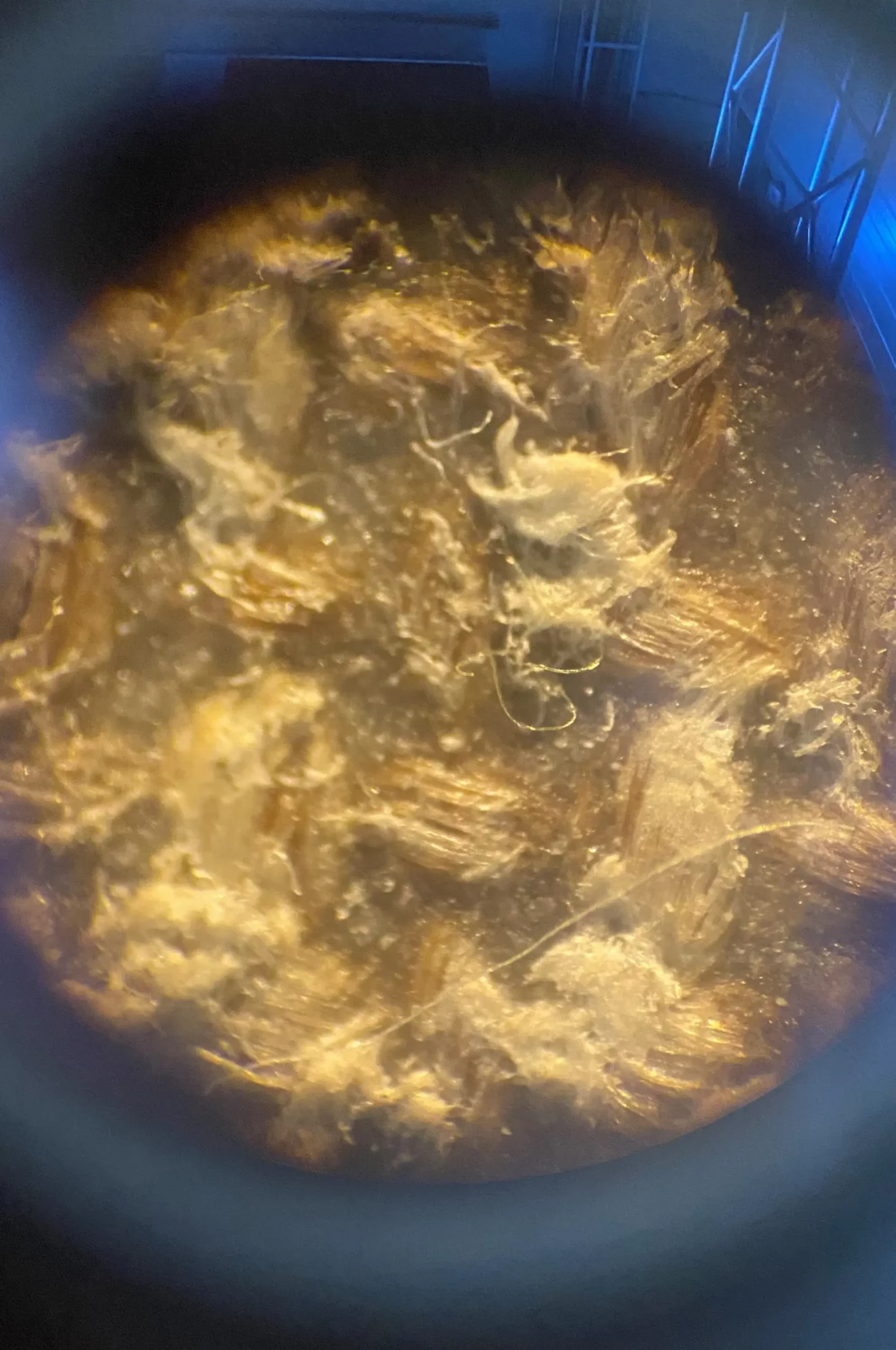
Examination of the reverse also revealed that the original canvas had been impregnated with a synthetic adhesive, which had caused a brownish discolouration. Microscopic analysis showed that the adhesive had a characteristic plastic-like appearance and had penetrated deep into the canvas fibres. Although several gel-based cleaning systems were tested, the adhesive responded only minimally to the solvents used.
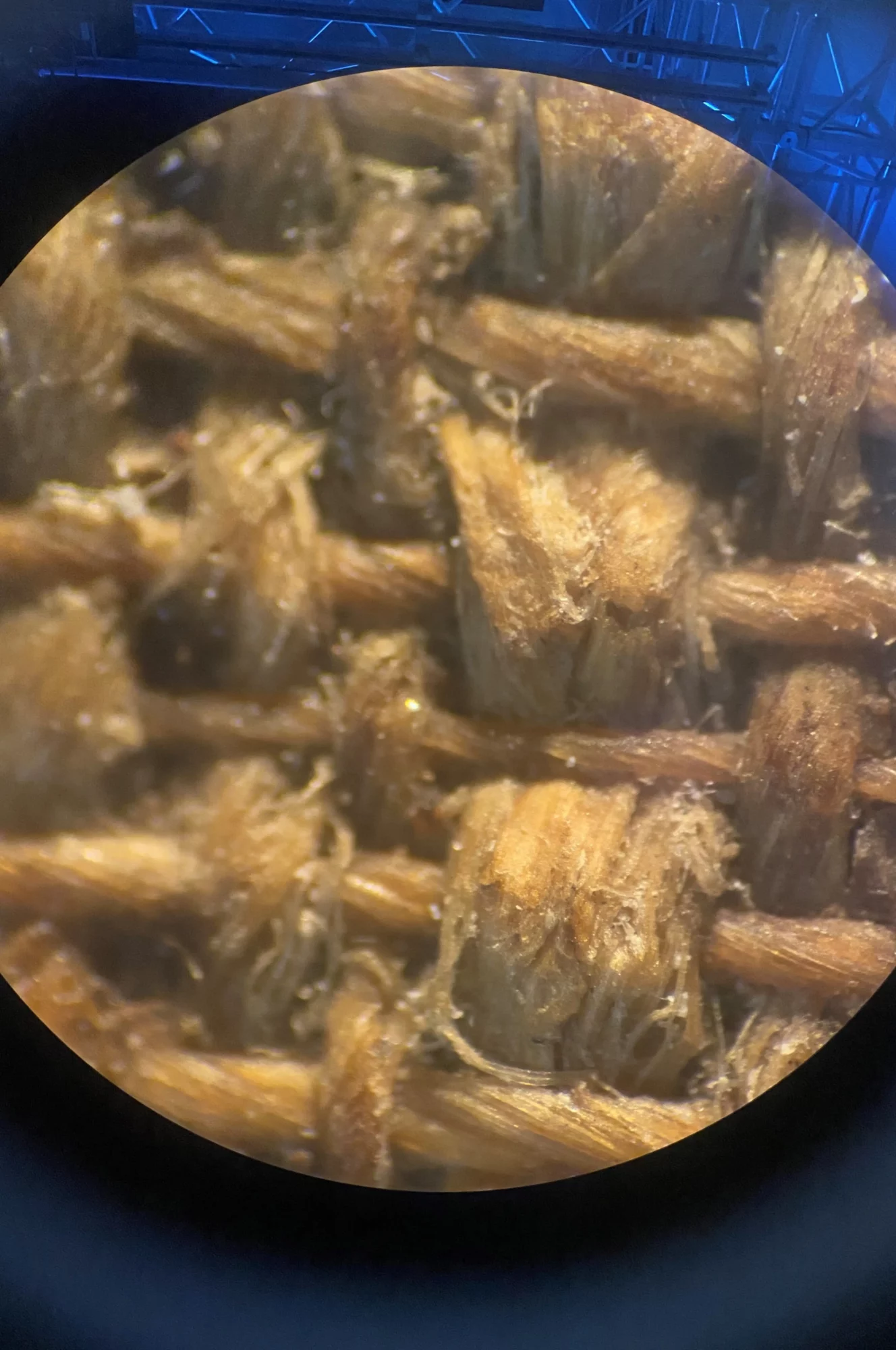
Although the adhesive could be partially softened, its complete removal would have required extensive mechanical treatment. Given the exceptionally fine weave of the original canvas, this would have posed an unacceptable risk to the integrity of the support. A more conservative approach was therefore adopted. The adhesive residues associated with the strip-lining were reduced as far as could be done safely, while the remaining adhesive on the reverse was carefully removed using Wishab sponges and smoke sponges. This treatment improved the flexibility of the canvas without compromising its delicate fibre structure.
The distorted edges were then gradually flattened through controlled humidification followed by drying under restraint. This treatment significantly reduced the deformations and restored a more even tension across the canvas.
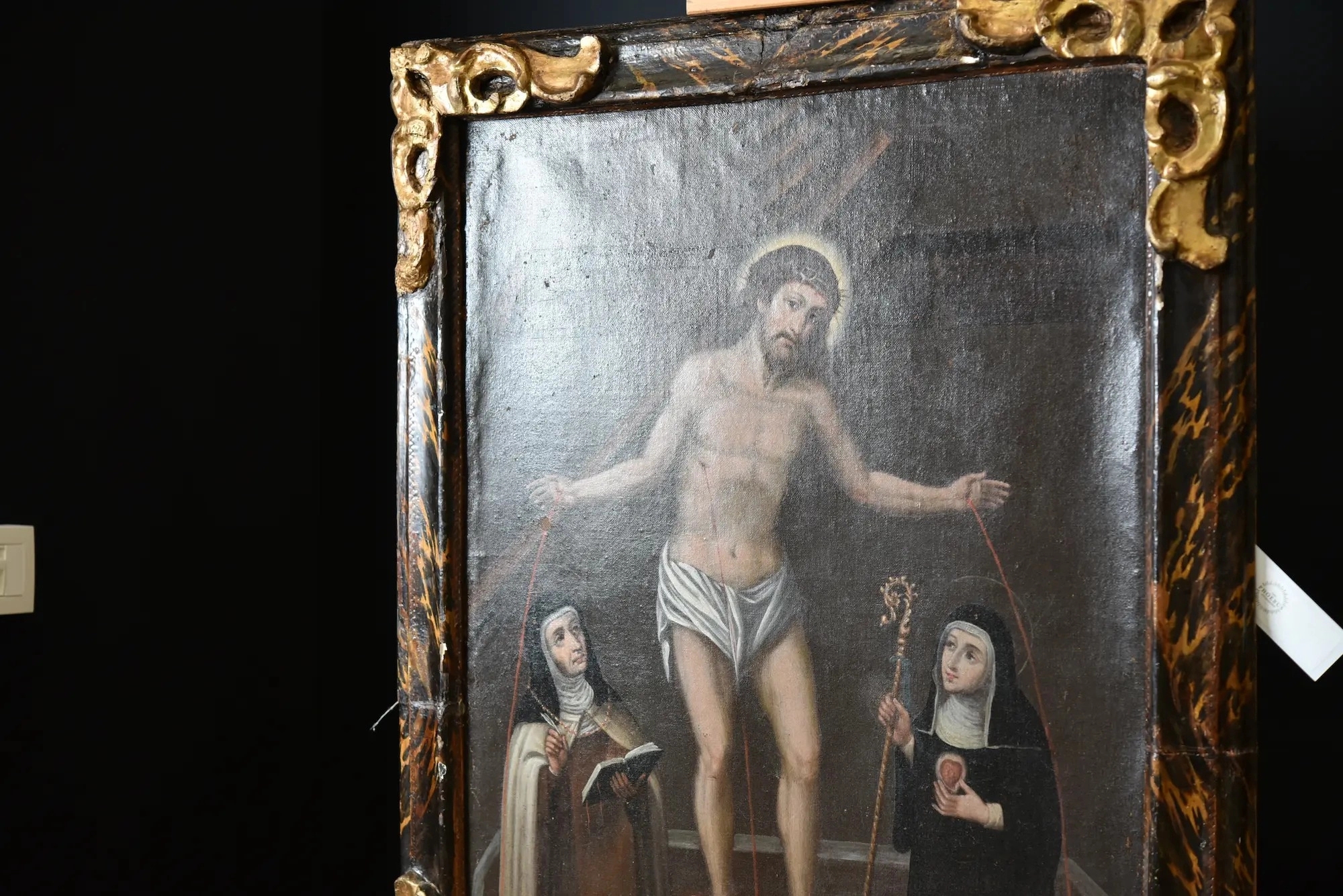
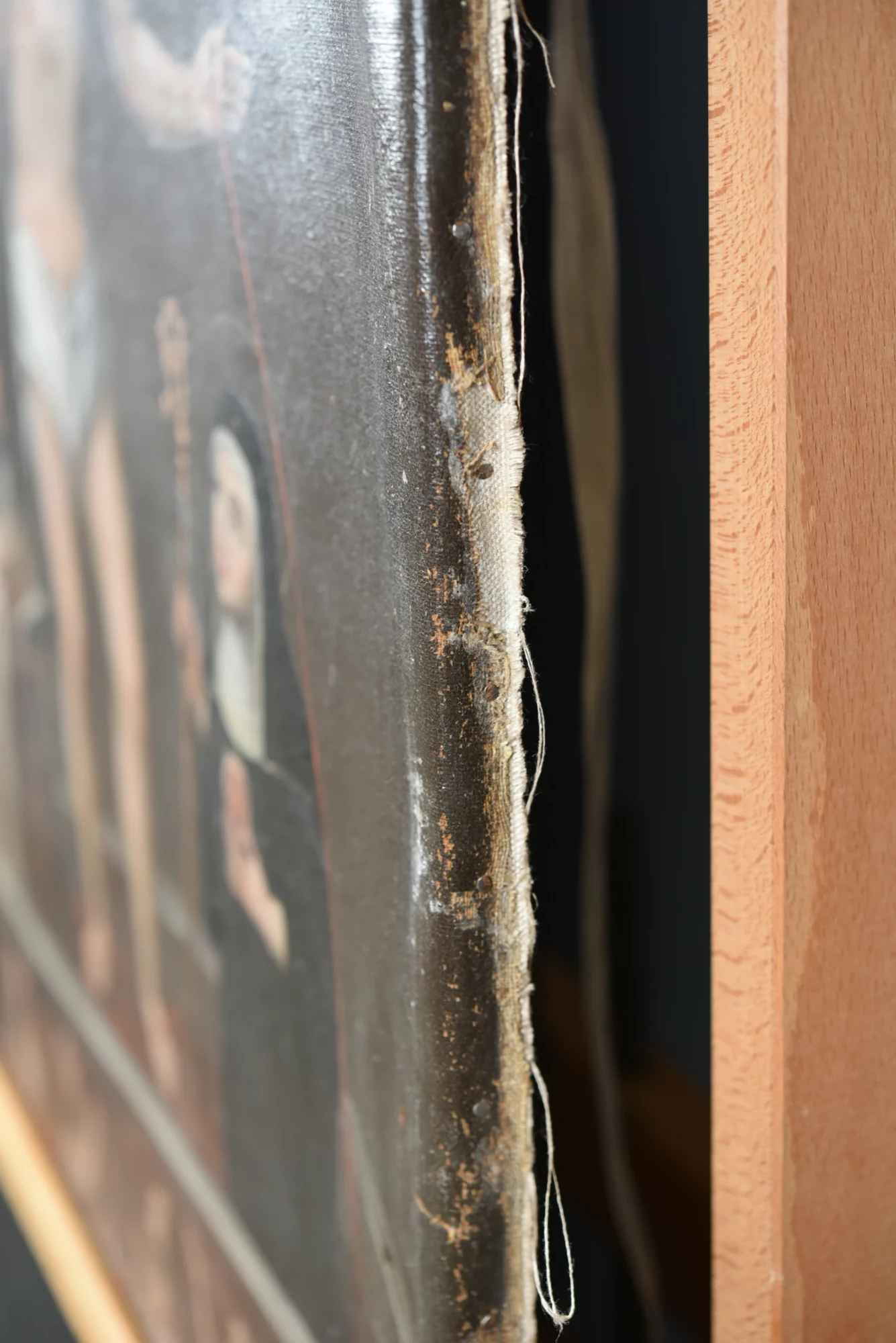
During the structural treatment, another important discovery was made. Colonial paintings were often attached by their painted edges rather than having the canvas wrapped around the stretcher. In this case, one of the original edges had been folded over and secured to the side during a previous restoration. As a result, the original position of the canvas on the stretcher had been altered, causing the painting’s original presentation to be lost.
Although the current stretcher is not original, it was considered suitable for continued use. Extensions were therefore added, allowing the painting to be re-stretched in accordance with its original configuration.
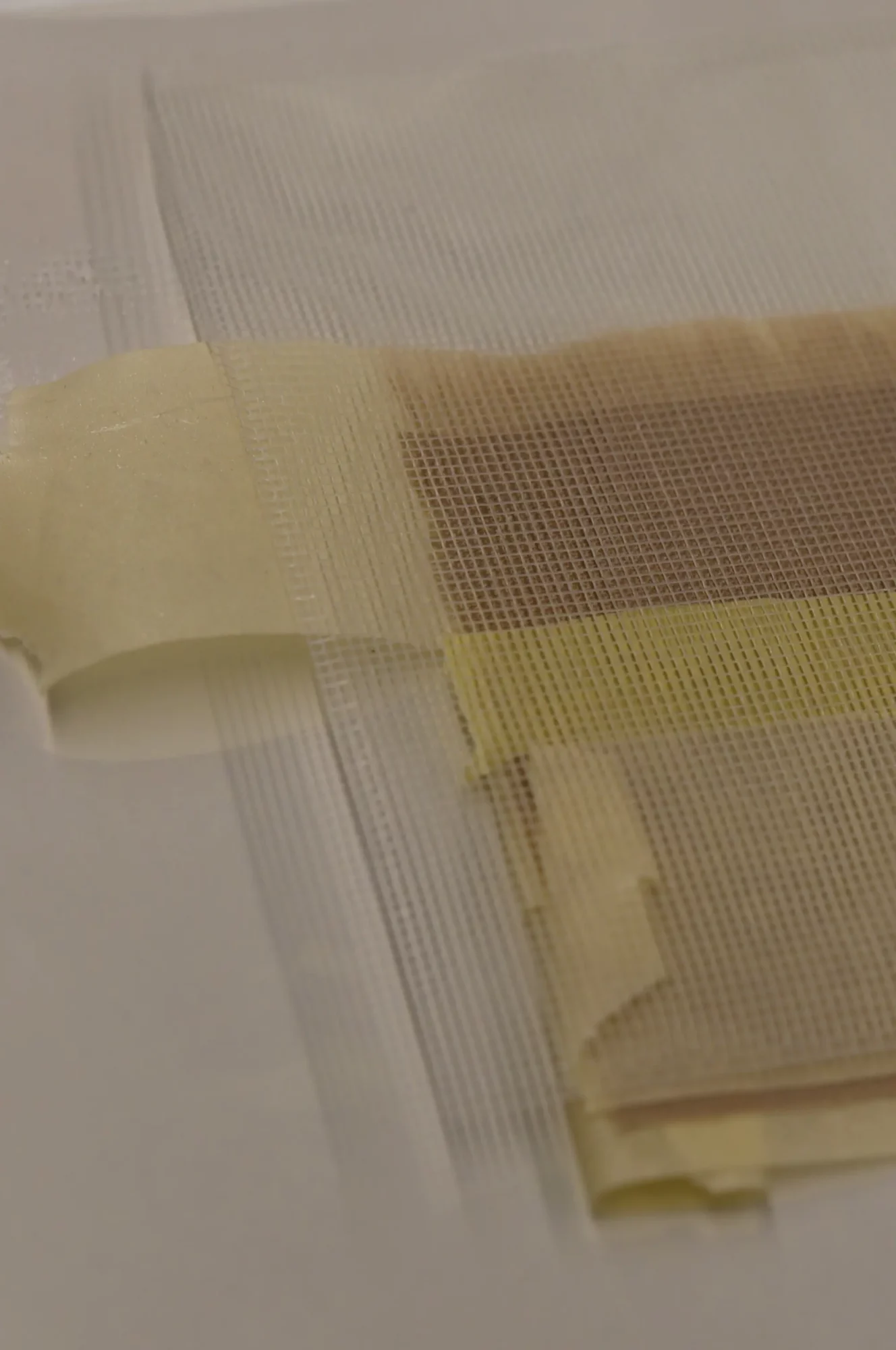
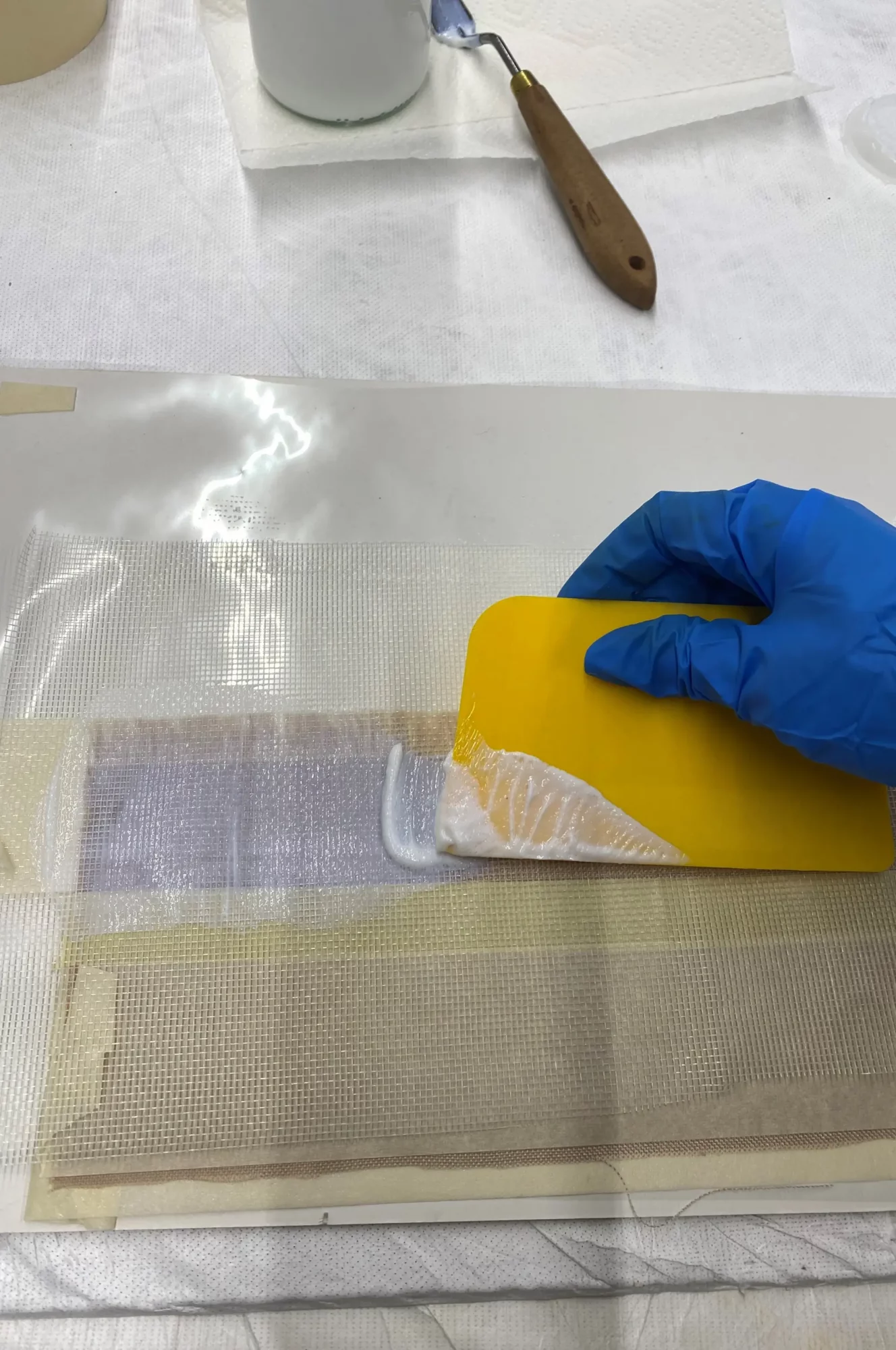
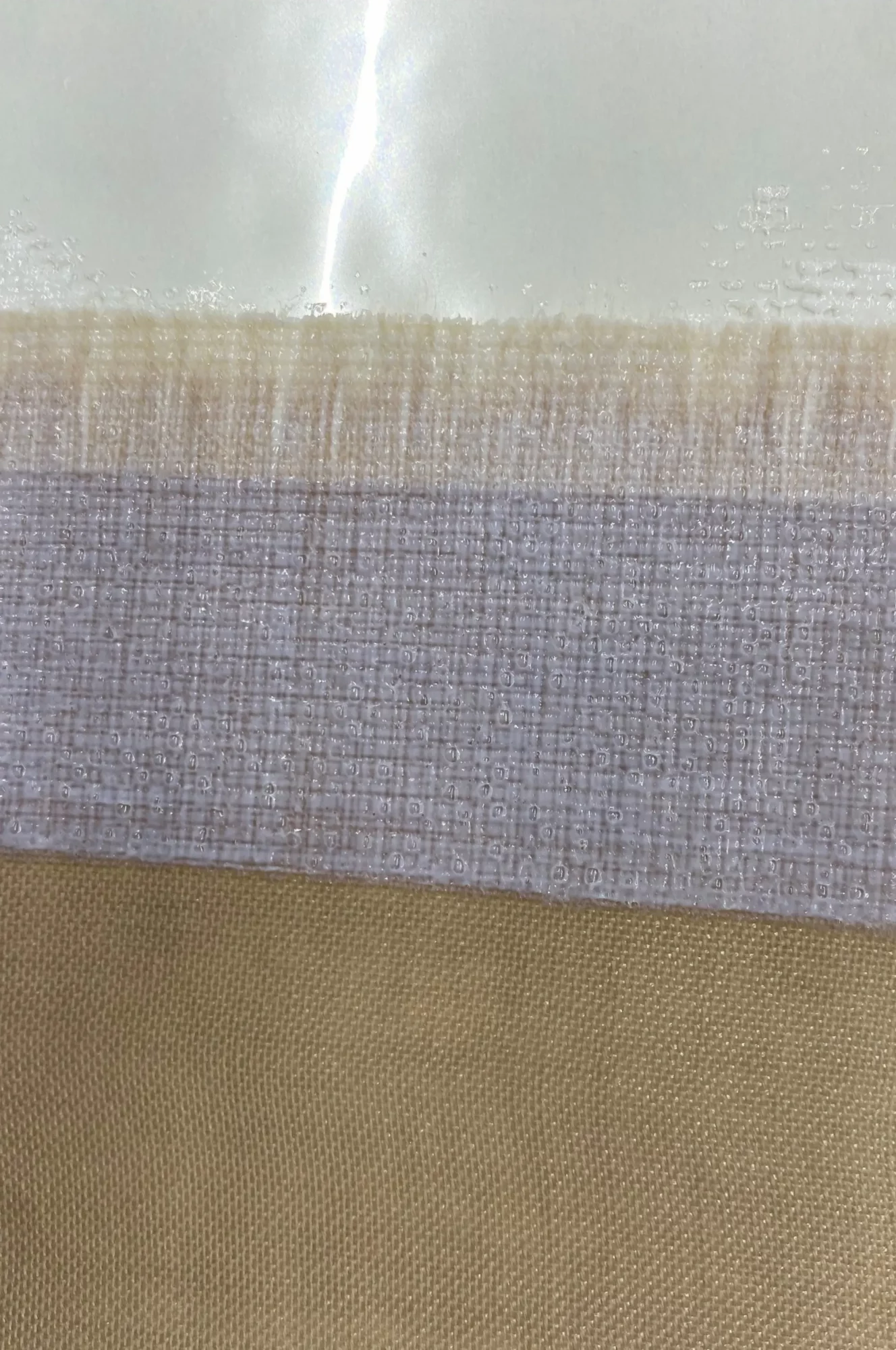
The painting is currently being fitted with a new strip-lining using a thinner fabric that is more compatible with the original canvas. The nap-bonding technique is being employed, in which the adhesive is applied as an open network rather than a continuous film, limiting its penetration into the canvas fibres. This method provides the necessary structural support while reducing the risk of future distortions, which is particularly important given that the fibres are already saturated with residues of the previous adhesive.
With the structural treatment nearing completion, the restoration is entering its final phase. Attention will now shift to the treatment of the painted surface, including the retouching of paint losses and the aesthetic integration of the restoration. Once the work has been completed, the final result will be shared on our website and in our newsletter.