Garden of Delights – The Seventeenth Century in Bloom
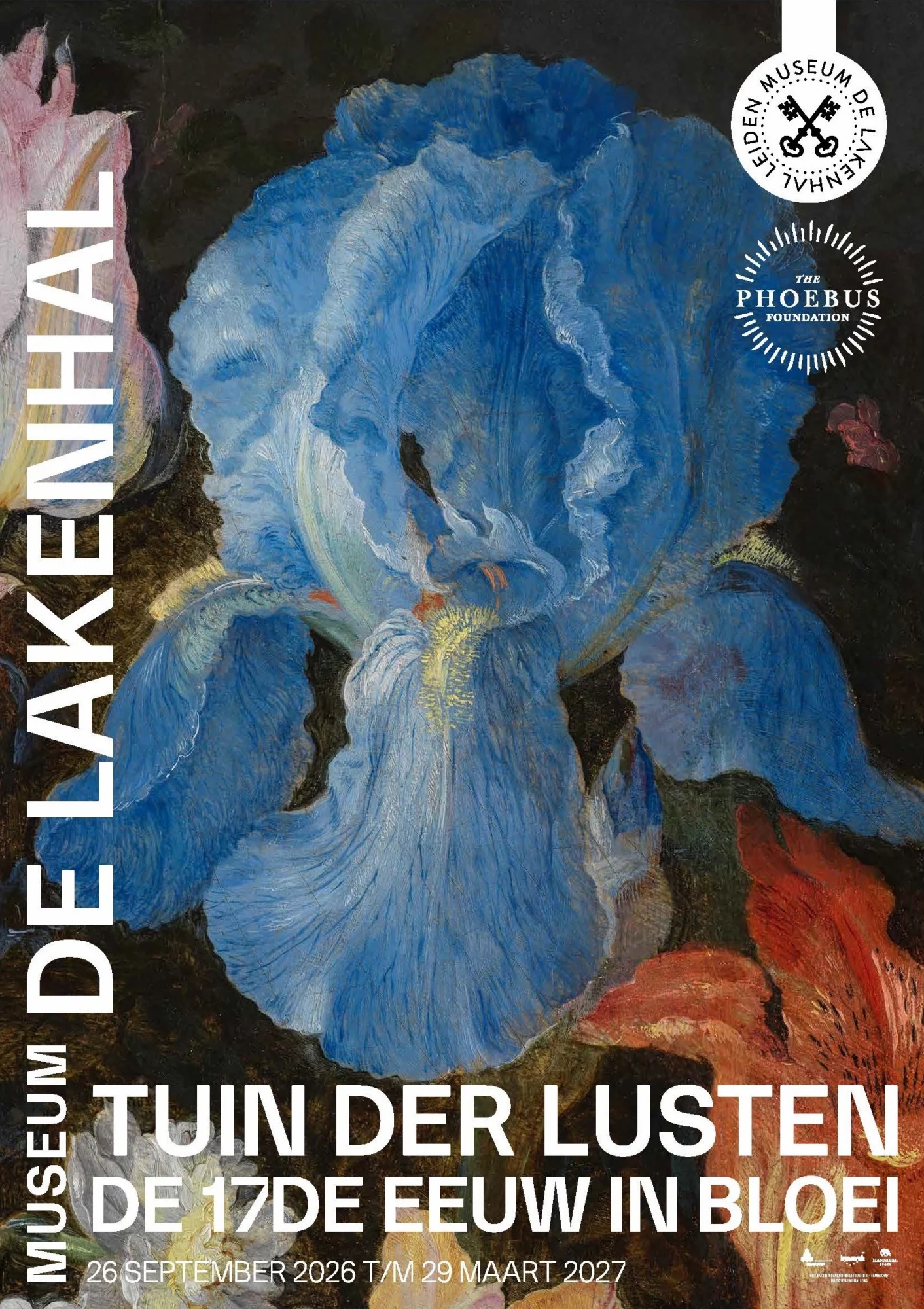
From 26 September 2026 to 29 March 2027, The Phoebus Foundation presents Garden of Delights – The Seventeenth Century in Bloom at Museum De Lakenhal, an exhibition exploring a period when flowers became far more than simply a popular artistic subject. They stood at the crossroads of art and science, global trade and collecting, reflecting a society that observed, documented and admired the natural world with remarkable curiosity.
As Antwerp, Amsterdam and Bruges grow into international centres of trade and learning, new plants from Asia, Africa and the Americas arrive in the Low Countries. They find their way into botanical gardens and cabinets of curiosities, are studied by scholars, and immortalised by artists with extraordinary precision. Flowers become commodities and status symbols, scientific specimens and religious metaphors. Behind every bouquet lies a story of wealth, ambition, faith, and the ever-changing relationship between people and nature.
With an exceptional selection of paintings, prints, drawings, natural history specimens and works of art, Garden of Delights immerses visitors in the visual culture of the seventeenth century. Each object offers a different perspective on the period’s fascination with nature, revealing how beauty, knowledge and discovery became closely intertwined.
Old Masters and contemporary fashion
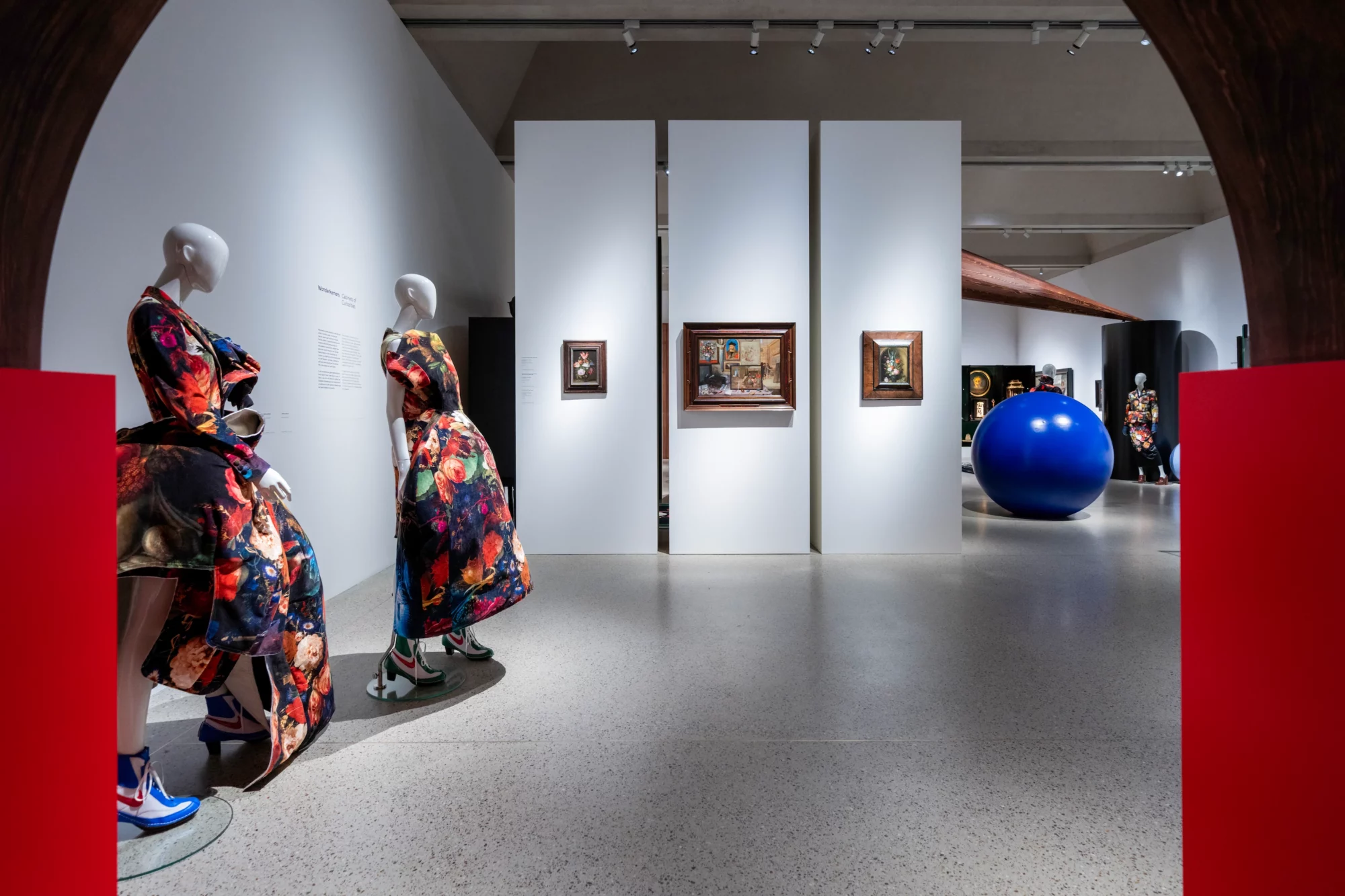
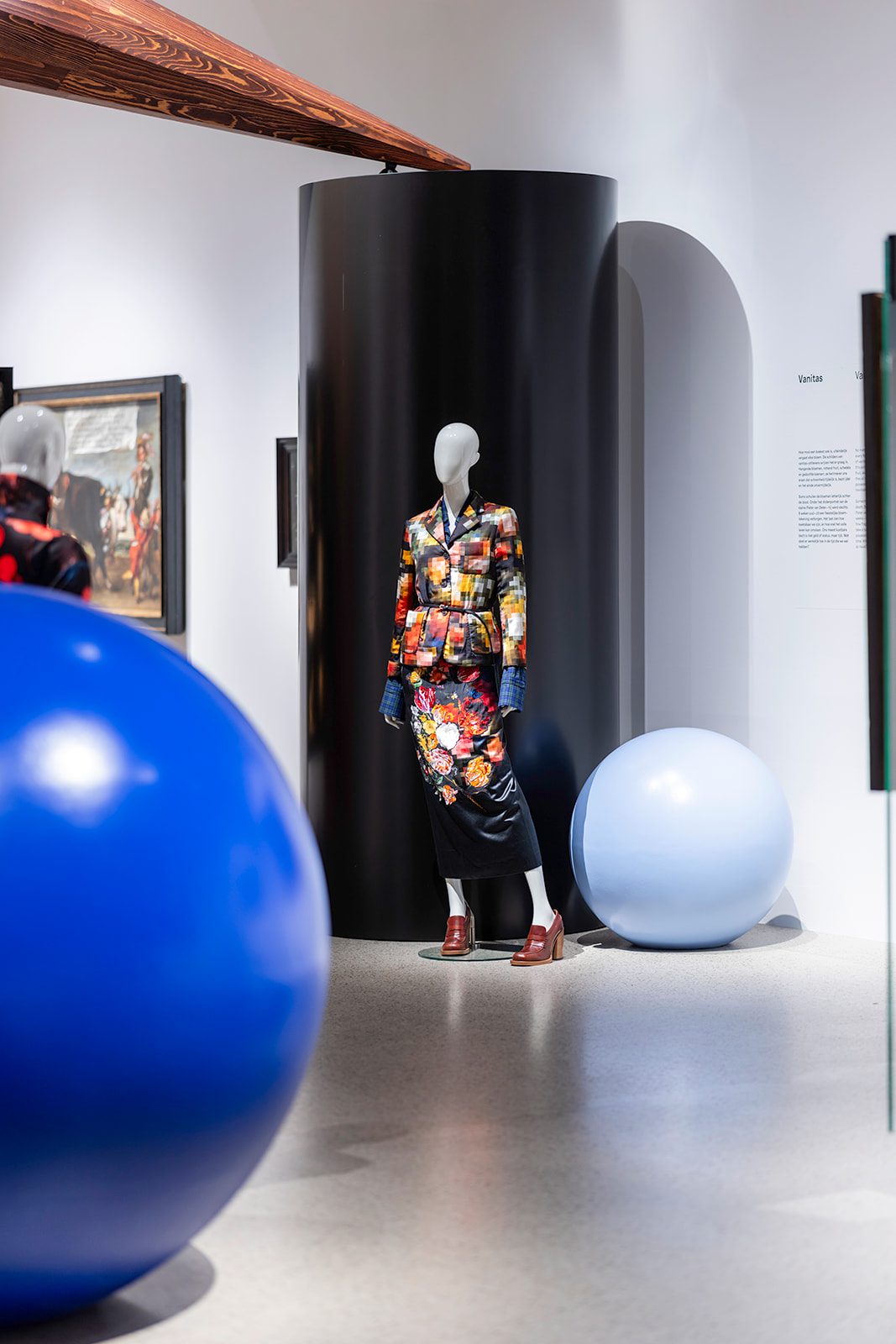
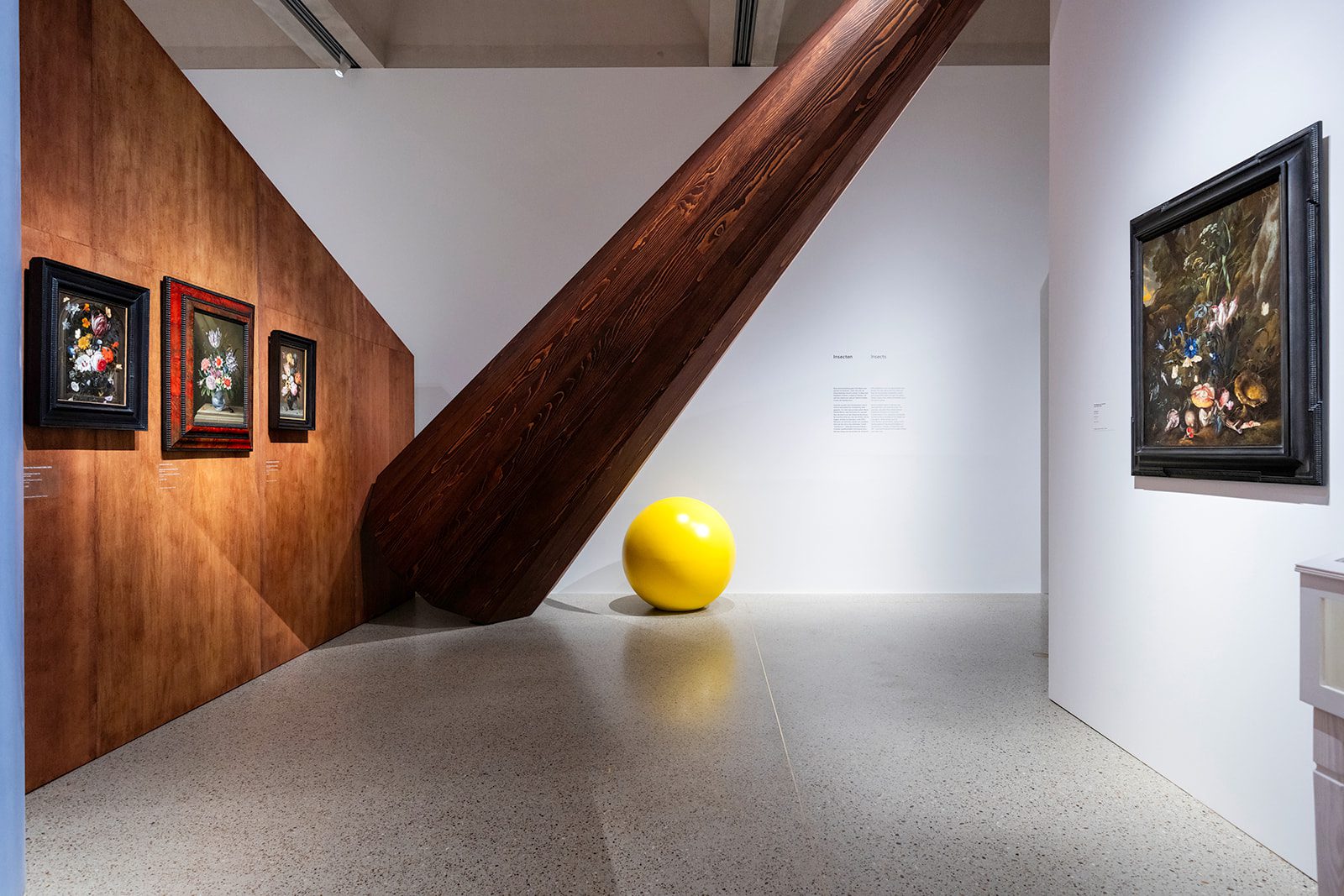
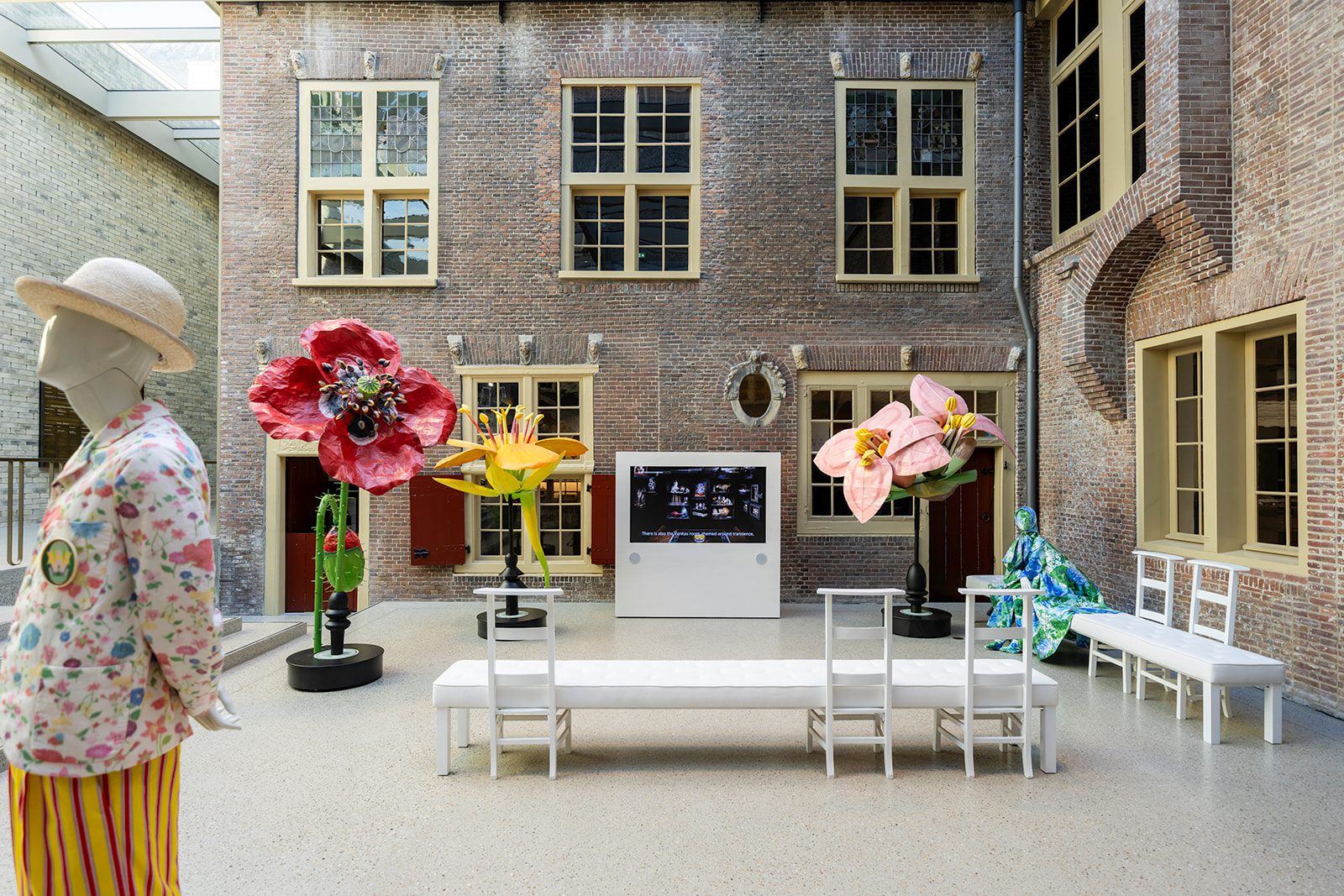
The striking scenography by celebrated fashion designer Walter Van Beirendonck places this historical visual world in a distinctly contemporary setting. Through bold forms, colour and scale, he gives the exhibition a rhythm of its own, with art, nature and fashion constantly playing off one another. Within this theatrical setting, floral fashion creations by COMME des GARÇONS, Richard Quinn, Dries Van Noten, Dirk Van Saene, Viktor&Rolf and Walter Van Beirendonck himself take centre stage.
Scent and sound also form part of the scenography, adding further depth to the experience. In this way, Garden of Delights unfolds as a layered, immersive whole, where old masters and contemporary creations enter into unexpected dialogue.
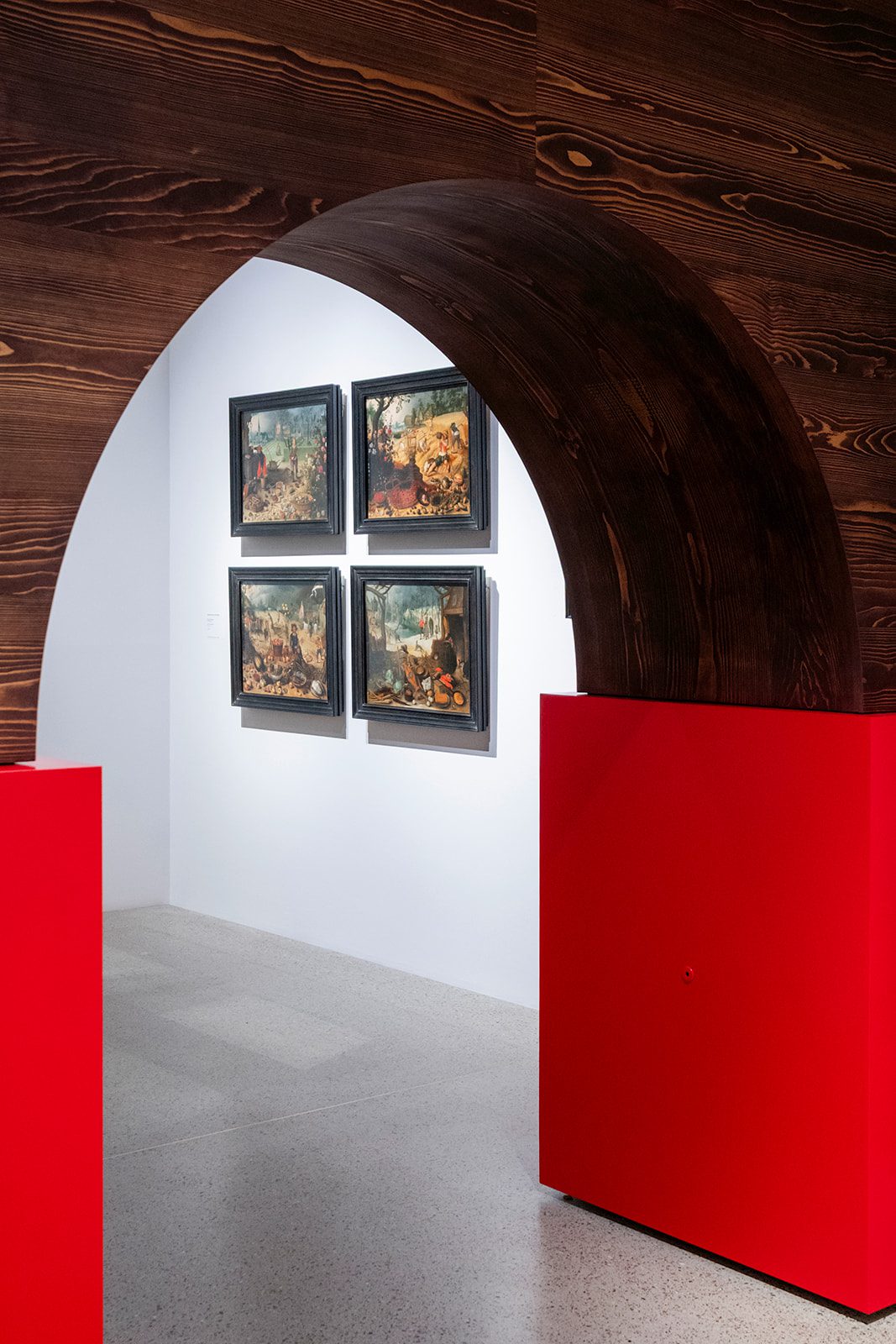
In Tallinn, Garden of Delights came to life in an exuberant palace; in Leiden, it finds itself in a much more restrained space. That called for a new energy and a different approach. We scaled up the scenography and made it more monumental, with expressive wooden walls and enormous spheres of colour. The flowers almost become characters in their own right, while the contemporary floral fashion clashes wonderfully with the Old Masters. That’s what I love: beauty doesn’t have to behave. It can be big, loud and completely unexpected.
— Walter Van Beirendonck
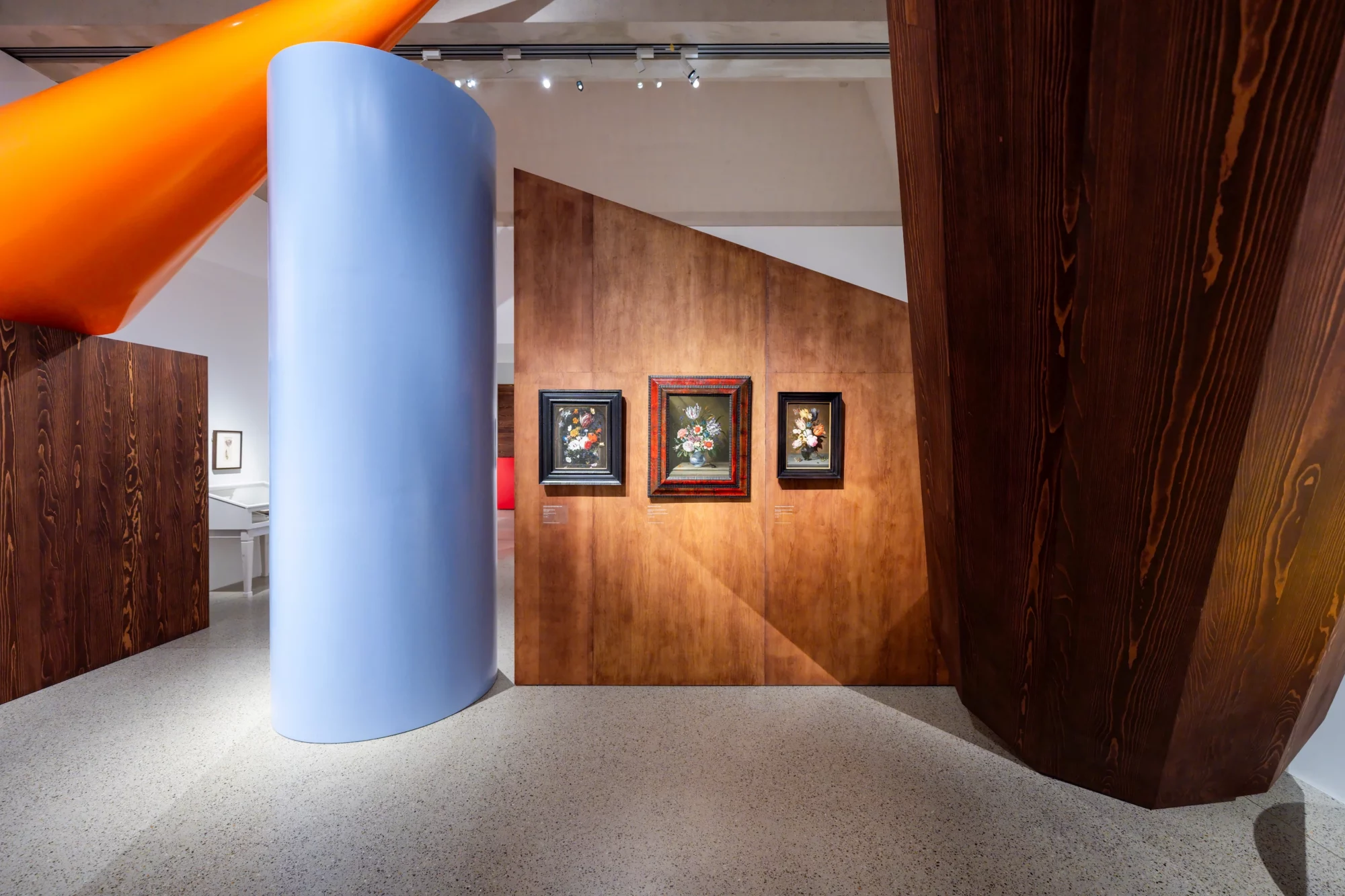
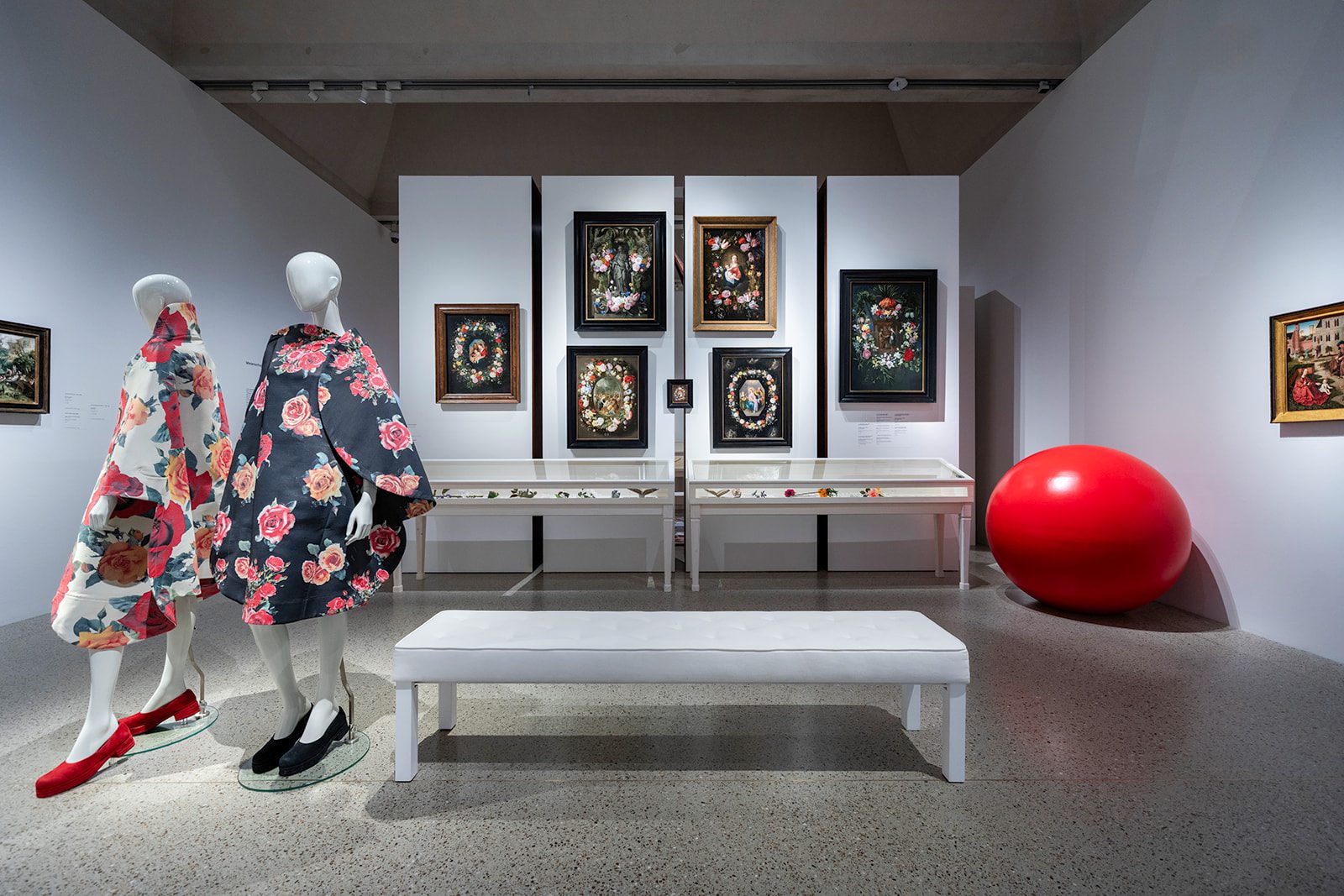
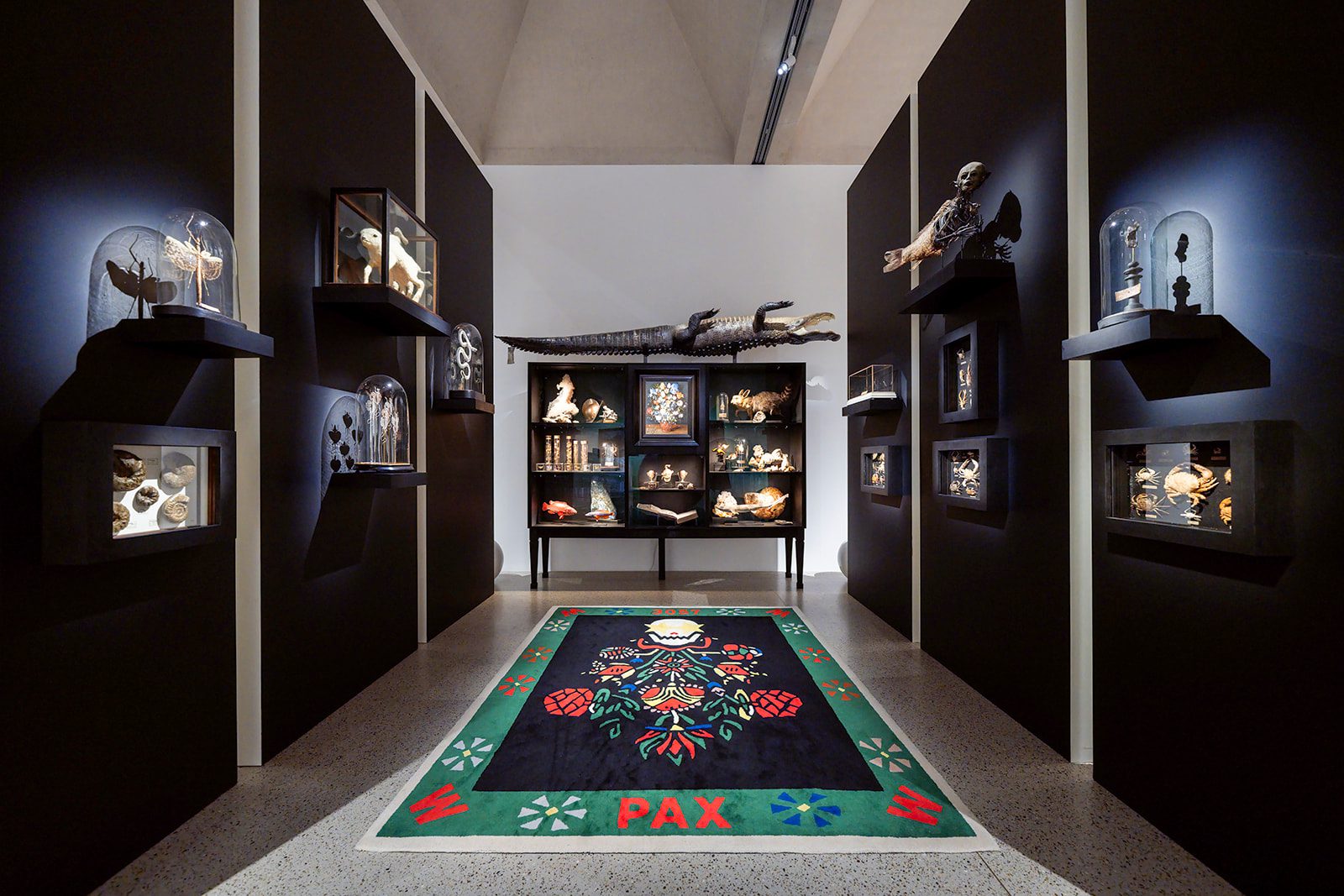
One of the exhibition’s highlights is the wonder room, inspired by the sixteenth-century cabinets of curiosities in which collectors gathered the world in miniature, both to study it and to show it off. Natural history specimens, curious objects and even a real alligator bring that fascination vividly back to life. Elsewhere in the exhibition, wealthy citizens compete for the finest garden, lovers pluck their flowers, and fading bouquets serve as a reminder that even the greatest beauty is fleeting.
I used to think flower still lifes were rather well-behaved. Beautifully painted, certainly, but how many vases can one person take? Then I started looking more closely. Suddenly, these seemingly proper compositions were about so much more: knowledge and power, status and prestige, love and death. Every vase, every painted petal turns out to be a mirror of life itself. In this exhibition, visitors are taken on a sensory journey into the past, filled with scent, colour and temptation.
— Dr Katharina Van Cauteren, curator of the exhibition and Executive Director of The Phoebus Foundation
Publication
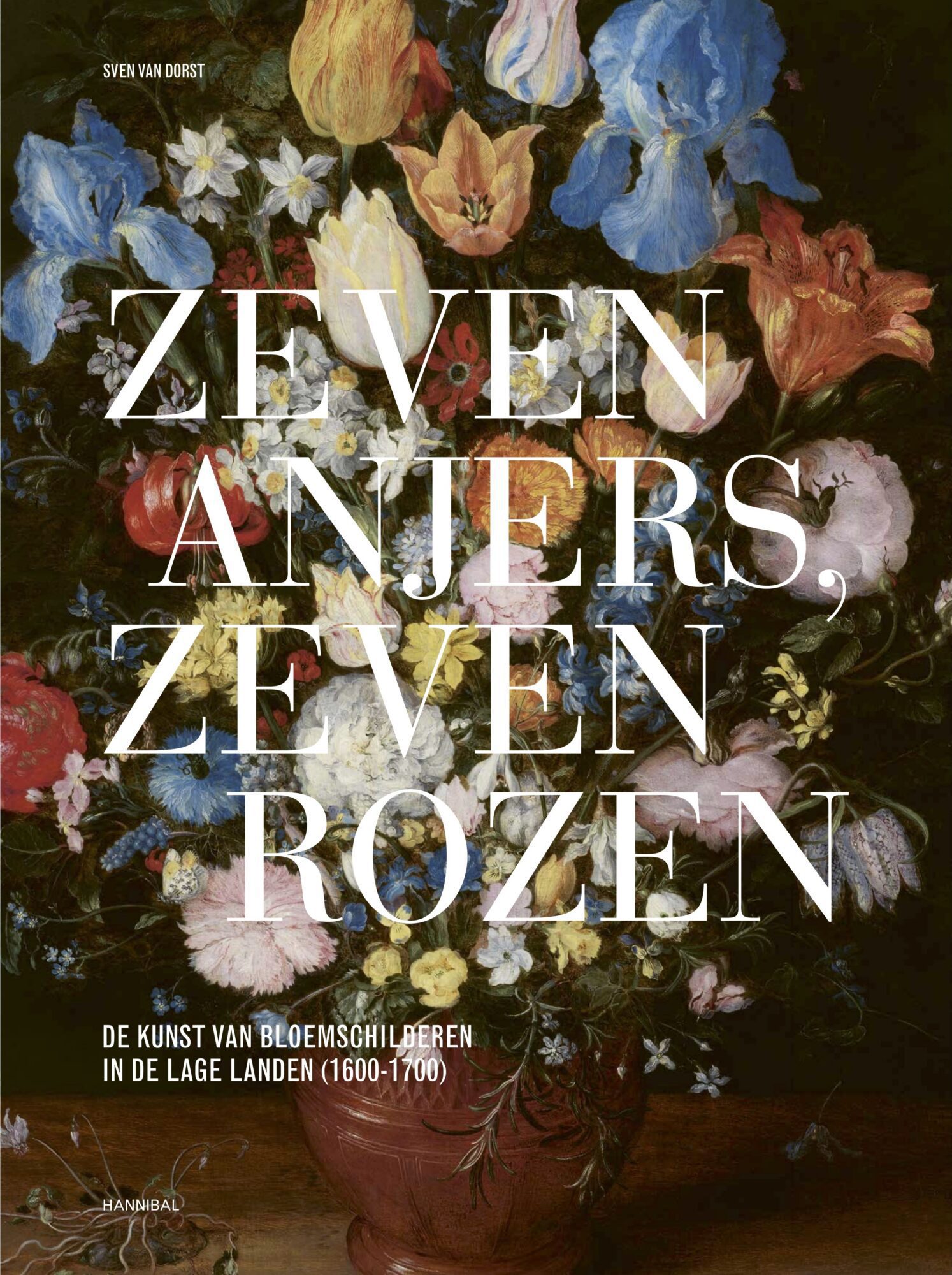
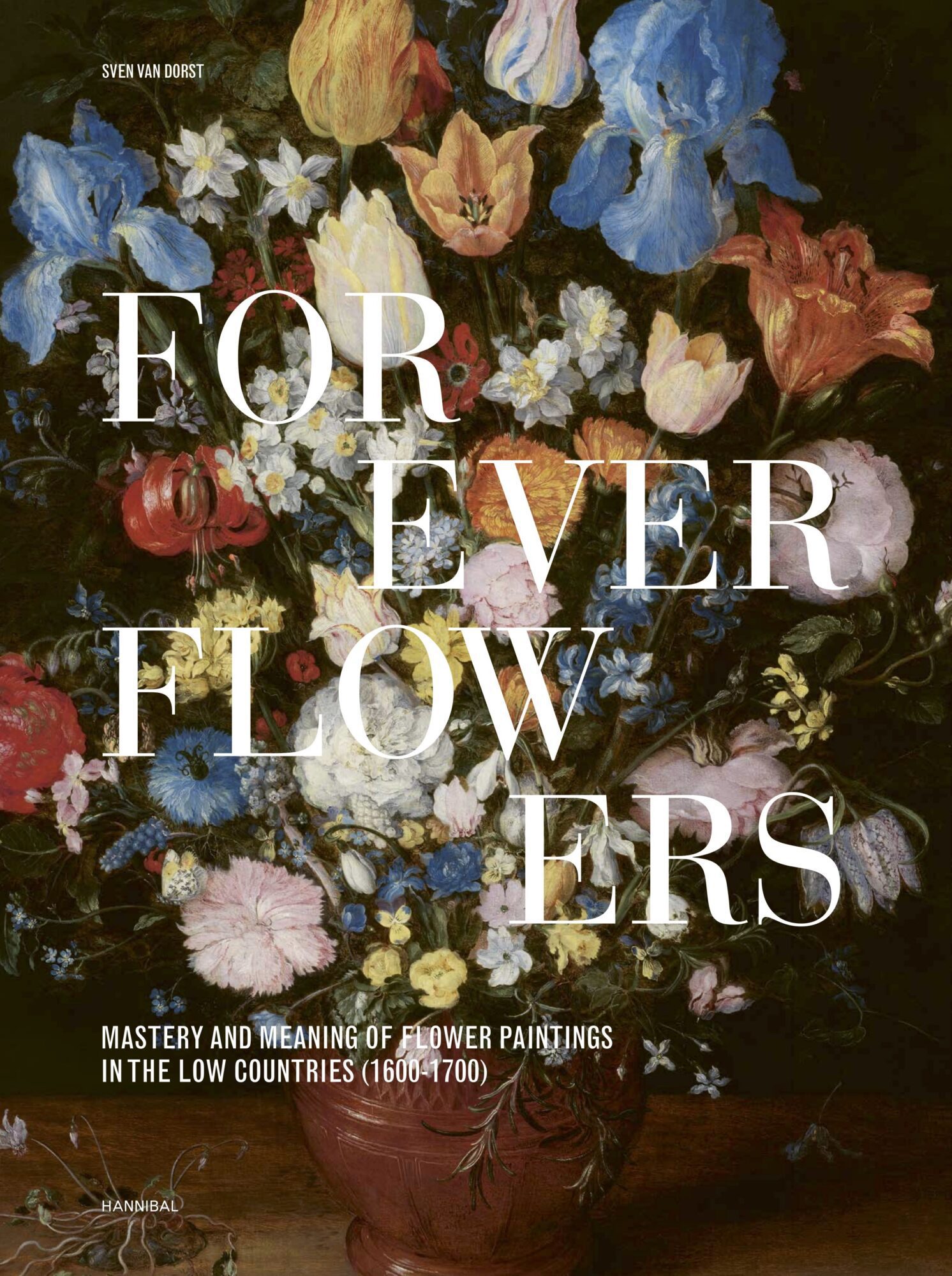
Garden of Delights is the result of years of art-historical and technical study. Under the direction of Sven Van Dorst, Head of the Conservation Studio at The Phoebus Foundation, numerous flower still lifes were examined using scans and microscopy. This revealed how artists built up their compositions layer by layer and observed nature with remarkable precision.
The findings from this work have been brought together in Forever Flowers – Mastery and Meaning of Flower Paintings in the Low Countries (1600-1700). In this richly illustrated publication, Sven Van Dorst takes the reader beyond the surface of the flower still life, with close attention to technique, materials and detail. Exceptional close-up images and a rich selection of works reveal the knowledge, craftsmanship and acute observation that lie behind these seemingly tranquil bouquets.
Forever Flowers – Mastery and Meaning of Flower Paintings in the Low Countries (1600-1700) is available at the museum shop, through The Phoebus Foundation’s online shop, and via Hannibal Books, in both Dutch and English.
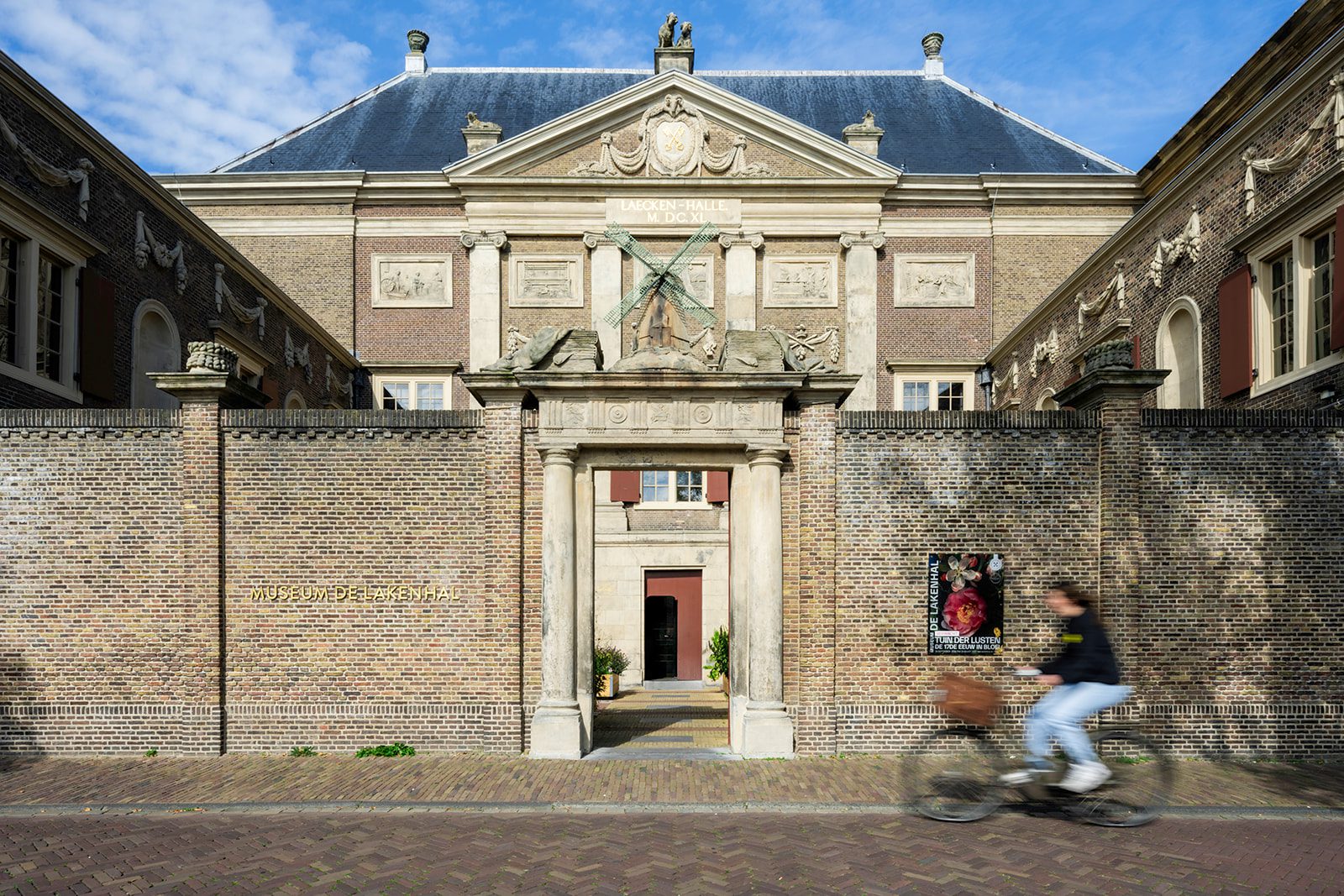
Museum De Lakenhal
Museum De Lakenhal is Leiden’s museum of art and history in the Netherlands. Housed in the city’s former cloth hall, a building dating from 1640, its collection includes highlights by Old Masters such as Lucas van Leyden, Rembrandt van Rijn and Jan Steen, alongside works by modern and contemporary artists including Theo van Doesburg, Claudy Jongstra and Erwin Olaf. Leiden’s rich history is also explored through collection presentations such as The Siege and Relief of Leiden (1574) and Seven Centuries of Leiden Cloth.
Design and creative contributions
Scenography: Walter Van Beirendonck Floral design: Rosalinde Heerkens Brendel flowers: Tina Schott (Collectors Gallery) Clay figures: Dirk Van Saene Carpets: Atelier Leda Fashion: COMME des GARÇONS, Richard Quinn, Walter Van Beirendonck, Dries Van Noten, Dirk Van Saene and Viktor&Rolf Mannequins: Hans Boodt Mannequins Scent experience: Juliette Karaguezoglou (IFF) Soundscape: Hantrax (Studio Palermo) Graphic design: Paul Boudens Photography and video: FRISVisuals
Production
Practical information
Exhibition: Garden of Delights – The Seventeenth Century in Bloom
Publication: Seven Carnations, Seven Roses. The Art of Flower Painting in the Low Countries (1600–1700)
Location: Museum De Lakenhal, Oude Singel 32, 2312 RA Leiden, the Netherlands
Dates: 26 September 2026 to 29 March 2027
Opening hours: Tuesday to Sunday, 10.00–17.00
Tickets: www.lakenhal.nl