Wonders of the World: From Maps to Masterpieces
How do you capture the richness of the world around you? In the early modern Low Countries, maps, painted bouquets, animal studies and cabinets of curiosities expressed a fascination with nature, informed by knowledge, belief and imagination.
Wonders of the World: From Maps to Masterpieces brings works from The Phoebus Foundation collection to The National Museum – Sultanate of Oman. Four themes explore the connections between art, nature and scholarship, from the charting of land and sky to the treasures of the sea, the intricacies of flowers and the collecting of remarkable objects. Together, they reveal how close observation and creative invention could enrich one another.
Mapping the World
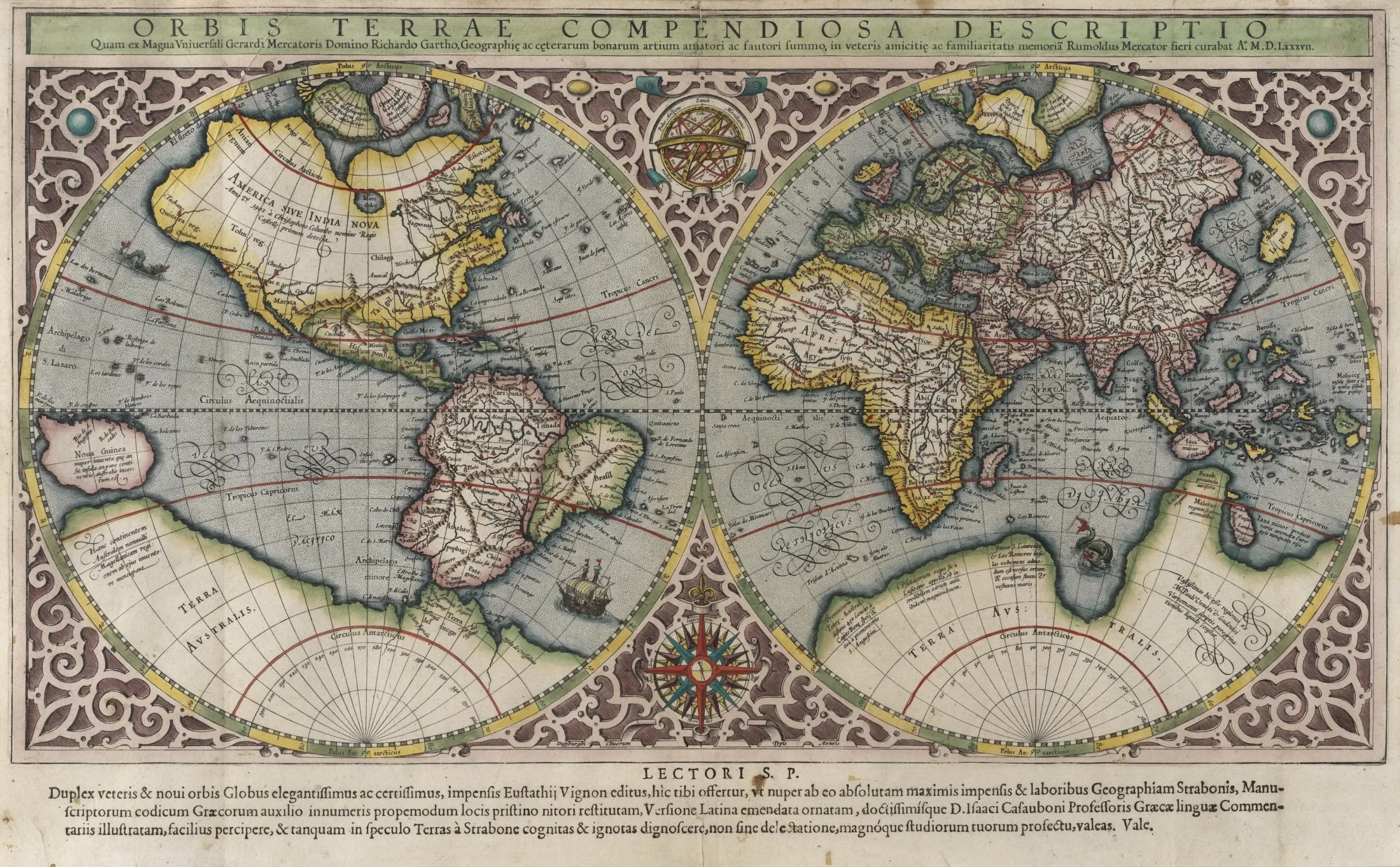
In the sixteenth and seventeenth centuries, the Low Countries became an important centre of cartography. Maps, atlases and globes brought together geographical and astronomical knowledge, representing the earth and sky for study. Landscape painters composed sweeping views of rivers, mountains and settlements, gathering a vast world into a single image.
Treasures of the Sea
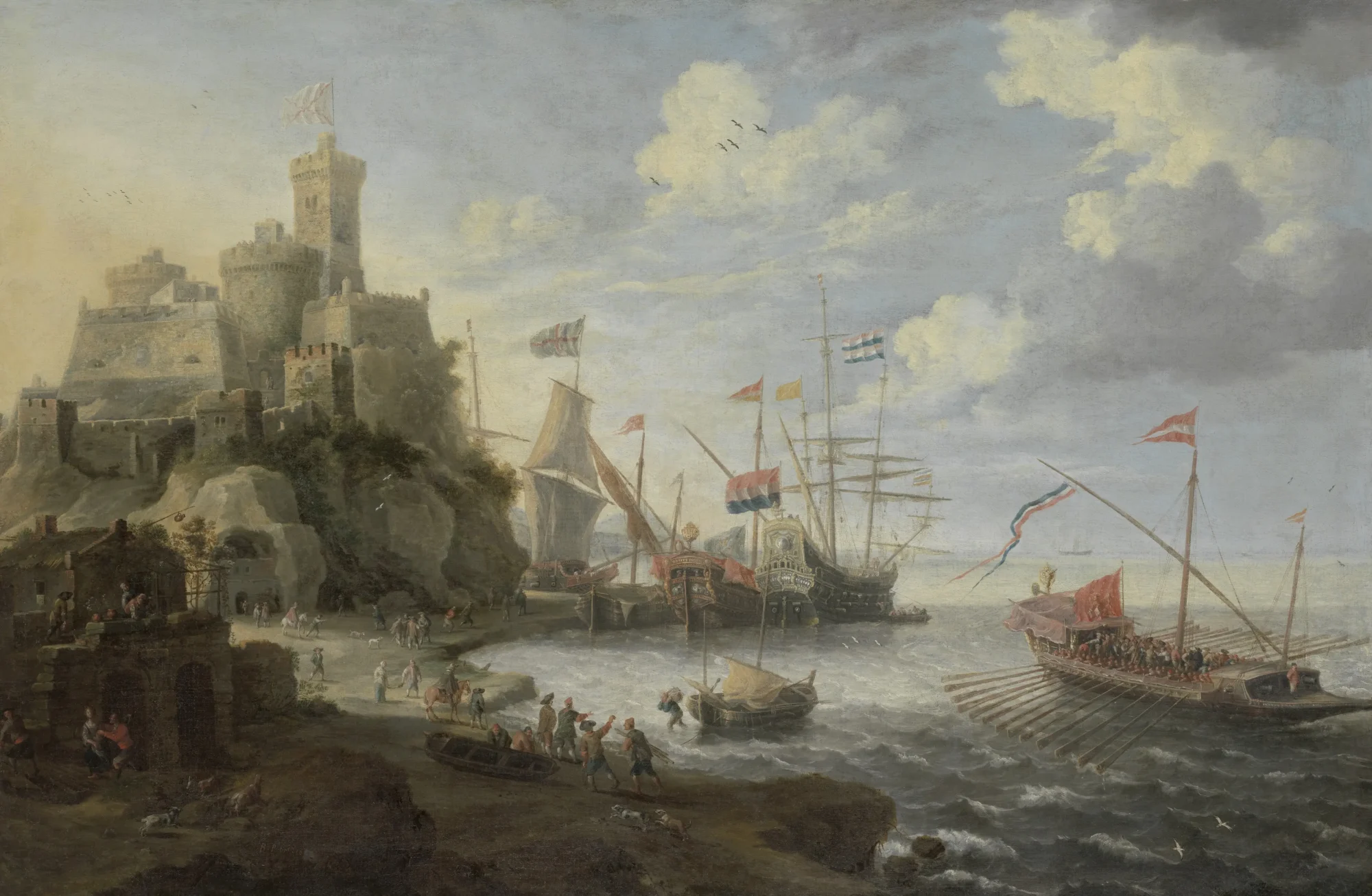
Coastal charts and harbour scenes reflect the sea’s importance to navigation and trade. Paintings of fish and shellfish show its abundance, while portraits adorned with pearls and still lifes featuring precious shells reveal how marine materials became signs of wealth and refinement.
The Poetry of Flowers
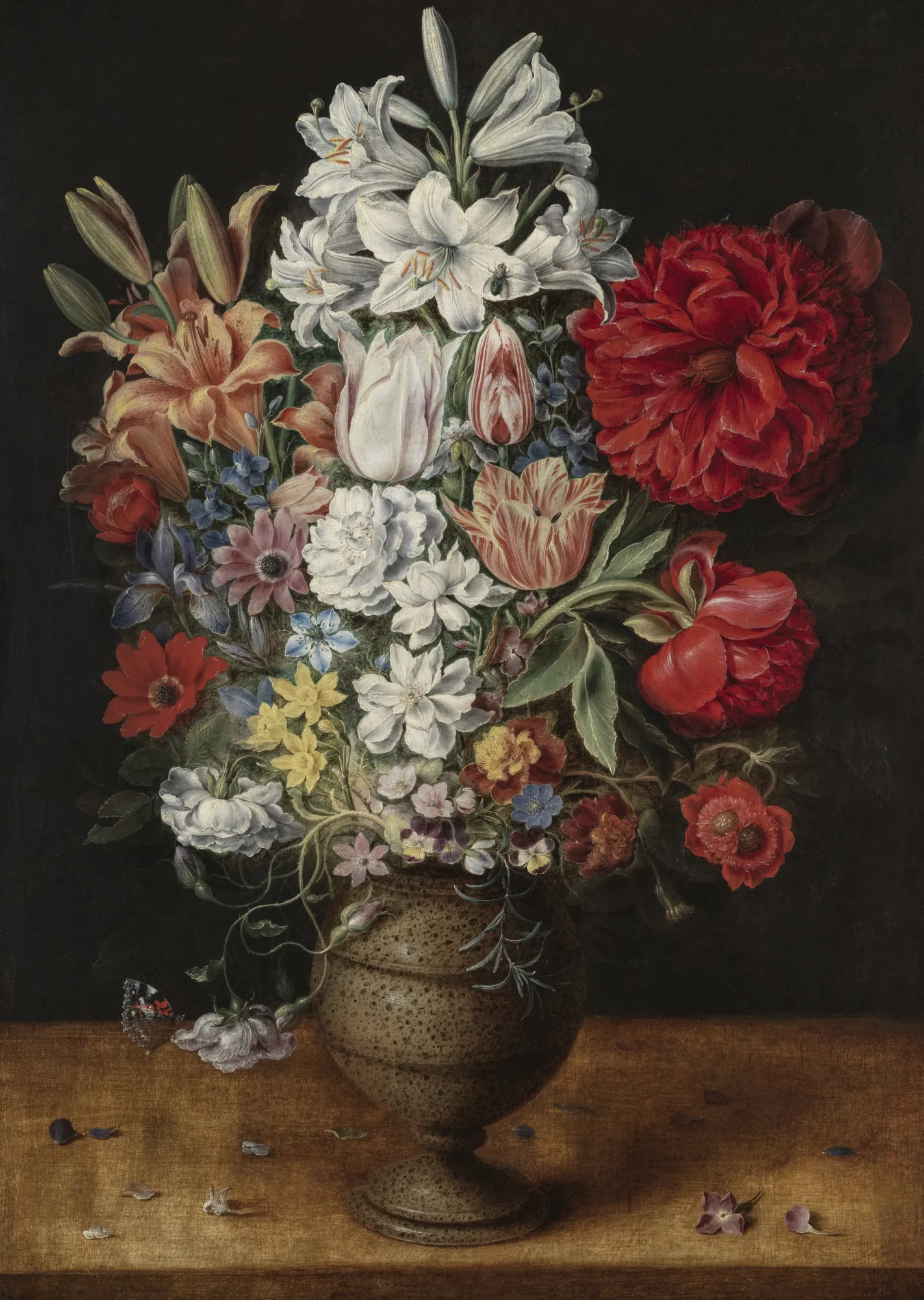
A painted bouquet could bring together flowers that bloomed months apart. Artists combined close observation with carefully composed arrangements, preserving fragile blooms in paint. Botanical books and floral tapestries extend this fascination with plants, showing how their forms were studied, recorded and transformed into ornament.
The Art of Wonder
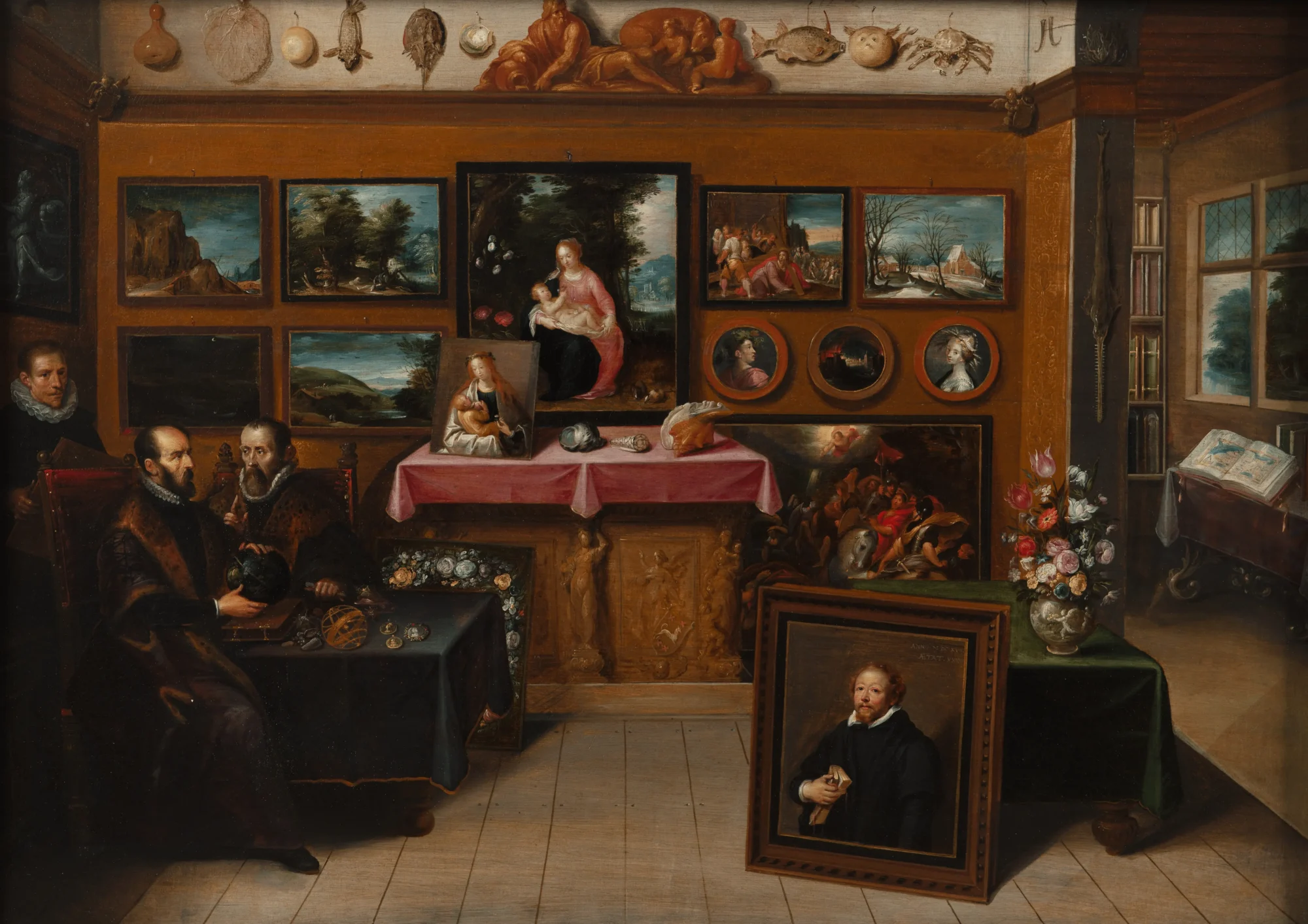
Cabinets of curiosity brought together works of art, natural rarities and scientific instruments, reflecting their owners’ interests, knowledge and taste. Paintings of collectors’ rooms and objects prized for their materials or craftsmanship offer a glimpse into this culture of collecting, where the wonders of nature were admired alongside the achievements of human skill.
Where art, nature and knowledge meet, the familiar becomes extraordinary, and the world reveals itself as something we can never quite finish looking at.
Wonders of the World: From Maps to Masterpieces runs until 3 March 2027 at The National Museum – Sultanate of Oman in Muscat.