Travel Notes from Peru
Paintings conservator Carlos González Juste travelled to Peru on behalf of The Phoebus Foundation for an international symposium on heritage conservation. Visits to museums, conservation studios, Baroque churches and private collections in Lima, Cusco and the surrounding area offered a closer look at local collections and the work of his Peruvian colleagues.
The symposium took place in Cusco on 30 September and 1 October 2026. Organised by IQONO, it brought together specialists, researchers and students from South America and Europe to share ideas on innovation, sustainability and training, with a particular focus on Andean heritage. Carlos was one of the guest speakers. José Luis Quispe and Leslye Calderón Mirano also put together a programme of workshops and visits to accompany the event.
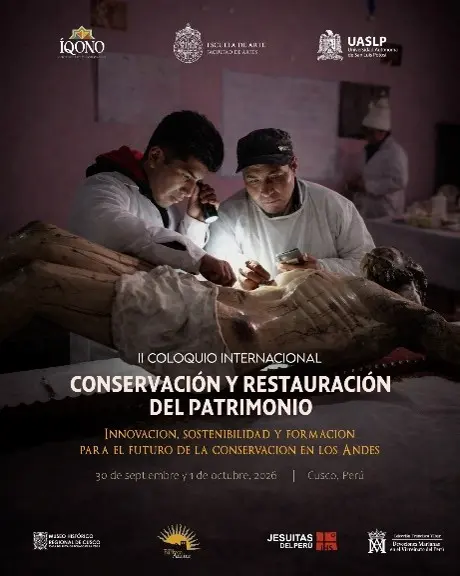
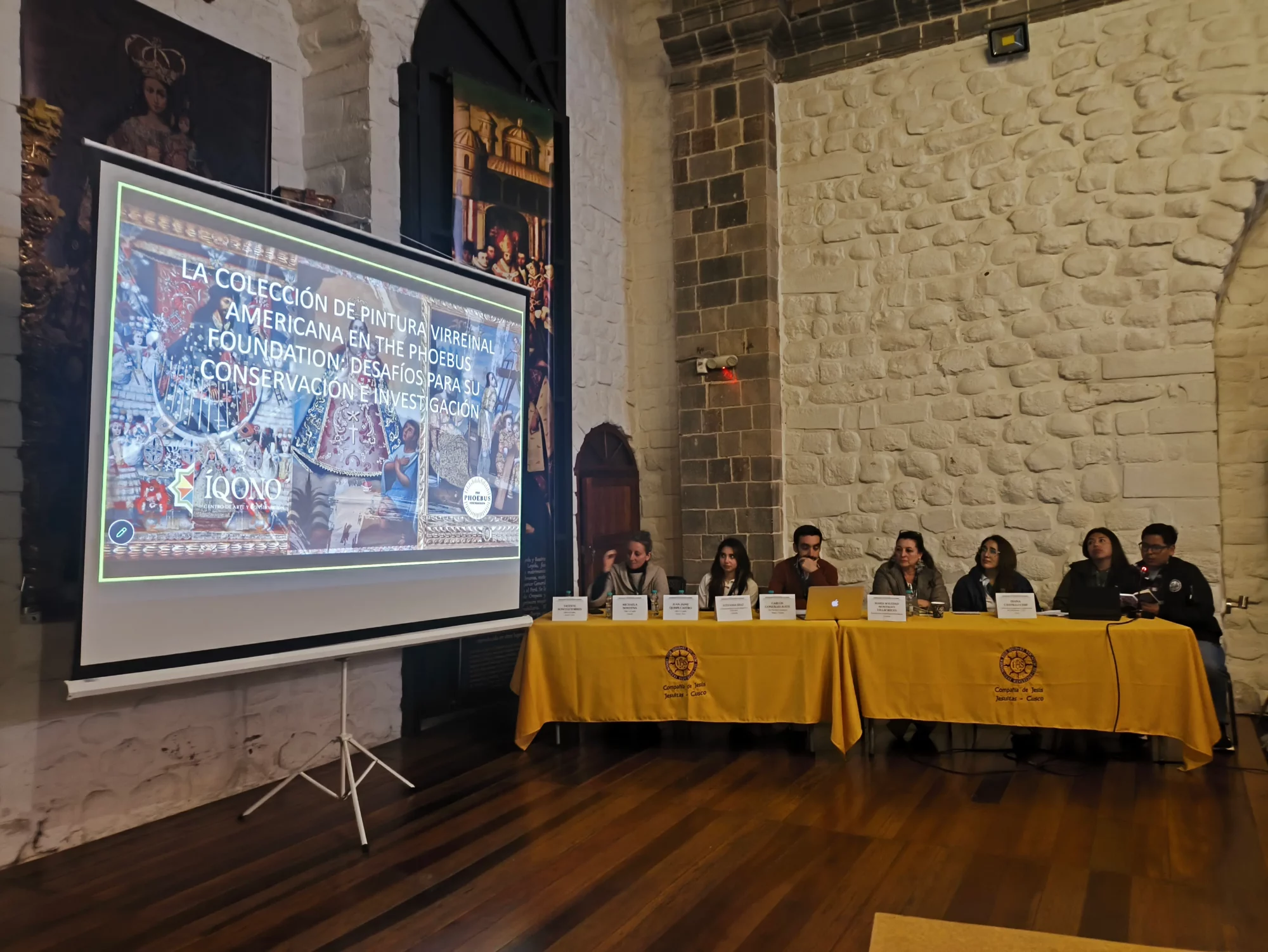
From Lectures to the Workbench
Cusco’s Jesuit church hosted the two-day symposium. The first day explored the principles and decisions behind conservation treatments, alongside materials research, technological developments and sustainable approaches to caring for heritage.
The second day was largely devoted to practical workshops. Participants explored cleaning with aqueous solutions, repairing damaged canvases thread by thread and replacing missing sections of polychrome sculpture. The programme also covered interpreting images produced during technical examination.
Participants brought experience from museums, universities, private collections, training institutions and independent conservation studios. This prompted discussions about the decisions conservators make every day and how the resources and techniques available to them shape their approach.
A Visit to the Conservation Studios in Tipón
At the Centro de Restauración de Tipón, the group had a closer look at this day-to-day work. Run by Peru’s Ministry of Culture, the specialist centre conserves paintings, sculptures and ceramics from the region, among other objects.
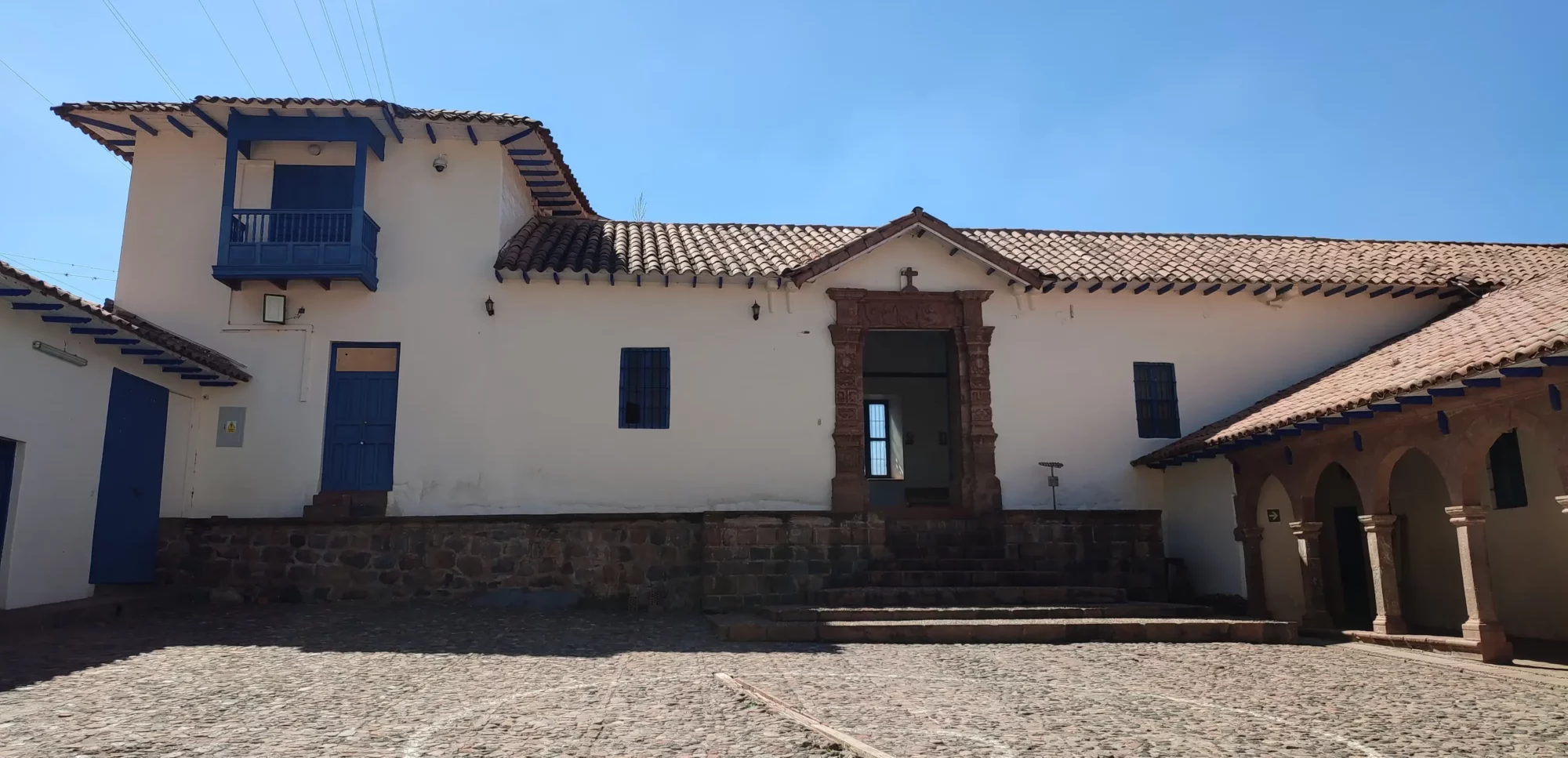
Director Francisco Vargas and Bernardo Ligas Ovalle, coordinator of the paintings conservation studio, guided visitors through the studios and technical departments. Using works undergoing treatment, they explained the challenges their team faces. Around the worktables, they discussed specific treatments and the decisions behind them.
Visiting the Baroque Churches of the Andes
The Ruta del Barroco Andino then took the group to several Baroque churches. Architect, researcher and conservation specialist Diana Castillo Cerf led the visits to the chapel of the Virgen Purificada de Canincunca and the churches of San Juan Bautista de Huaro and San Pedro Apóstol de Andahuaylillas.
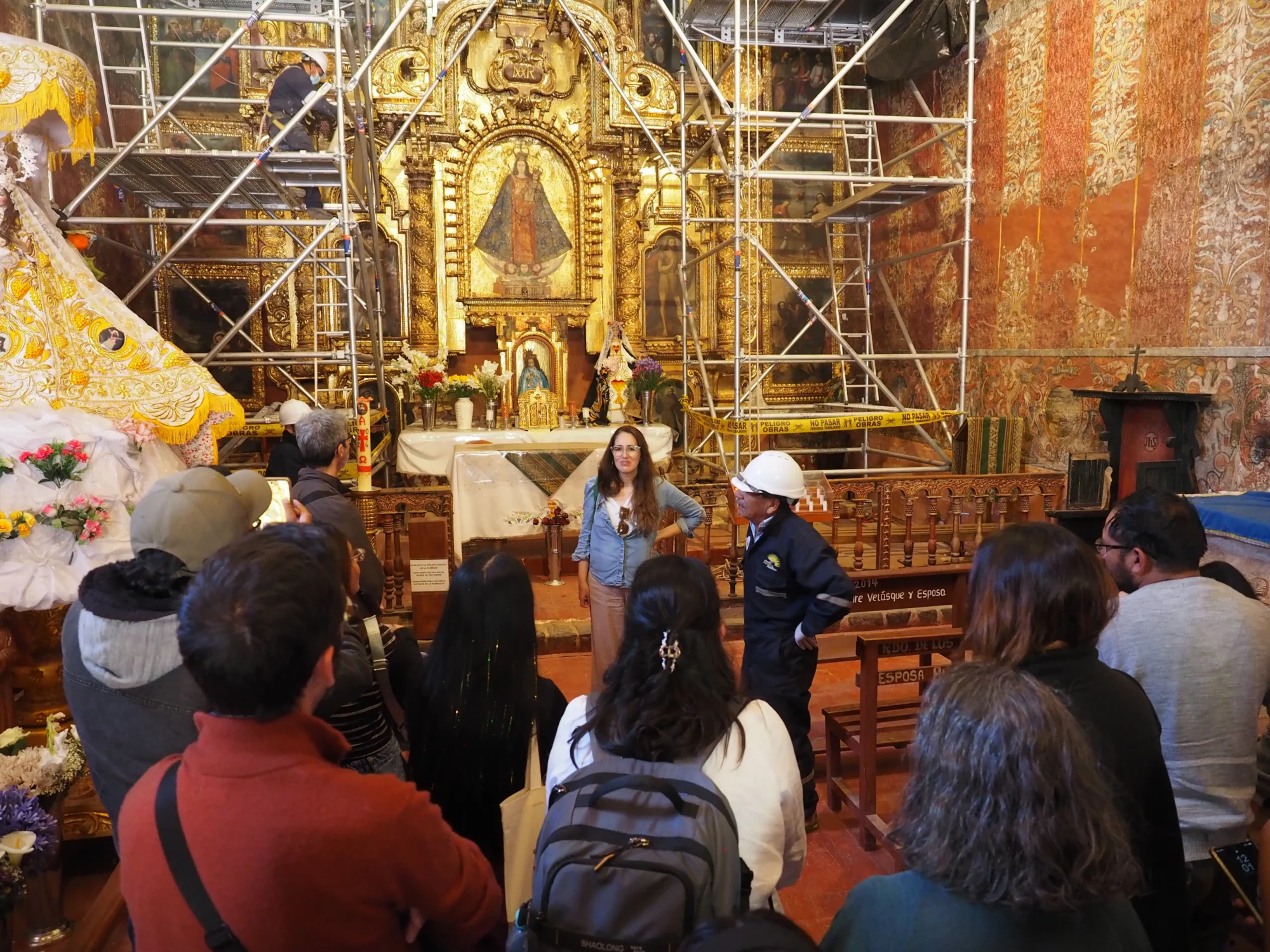
In these richly decorated buildings in the valley south of Cusco, architecture, painting and ornament work together as a whole. The visits also offered a chance to consider how to conserve church interiors that remain closely connected to the religious and social life of local communities.
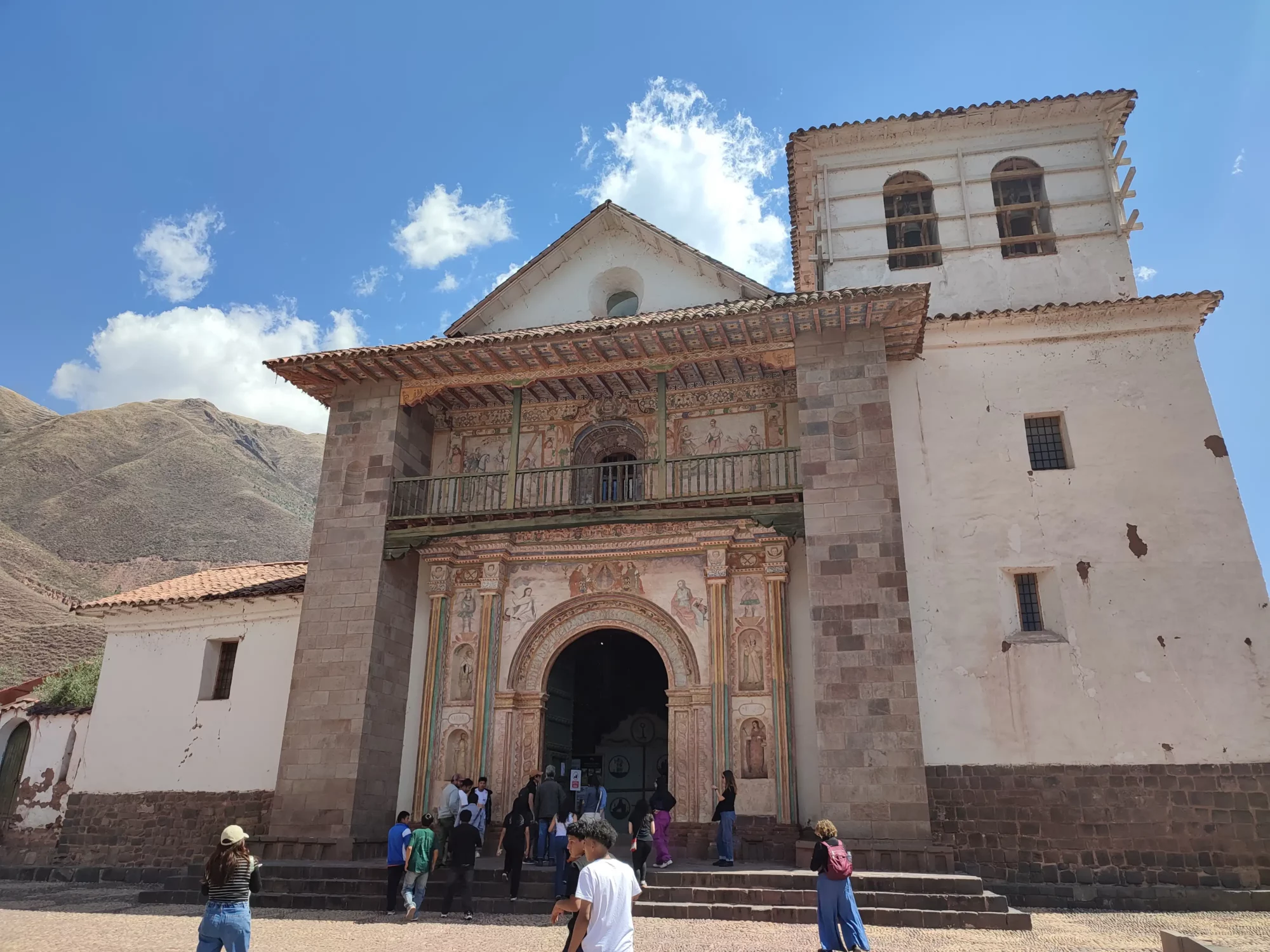
The visitor route also supports local communities. Its income helps fund the upkeep and conservation of the churches, as well as projects that improve living conditions for local people.
Collecting and Preserving
The owners also generously welcomed the group into several private collections. At the Colección Francisco Yabar, the display Devociones Marianas en el Virreinato del Perú explored devotion to the Virgin Mary in the Viceroyalty of Peru. At the museum of Hacienda Huayoccari, Carlos visited José Ignacio Lambarri’s collection.
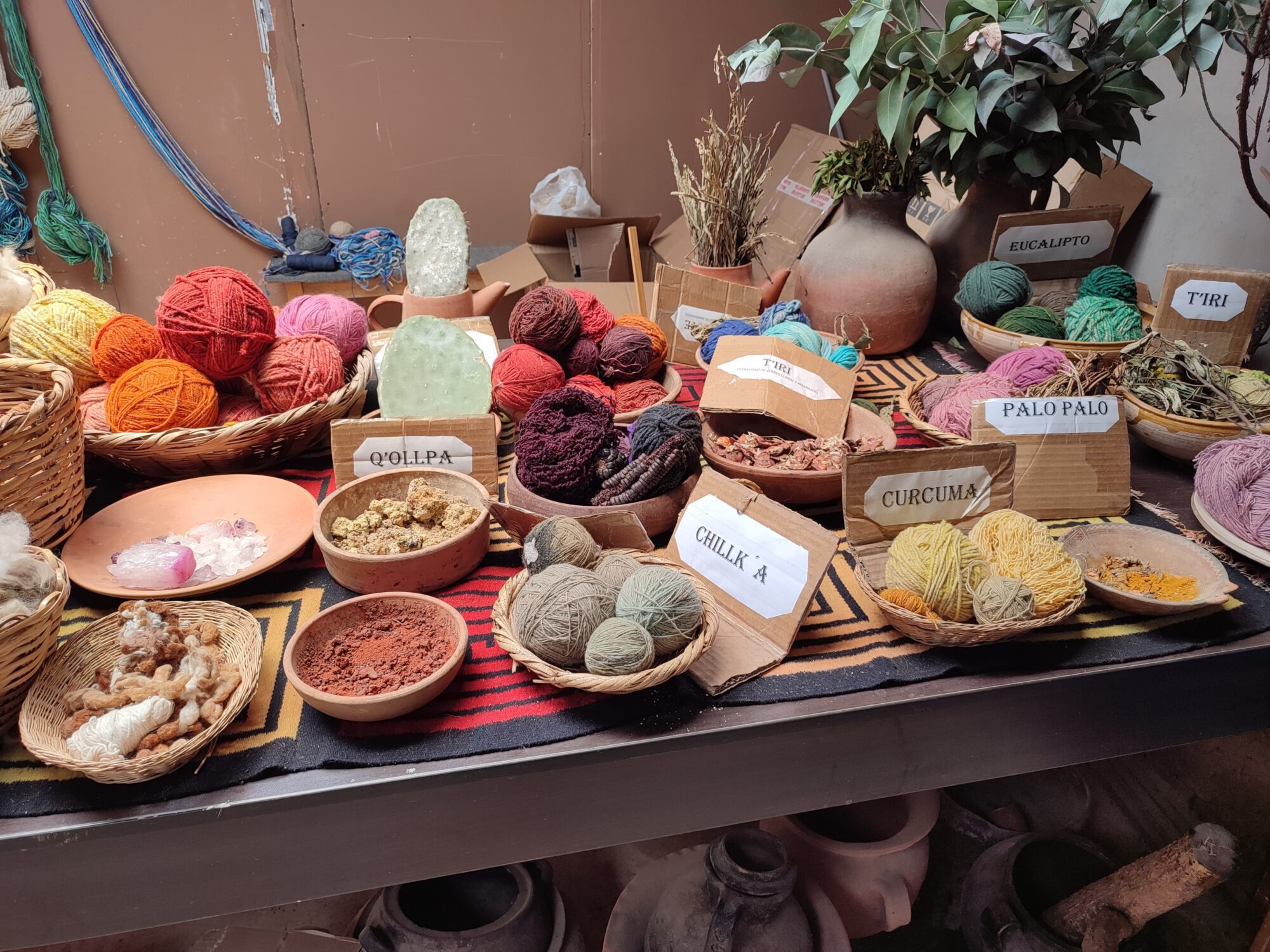
Together with the visit to the Sulca Textile Museum, these encounters offered an insight into collections built up over many years, sometimes across generations. They included colonial art, pre-Hispanic objects and textiles. At the textile museum, there was also a chance to learn about the natural dyes used to colour the fabrics.
Lima: From Historic Collections to Contemporary Art
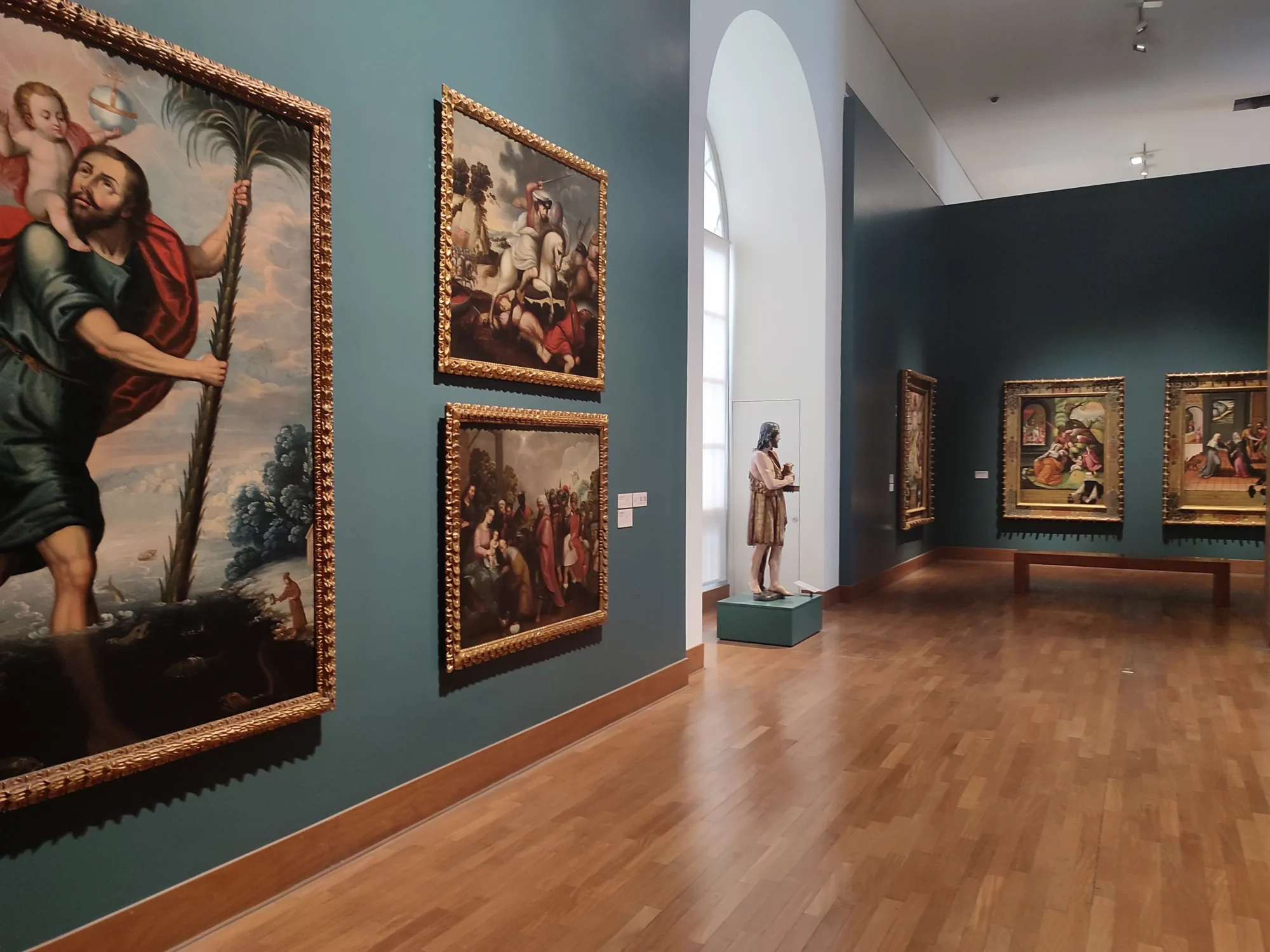
The trip also took Carlos to Lima, on the Pacific coast. The city was a major administrative centre of the Spanish Viceroyalty of Peru. Art from this period can be found in the cathedral, the Museo Pedro de Osma and the Museo de Arte de Lima, all of which Carlos visited during his stay.
At the Museo de Arte de Lima, usually known as MALI, curator and researcher Ricardo Kusunoki led a tour of the colonial art collection. Carlos then visited the conservation studios to see the facilities and learn about current projects. He also spoke with the team about their treatment methods and the particular challenges of caring for the collection.
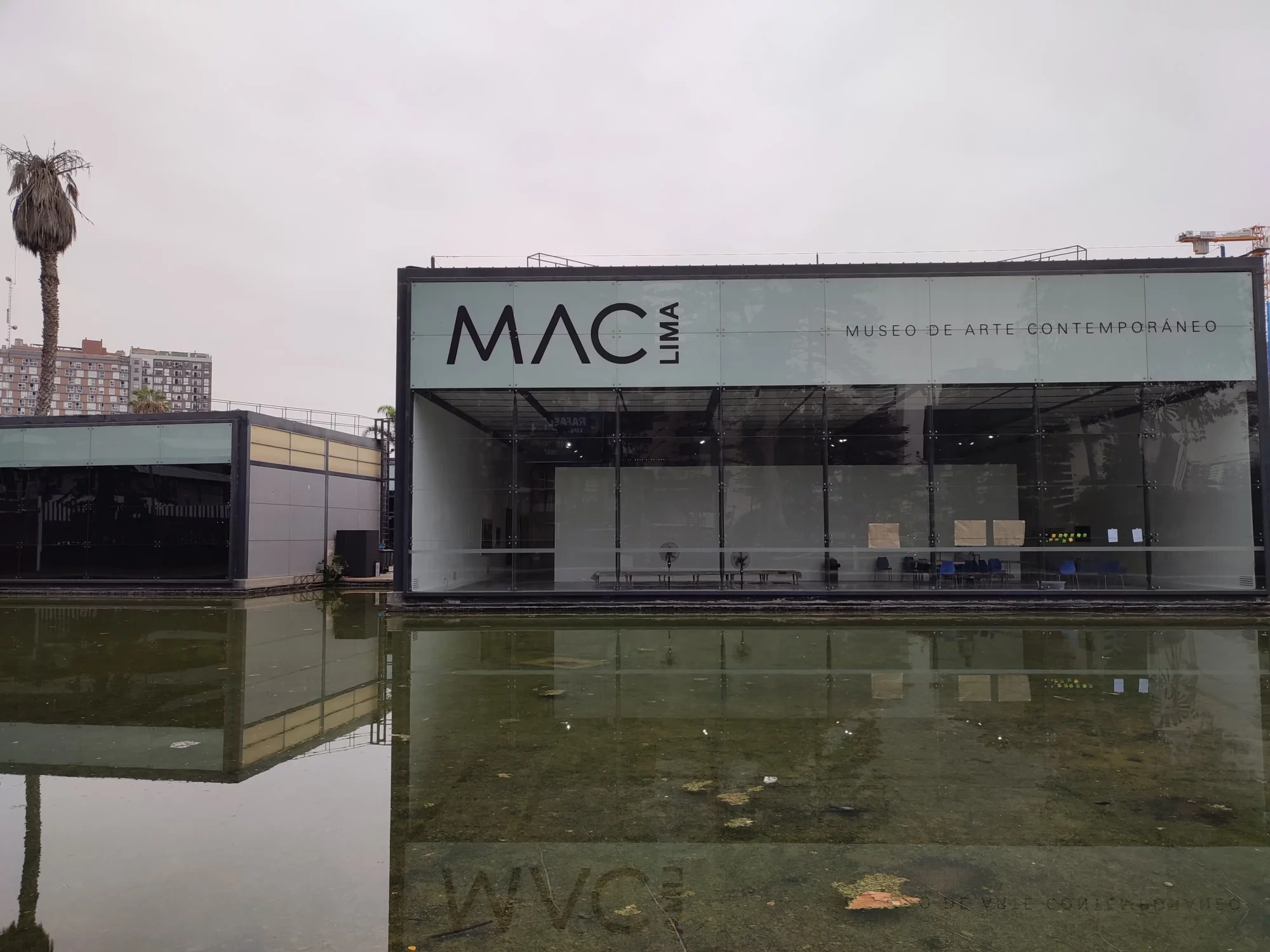
Contemporary art was also on the programme. IQONO organised a separate study day at the Museo de Arte Contemporáneo under the title Conservar el presente. Talks and practical workshops explored the conservation of contemporary art, with a particular focus on works in the museum’s own collection.
Cusco and the Visible Layers of the Past
Cusco offered a very different historical and geographical setting. The former capital of the Inca Empire lies some 3,400 metres above sea level in the Andes. Its cityscape has been shaped by both Inca architecture and buildings from the Spanish colonial period.
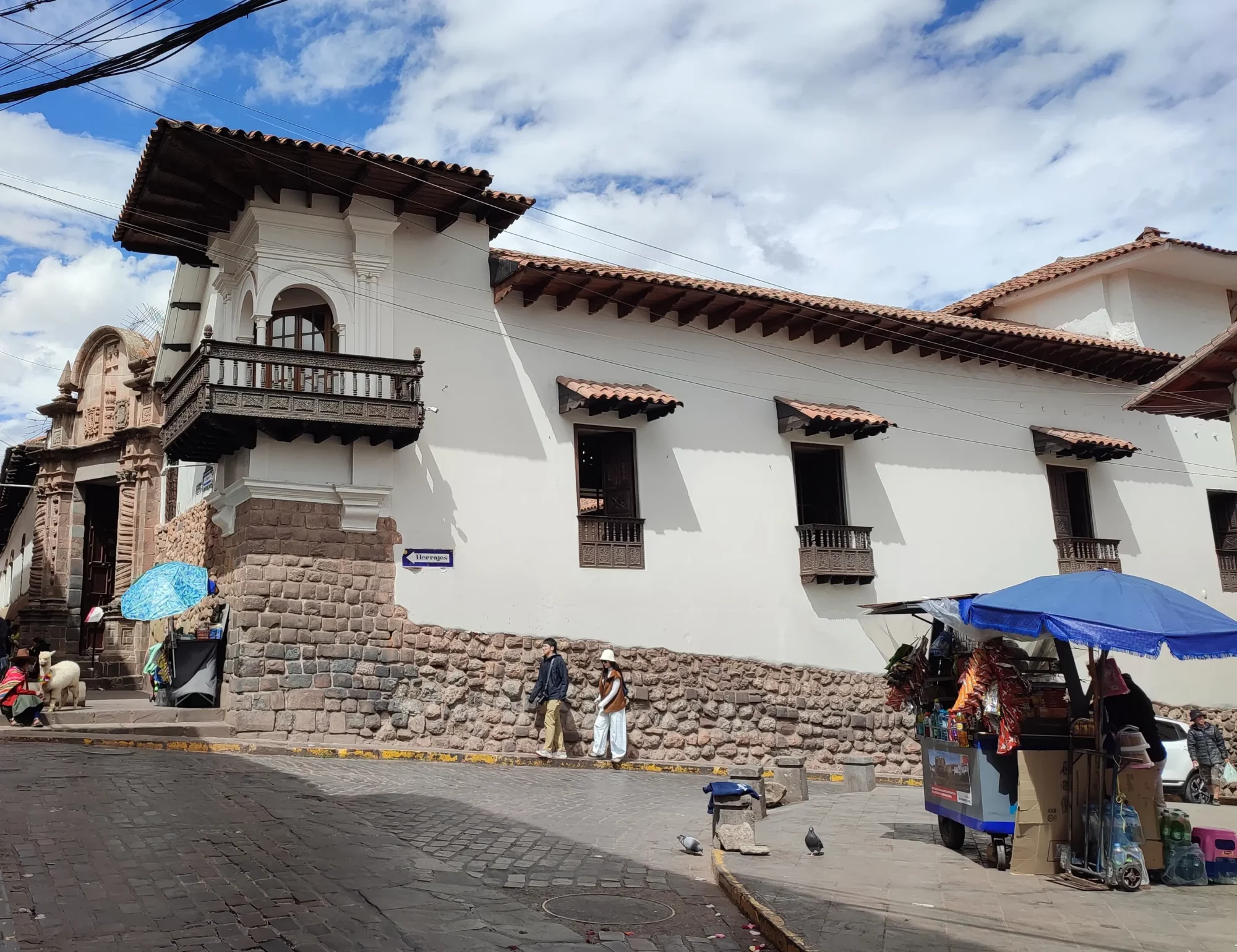
Alongside the Jesuit church, Carlos visited the cathedral, the church of Santa Teresa and the Museum of Religious Art in the Archbishop’s Palace. He also explored the church and convent of Santo Domingo.
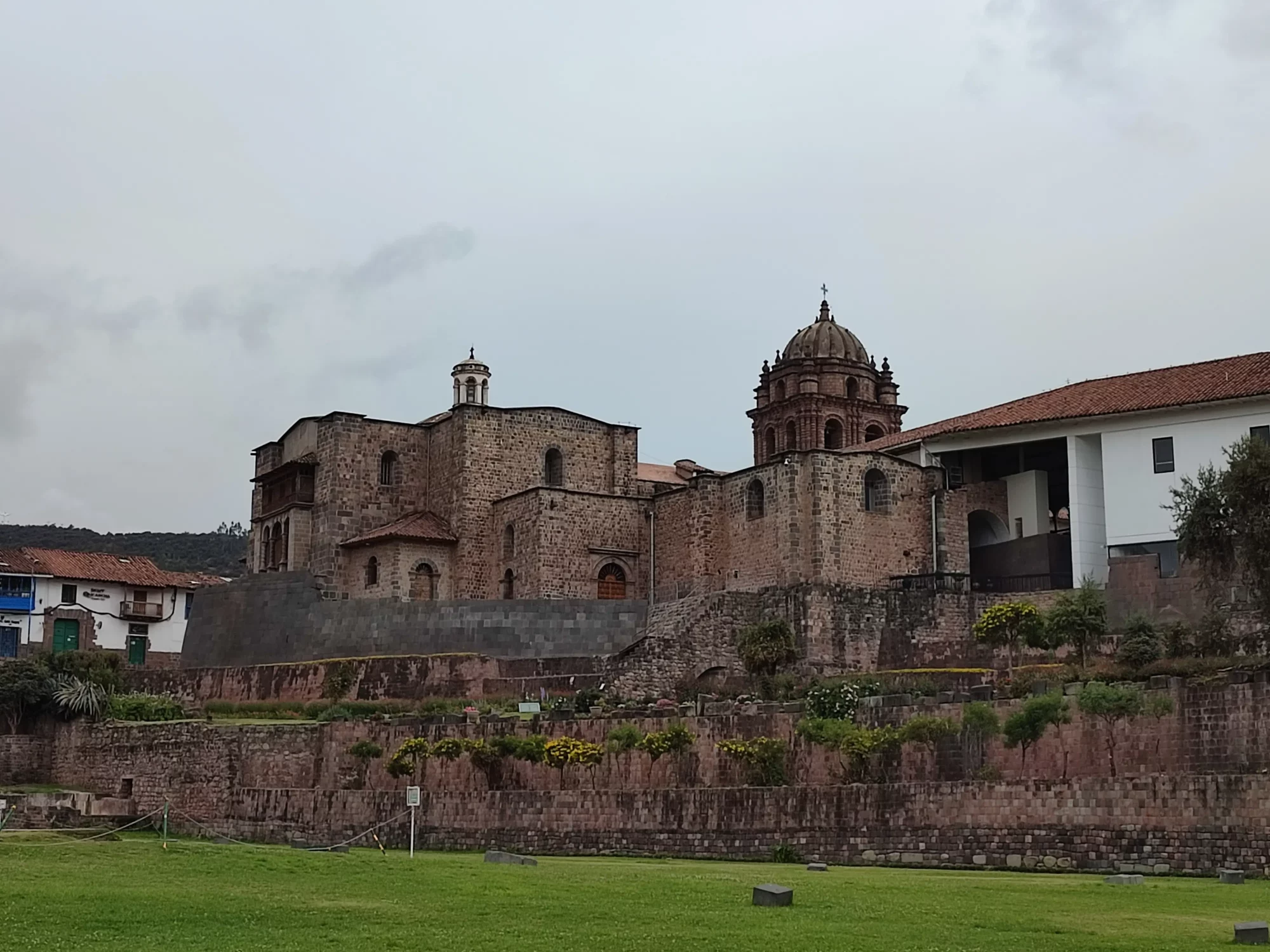
Here, the church and convent were built on the remains of Coricancha, one of the Incas’ most important sanctuaries, dedicated to the sun god. The surviving Inca walls and later convent buildings show just how profoundly the site has changed over the centuries.
Bringing Experience Home
For The Phoebus Foundation, the trip was an opportunity to share its expertise and learn how Peruvian colleagues approach their work. In conservation studios and during collection visits, Carlos discussed treatment methods, materials and the decisions involved in caring for works of art.
This exchange is particularly valuable for The Phoebus Foundation’s Latin American collection. Studying these works in the context of the heritage of their region of origin, and drawing on local expertise, deepens the knowledge needed to research, interpret and care for them.