Baroque Artists' Portraits - The Phoebus Foundation

With Koen Fillet and Leen Kelchtermans, researcher at The Phoebus Foundation

In this episode, we dive into the fascinating world of Baroque self-portraits. Together with Dr Leen Kelchtermans, we discover more about the fascinating dynamic created when artists are both the model and creator of a work of art. Furthermore, we highlight why they immortalise themselves, and where they look for inspiration. A unique look into the artistic masterminds of the past!

Anthony van Dyck, Portrait of the Antwerp Jeweller Johannes Gansacker, c. 1618–1620. Formal portrait of a man dressed in black with a white collar, seated before a red drapery with a distant landscape view, painted in Van Dyck’s elegant and refined portrait style.
Antoon Van Dyck, Portrait of Antwerp Jeweller Johannes Gansackerc.1619-20
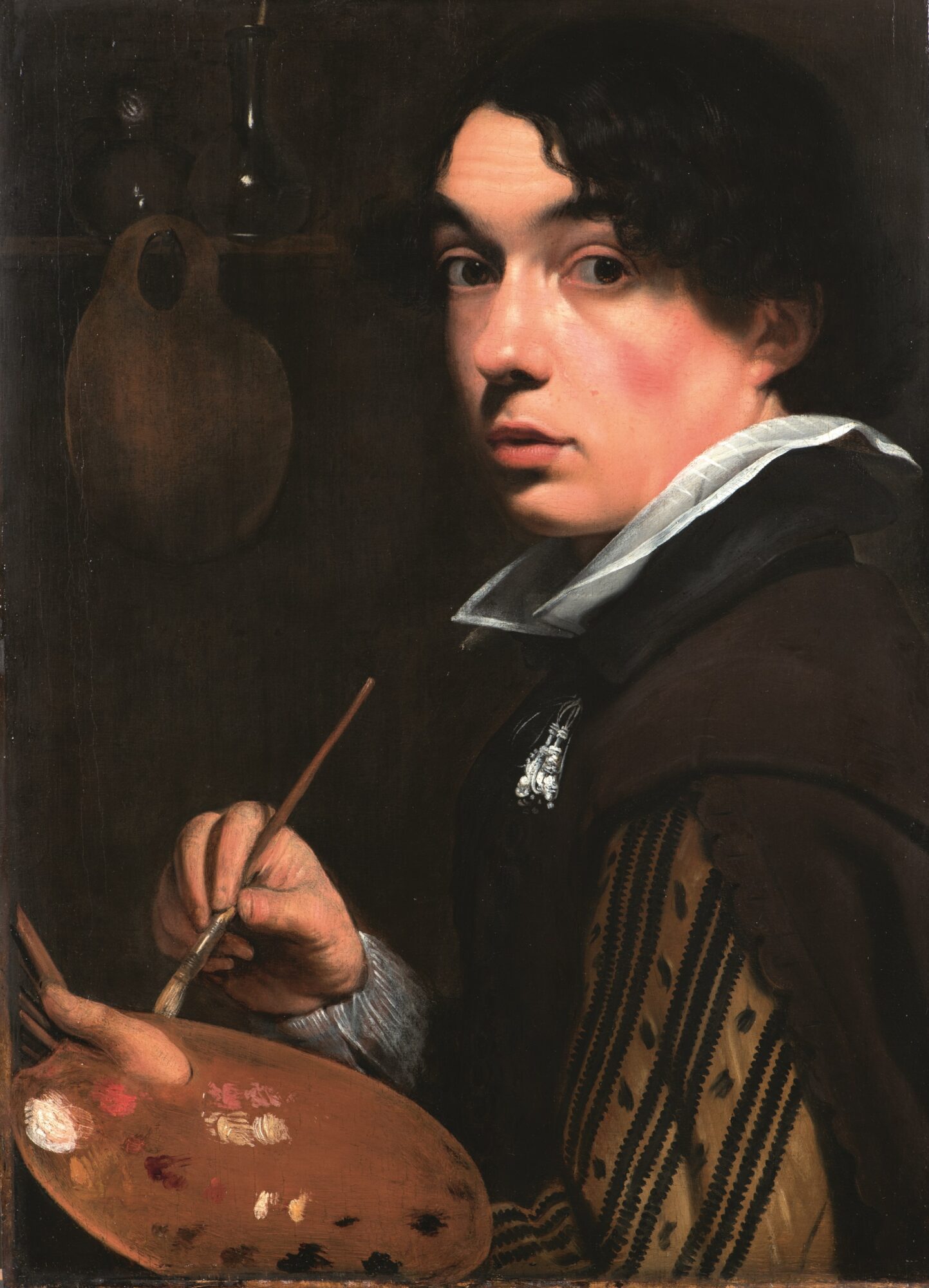
Jan Cossiers, Self-Portrait, c. 1626–1627. Intimate self-portrait of the artist holding palette and brush, turning toward the viewer within a dark studio interior with still-life elements, painted with subtle lighting and psychological acuity.
Jan Cossiers, Self-Portraitc.1620-27
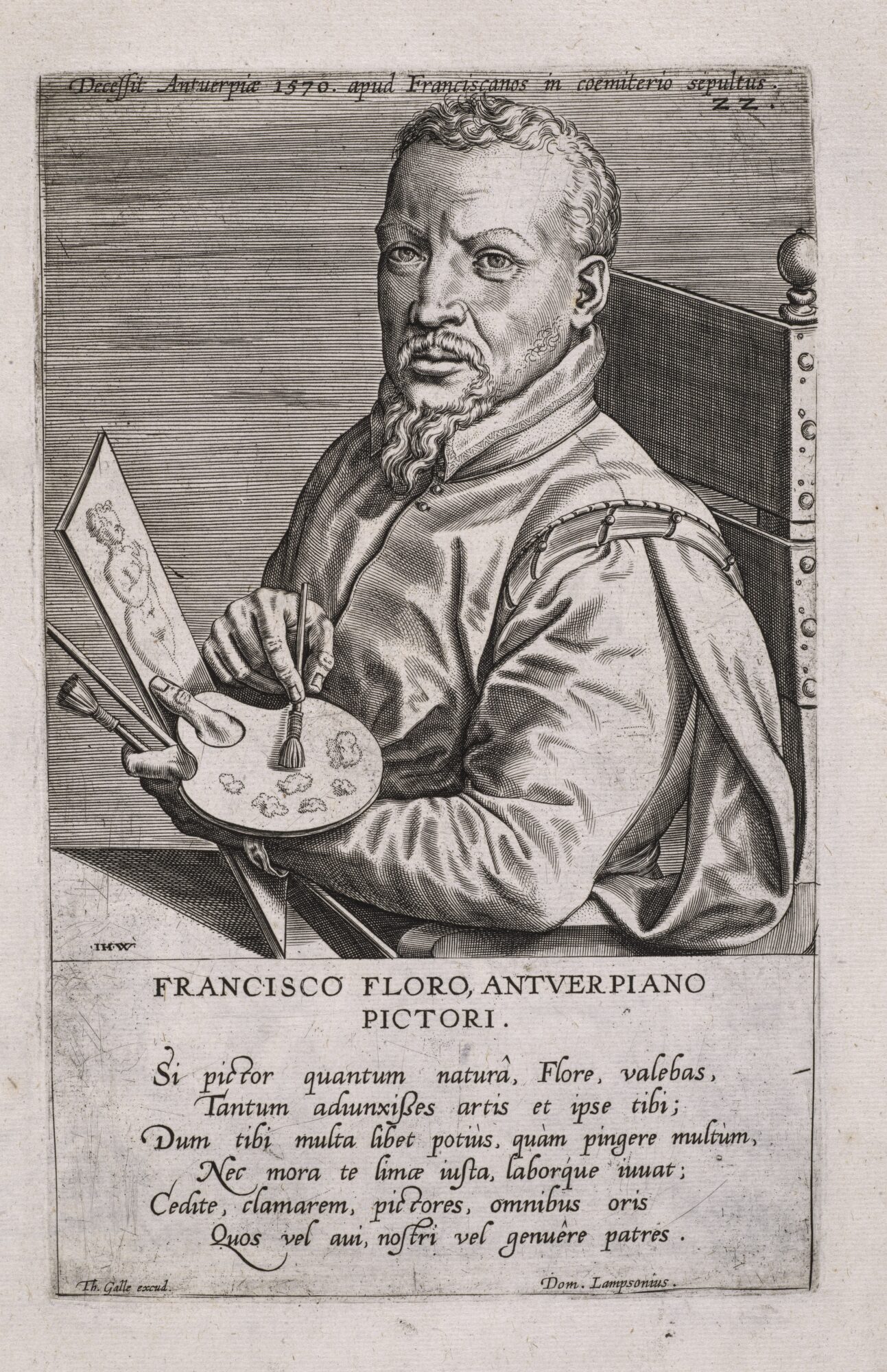
Johannes Wierix, Portrait of Frans Floris, 1572. Engraved artist’s portrait of Frans Floris seated with palette and brush, shown in three-quarter view with an intense gaze, accompanied by an inscription highlighting his reputation as an Antwerp history painter.
Johannes Wierix, Portrait of Frans Floris, 1572
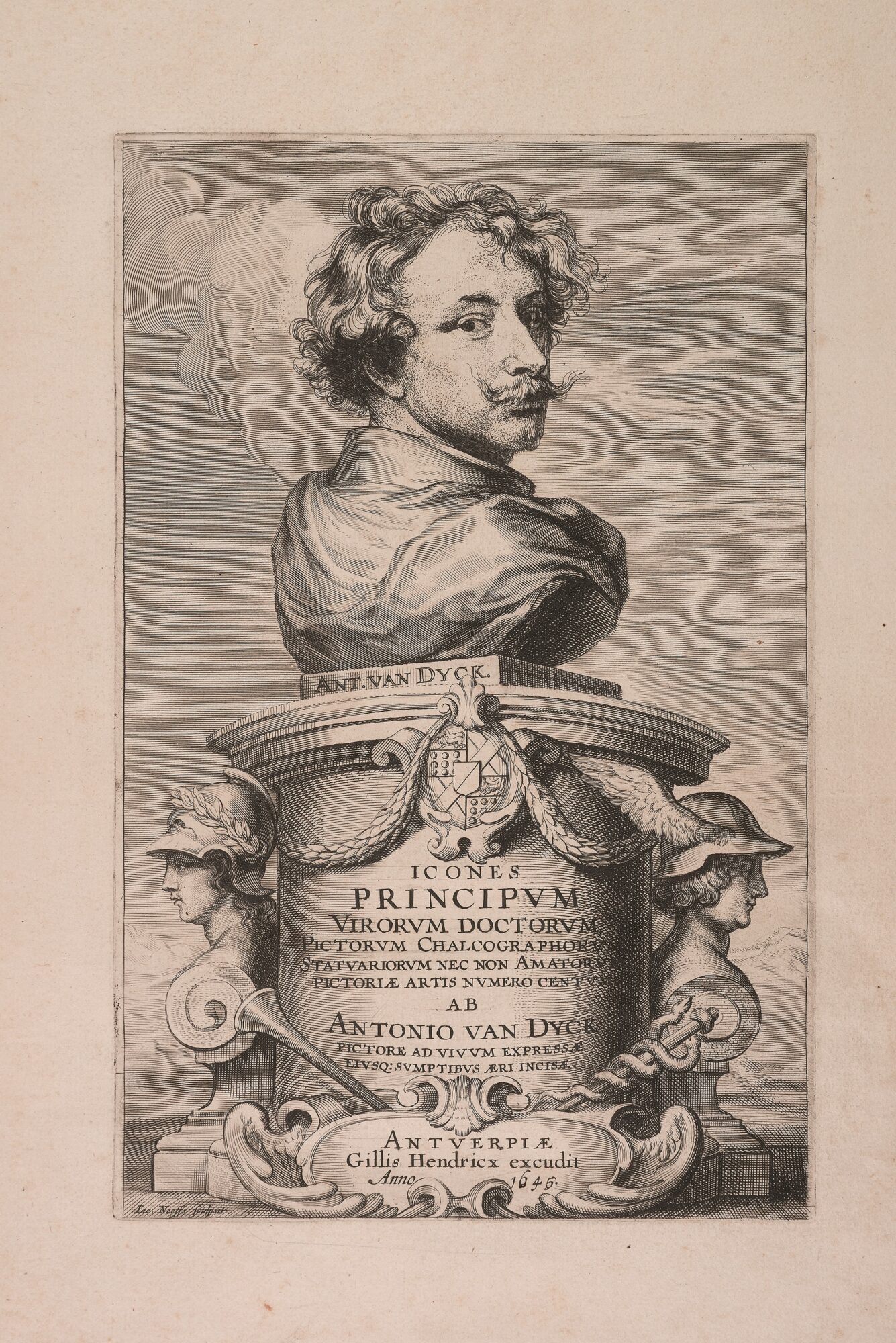
Jacob Neefs after Anthony van Dyck, Title Page with Self-Portrait of Anthony van Dyck (Icones Principum Virorum), 1645–1646. Engraved title page featuring a profile bust of Van Dyck above an elaborate cartouche with allegorical figures and inscriptions, referring to his portrait series of rulers, scholars, and artists.
Anthony Van Dyck en Jacob Neefs, Title Page with Self-Portrait of Anthony Van Dyck, 1645-46
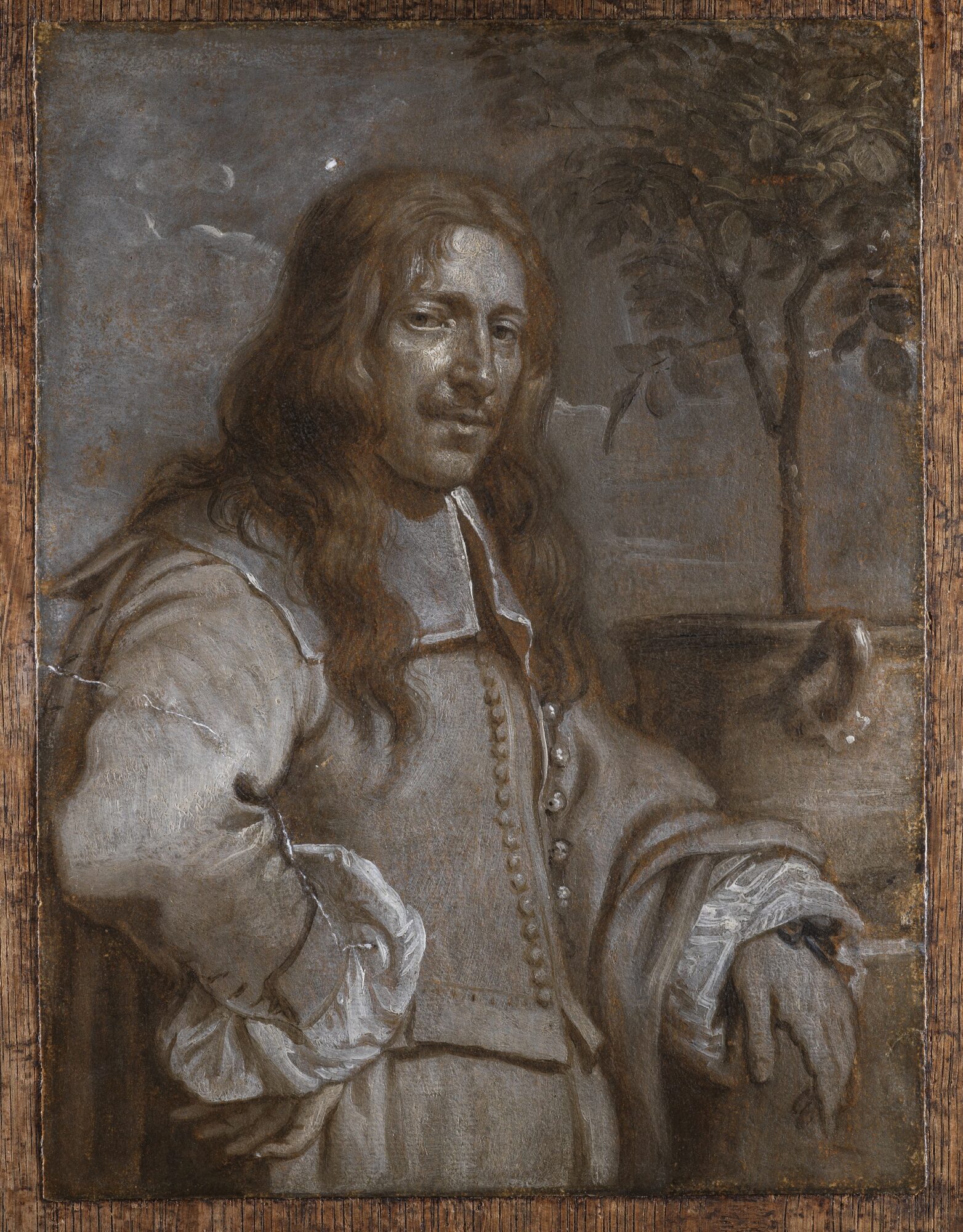
Erasmus Quellinus II, Portrait of Jan Philips Van Thielen, c. 1659–1660. Informal portrait of a man with long hair and moustache, dressed in a light-colored outfit, casually leaning against a balustrade with a garden or landscape in the background, painted in soft tones and a fluid brushwork style.
Erasmus Quellinus II, Portrait of Jan Philips Van Thielen, c.1659-60
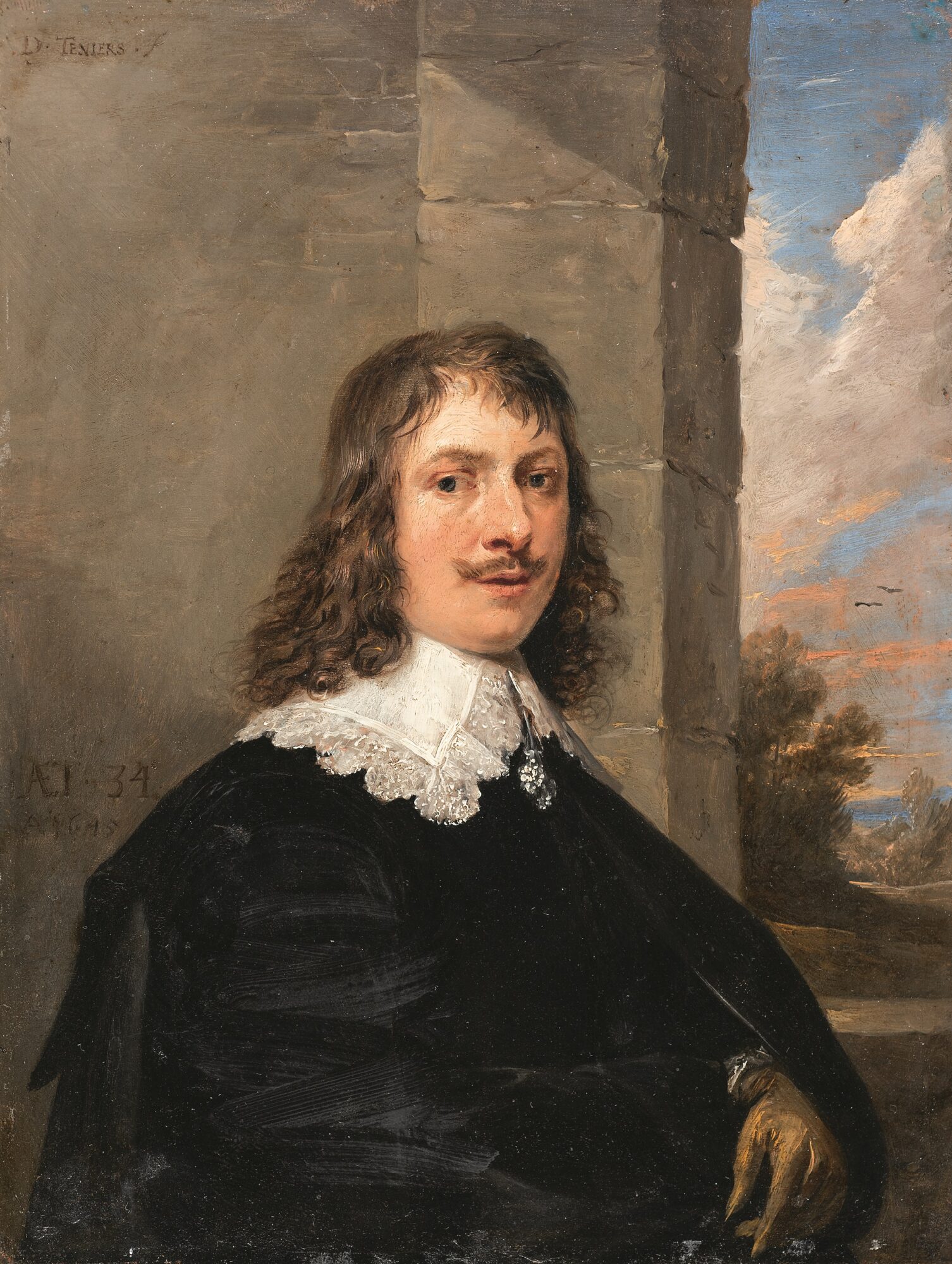
David II Teniers, Self-Portrait at the Age of Thirty-Four, 1645. Self-portrait of the artist dressed in dark clothing with a white lace collar, standing beside a stone wall with a view onto a landscape, painted with a direct gaze and confident, loose brushwork.
David Teniers II, Self-Portrait at the Age of Thirty-Four, 1645
Albrecht Dürer, Self-Portrait, 1498. Self-assured Renaissance portrait of the artist with long curly hair and a cap, dressed in refined attire and set before a window opening onto an Alpine landscape, an early assertion of artistic identity.
Albrecht Dürer, Self-Portrait, 1498

Madrid, Museo Nacional del Prado

Want to know more? Order the accompanying publication!