Napoleon’s elite soldier from West Flanders
Please note that the podcast is currently available in Dutch only.
Jozef Abeel came from Kaster, near Anzegem. Like so many young men from his part of Flanders, he was conscripted into Napoleon’s army. He was just nineteen. Serving in an elite cavalry unit, he witnessed the collapse of the Grande Armée in Russia. The journey from Kaster to Moscow and back took him through hell. Starving soldiers ate their own horses. Later, some resorted to cannibalism. Abeel was one of the few who lived to tell the tale.
Riding for the emperor
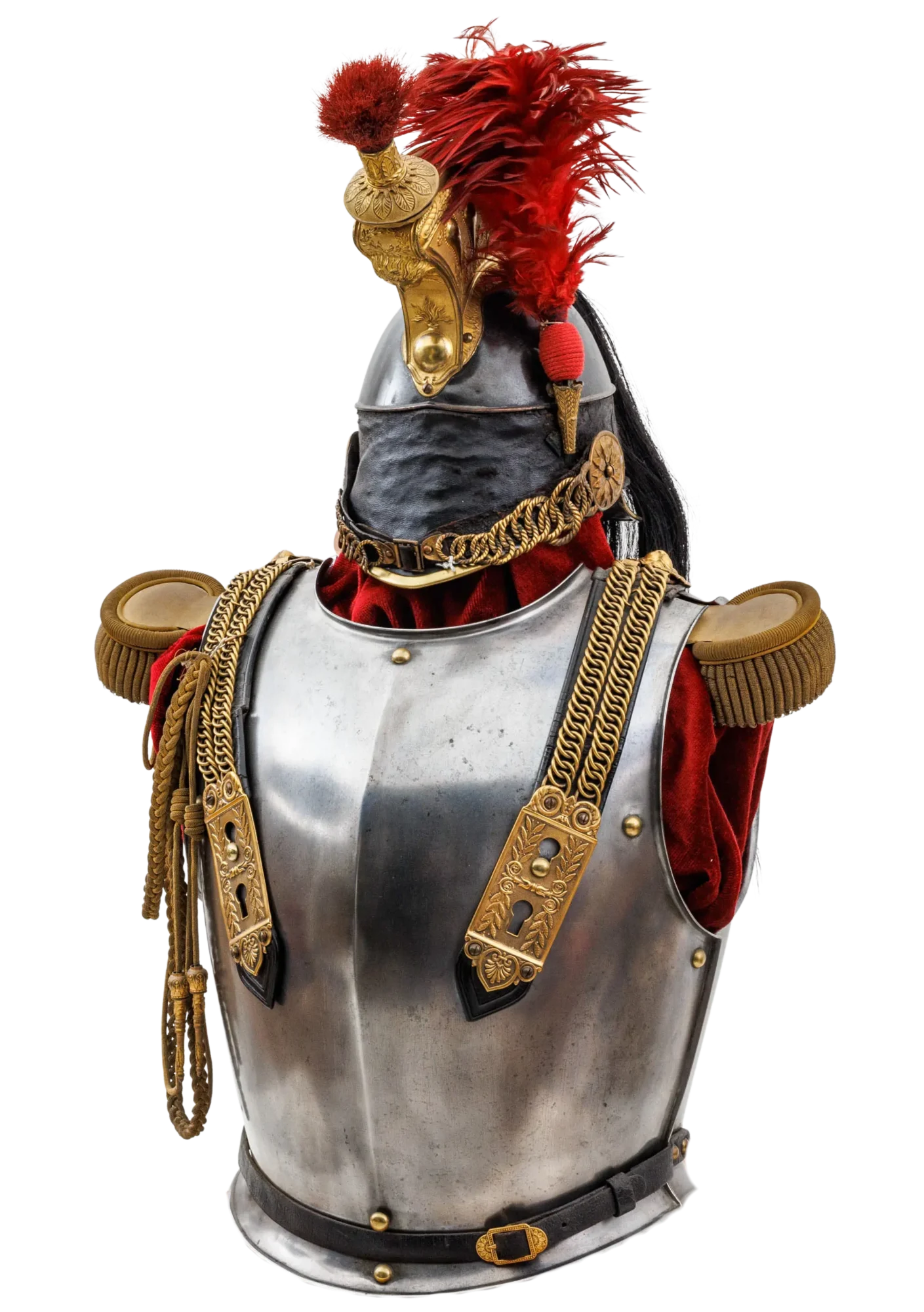
When Jozef Abeel rode to Moscow in 1812, the cuirass was a recent addition to the uniform of the French mounted carabiniers. After their heavy losses at Wagram in 1809, Napoleon I had ordered that each man be fitted with a helmet and a cuirass. The cuirass consisted of two metal plates, one protecting the rider’s chest and the other his back.
French cavalry officers still wore cuirasses under Napoleon’s nephew, Napoleon III. The example in the collection of The Phoebus Foundation dates from his reign. Two richly decorated straps hold the plates together at the shoulders. Even the fastenings on a suit of armour left room for a little ornament.
‘Mon cher Bertrand’
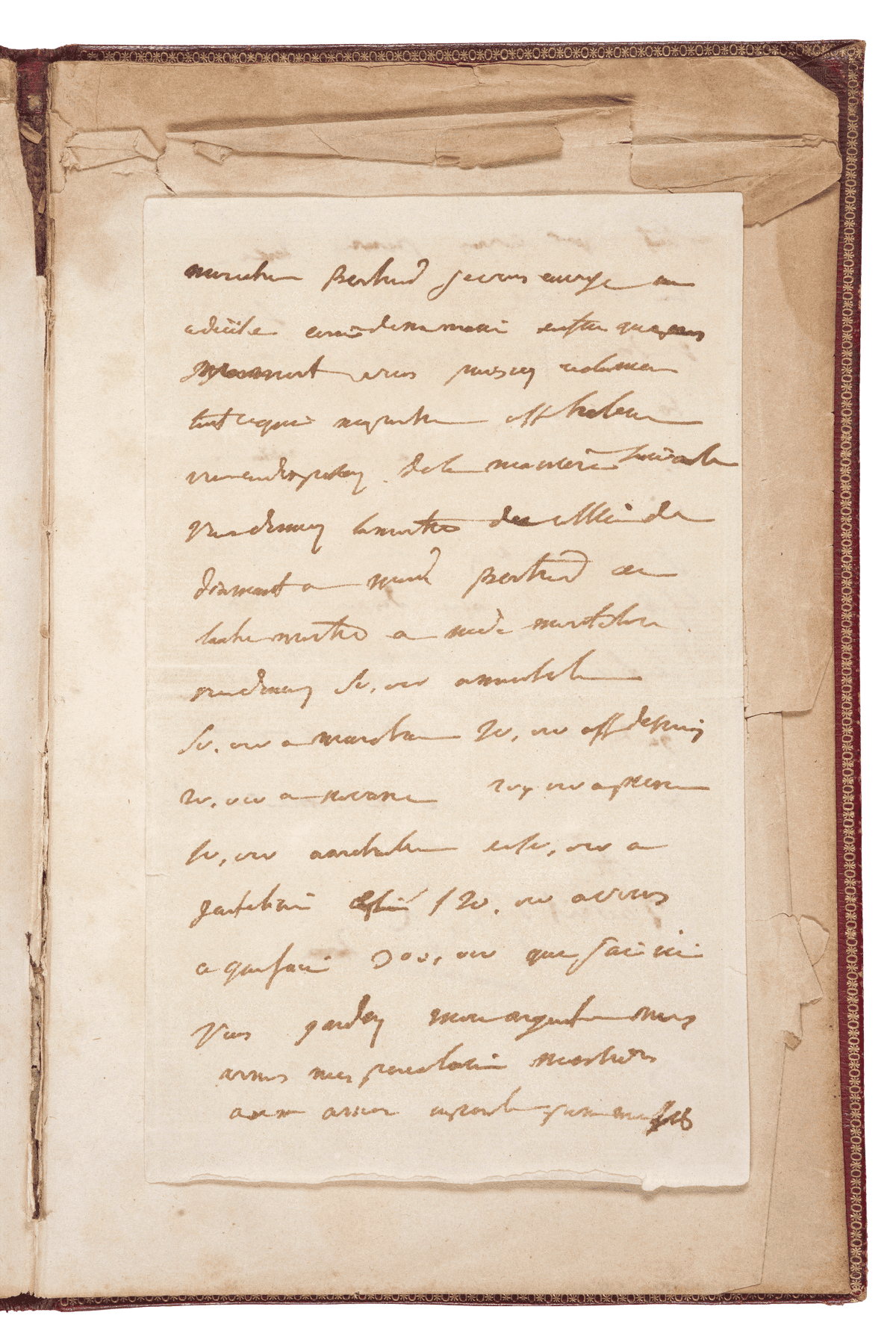
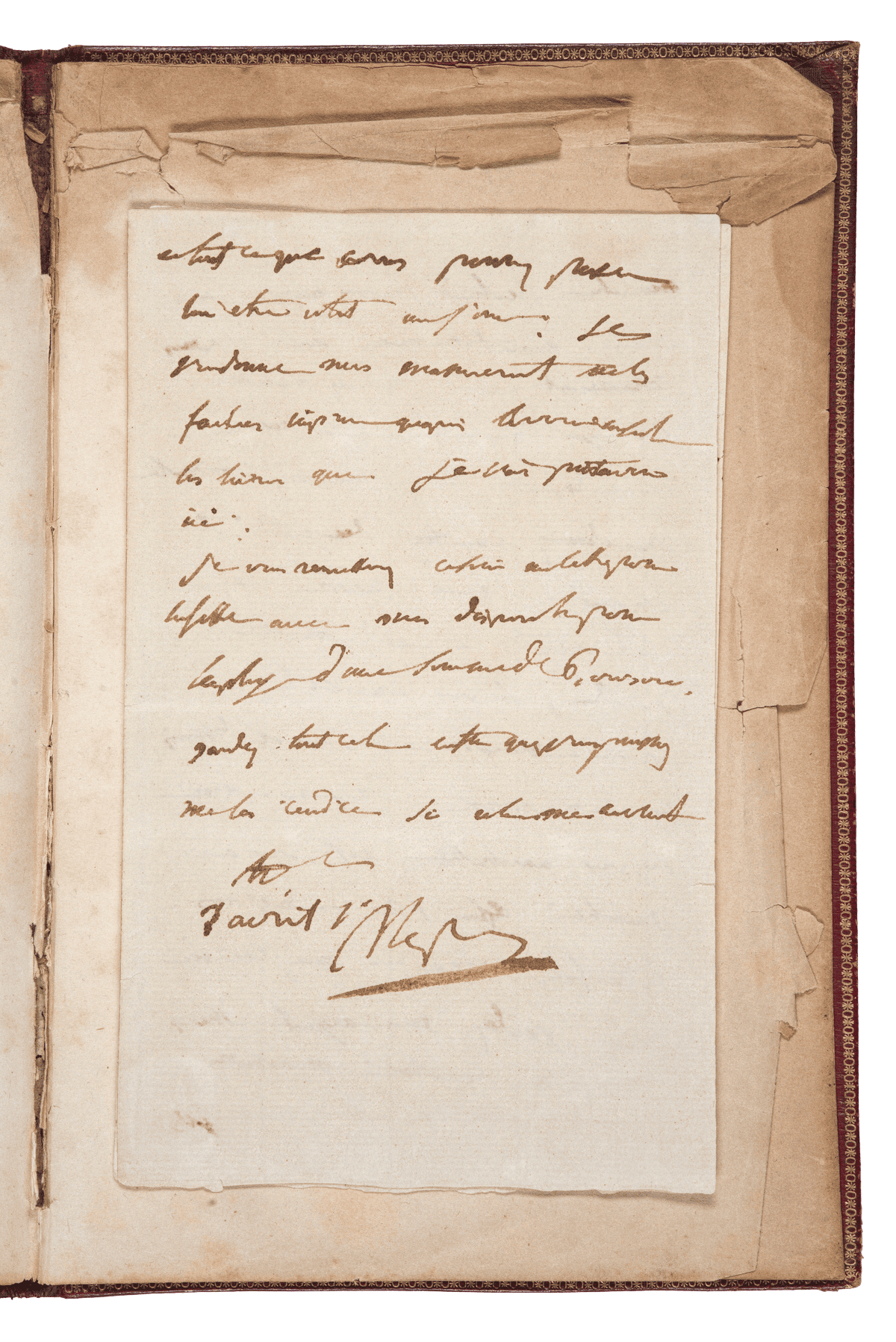
Seven years after the march on Moscow, Napoleon I writes to General Bertrand from exile on St Helena. ‘Mon cher Bertrand’, he begins. What follows is a handwritten addition to his first will, dating from early August 1819. In two pages, the former emperor sets out what is to become of his belongings on the island after his death.
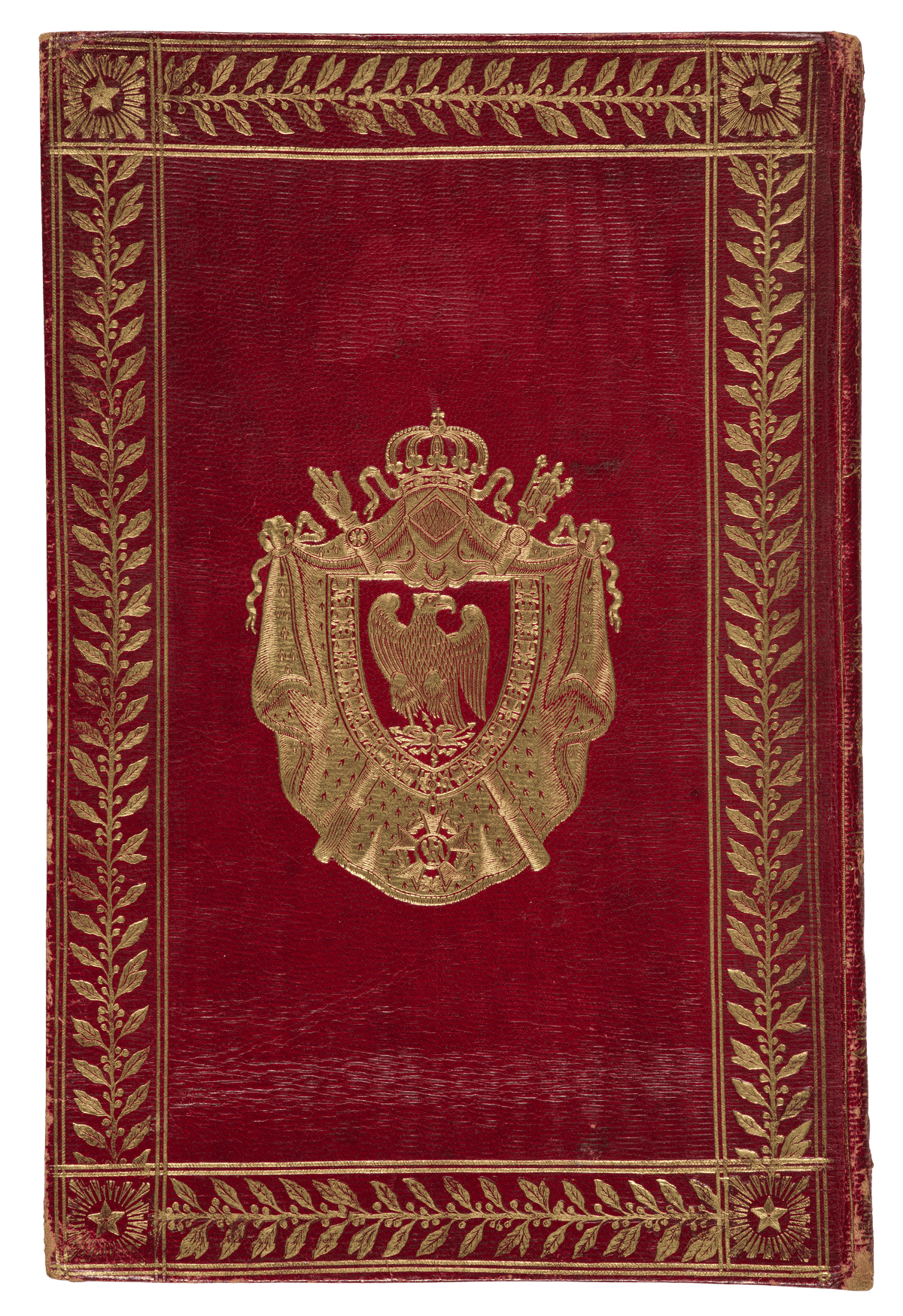
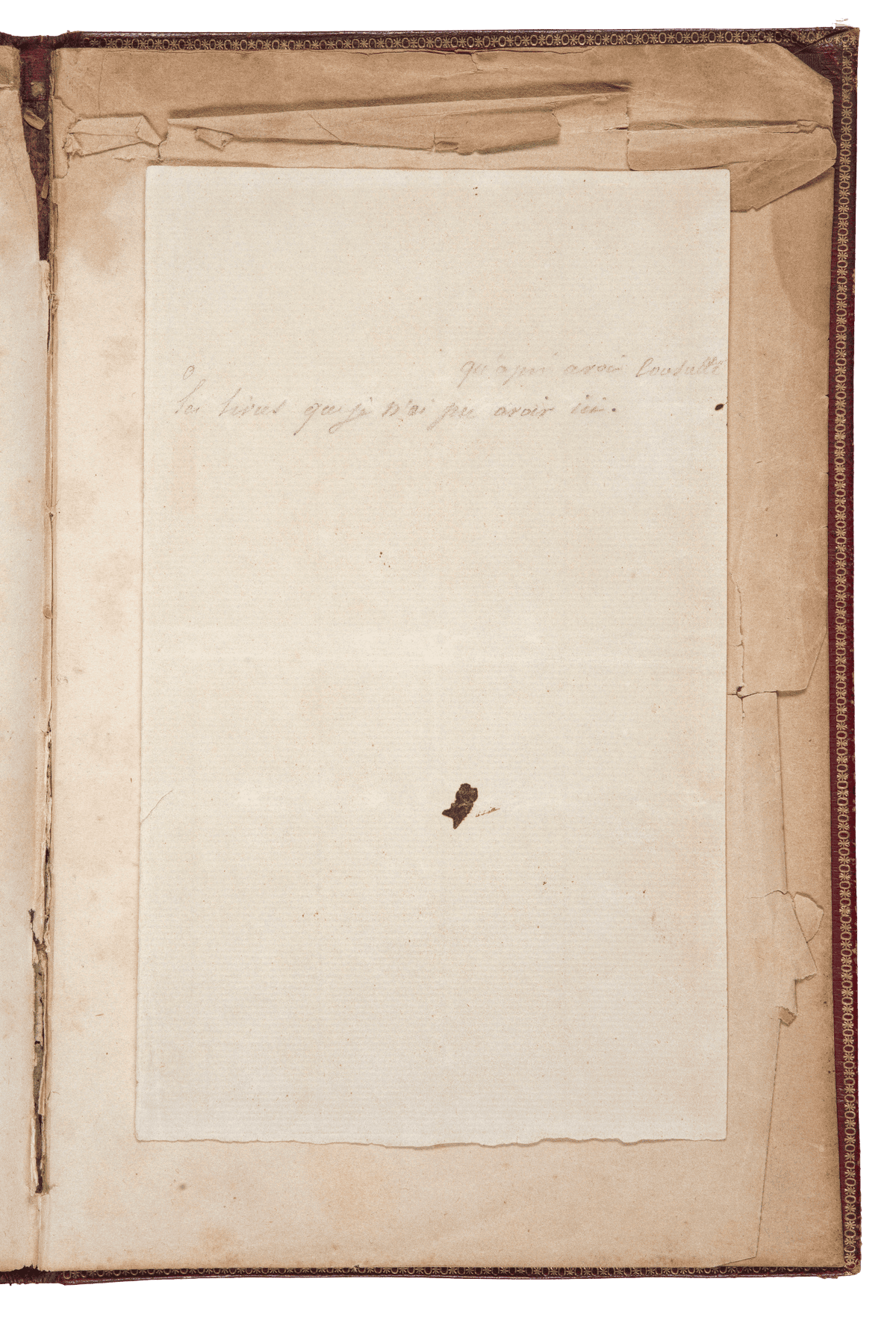
Some instructions leave little to Bertrand’s judgement. Madame Bertrand and Madame de Montholon are each to receive half of a diamond necklace. When it comes to his son, Napoleon gives the general more of a say. He asks him to set aside the silver, the porcelain and the books bearing the imperial coat of arms, along with anything else he thinks the boy might one day find useful. Napoleon leaves his manuscripts to Bertrand himself.
A lock of hair under glass
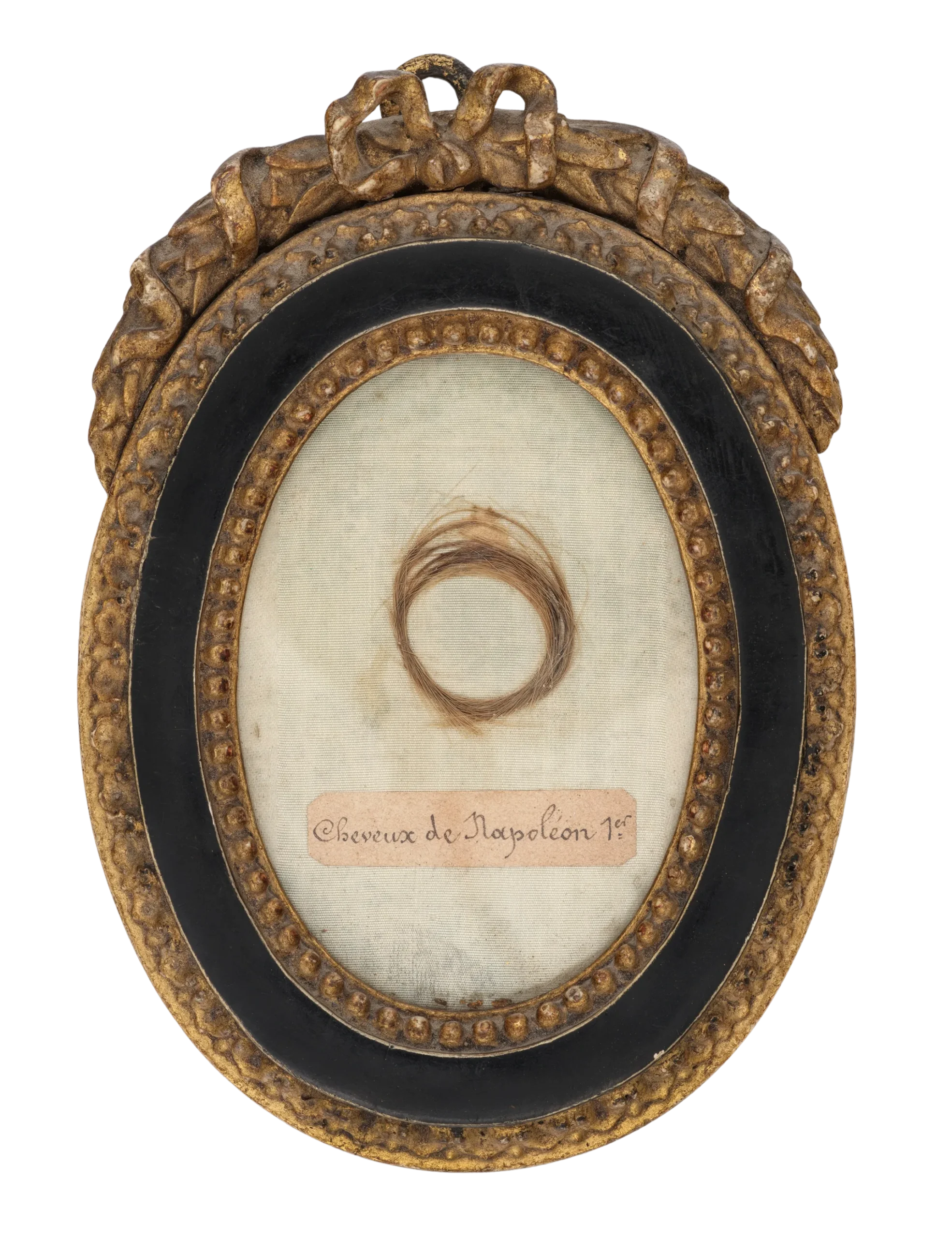
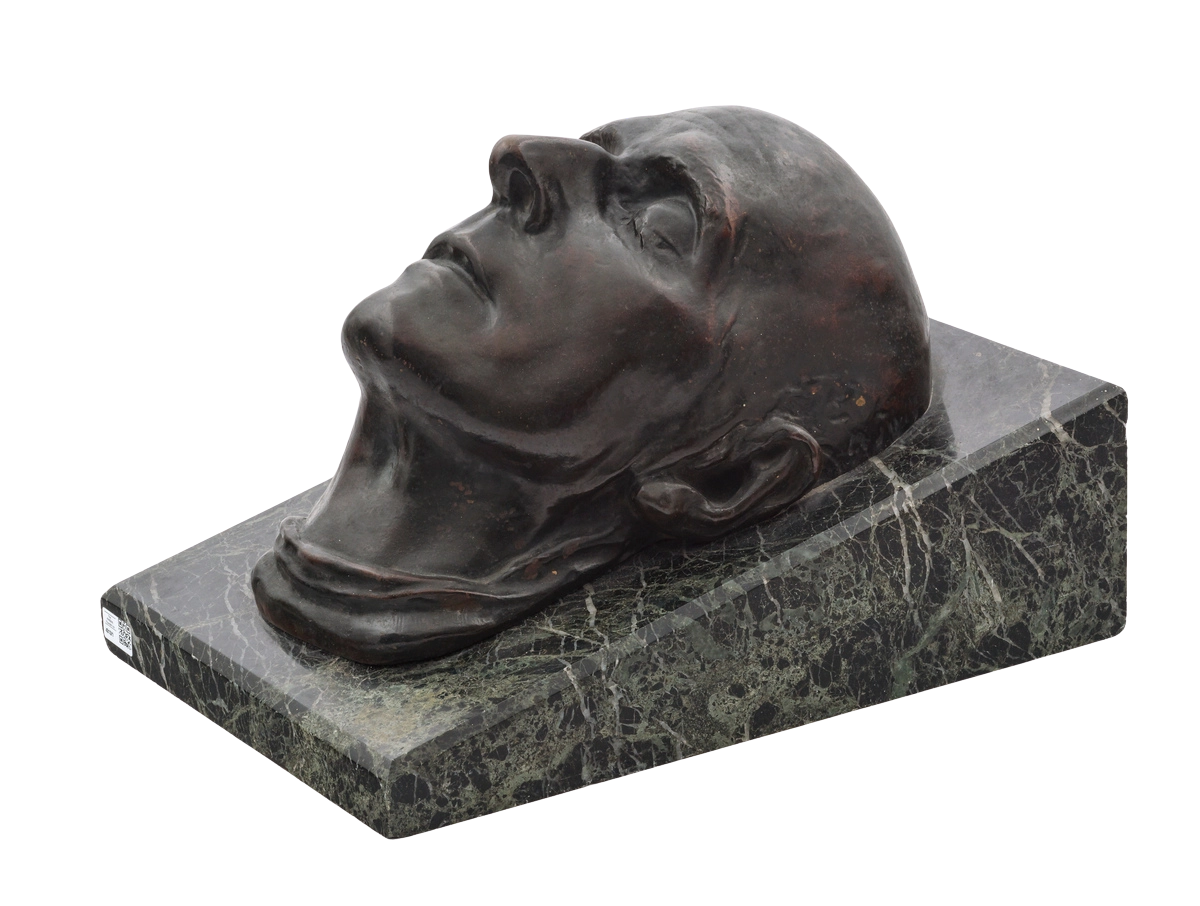
Napoleon dies on St Helena on 5 May 1821. A lock of hair and a death mask in the collection of The Phoebus Foundation offer two very different ways of remembering him. The lock forms a loop beneath the glass of an oval frame. A handwritten label identifies the few strands as Cheveux de Napoléon 1er (‘Hair of Napoleon I’). The death mask preserves his likeness. His eyes are closed, and there is no uniform or insignia to identify him. All we have to go on are his features.
Once upon a time… in Vlaanderen is a podcast created by Sven Speybrouck and published by Nieuwsblad. Special thanks to the writer Johan Op de Beeck. The podcast was made possible with support from The Phoebus Foundation SON, the Katoen Natie Group, Indaver and Hannibal Books.