Katoen Natie, The Phoebus Foundation, Indaver and Hannibal Books are creating the world’s largest carillon
Grandchildren Emmanuelle and Robert Huts strike the first note of the Singelberg Carillon, opening a new chapter in five centuries of carillon history
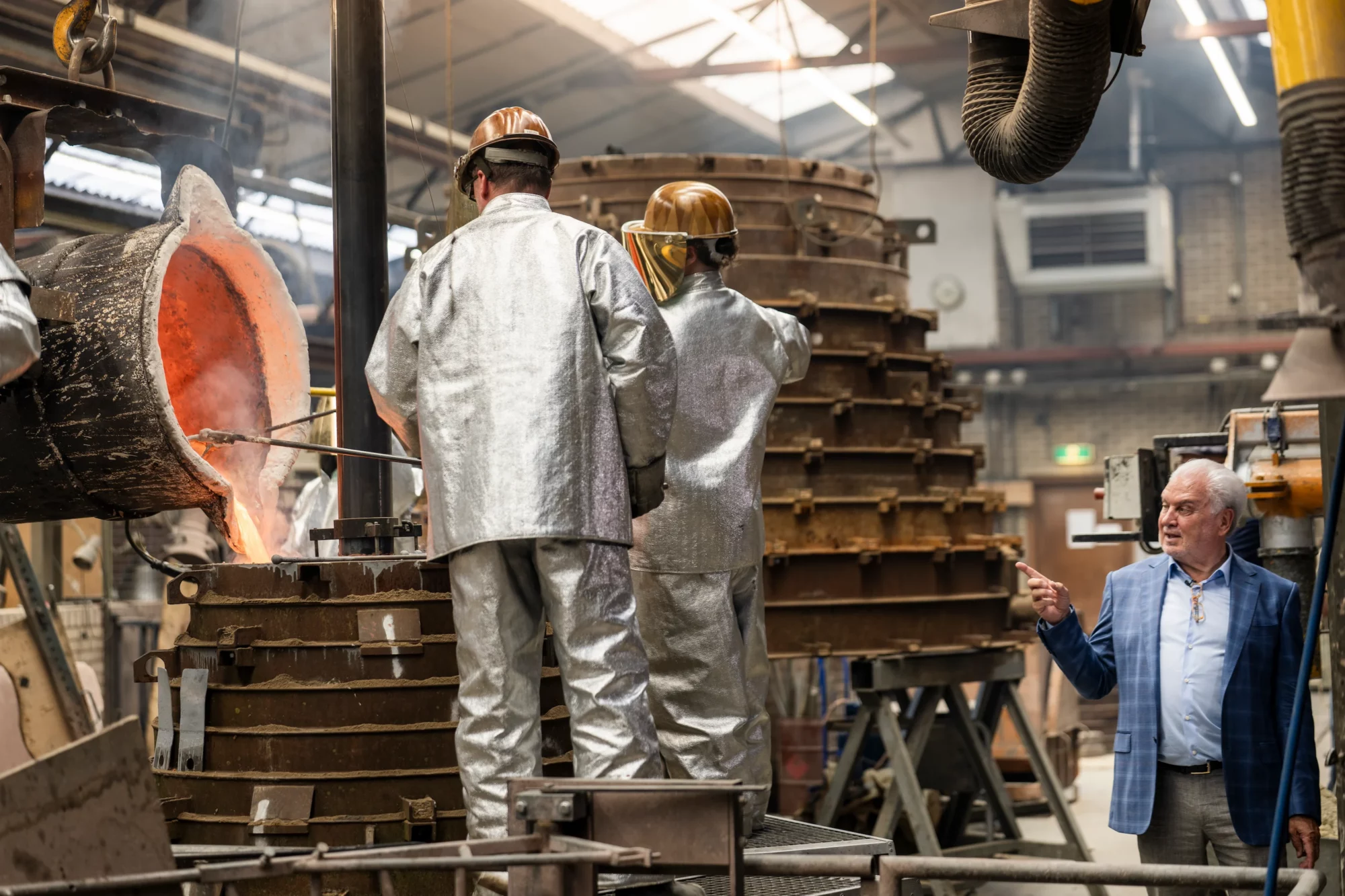
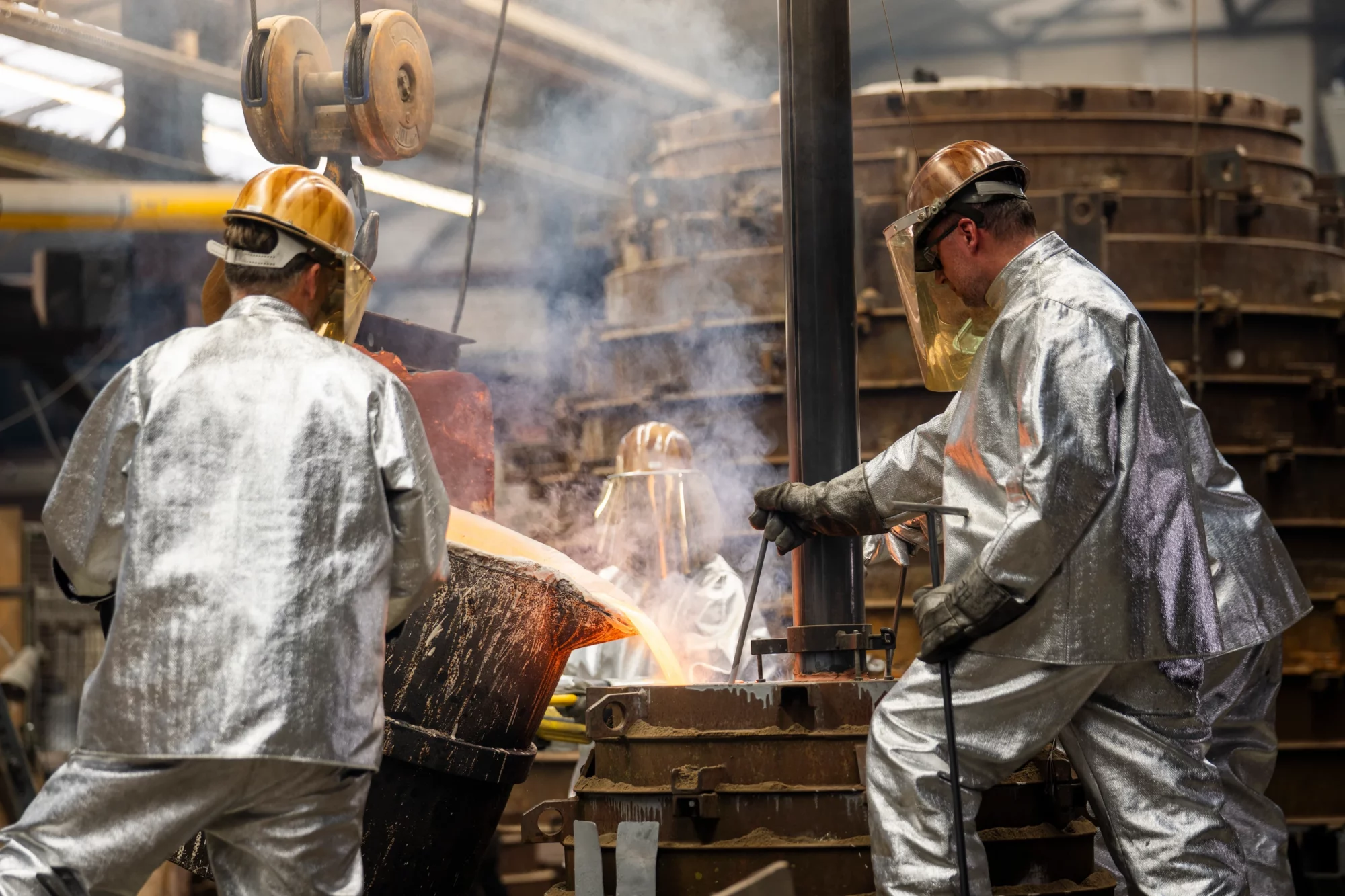
On 18 August 2026, the Singelberg Carillon begins to take shape with the casting of its first bell. At Royal Eijsbouts in Asten, this marks the start of a monumental new concert carillon made up of 81 bells, spanning six and a half octaves and weighing around 60 tonnes in total. Fernand and Karine Huts’ grandchildren give the bell its first symbolic strike. It is a fitting way to mark what this project is really about: not only creating an extraordinary musical instrument, but passing on a centuries-old heritage from one generation to the next.
Not with a gala concert or an official opening, but with fire, molten bronze and centuries-old craftsmanship, the story of the Singelberg Carillon begins on 18 August. The casting of its first bell marks the tangible start of a project through which Katoen Natie and The Phoebus Foundation aim to add a new chapter to a tradition that has been part of the cultural fabric of the Low Countries for more than five centuries. Every historic carillon began with a single bell, and now it is Singelberg’s turn. The fact that the first symbolic strike is given by the grandchildren captures the ambition behind the project perfectly: this is not an instrument being built for one generation, but for generations to come, including many who have yet to be born.
“Every historic carillon we admire today was once a new carillon. Someone had to have the courage to look beyond their own generation. With the Singelberg Carillon, we are doing the same. We are not building a monument for today, but creating a heritage that will bring people together for centuries to come. The fact that our grandchildren are giving the first strike today makes that idea particularly tangible. They represent the very generations for whom we are building this instrument.” – Fernand Huts, Chairman of Katoen Natie and The Phoebus Foundation SON
Why build a monumental carillon today? That question lies at the heart of the entire project. With 81 bells, a range of six and a half octaves, around 60 tonnes of bronze and a largest bell weighing approximately 11.5 tonnes, the Singelberg Carillon is set to become the most complete concert carillon in the world. More importantly, however, the instrument is intended to take the art of the carillon forward: as a concert instrument, a platform for new compositions, a laboratory for research and a meeting place for carillonneurs, composers and students from Belgium and abroad.
The Singelberg Carillon will not be a reconstruction of the past. Instead, centuries-old craftsmanship will be brought together with contemporary research and international artistic ambition. New music will be written especially for the instrument, while international gatherings and masterclasses will bring together musicians and experts from around the world. Its creation will also be documented in a richly illustrated publication. In this way, Singelberg aims not only to create an exceptional carillon, but to write a new chapter in the history of the instrument.
“Heritage only stays alive when each generation is willing to give it new meaning. The Singelberg Carillon brings together centuries of craftsmanship with contemporary research, international collaboration and artistic ambition. It shows that a living tradition is not simply preserved, but continues to evolve.”
“That ambition has its roots in the Low Countries, where the carillon developed from the late Middle Ages onwards into a unique form of public musical instrument. The earliest known written reference to a baton keyboard dates from 1510 in Oudenaarde. Flanders and Brabant were among the earliest centres of this tradition, before carillon culture developed further across both the Southern and Northern Netherlands during the 16th and 17th centuries. Antwerp played an important role from an early stage, while around 1900 Jef Denyn, working from Mechelen, sparked the instrument’s modern revival. The founding of the Carillon School in 1922 then gave the tradition an international reach. Today, carillons can be heard in more than thirty countries.” – Katharina Van Cauteren, Chief Executive Officer, The Phoebus Foundation SON
The Singelberg Carillon will also be entirely bespoke in its technical design. Its 81 bells will be installed in a fully open arrangement in a new carillon tower on the historic Singelberg site. At the heart of the tower will be a playing chamber with an exceptional six-and-a-half-octave keyboard. The bells, frame, suspension system, mechanics, acoustics and architecture are all being designed as one integrated whole. The tower will also be open to visitors, allowing them not only to hear the carillon, but to experience up close how the carillonneur, keyboard, mechanics and bells all work together.
For the bells, the project is working with Royal Eijsbouts in Asten, where centuries-old craftsmanship meets modern research. Different bell profiles and materials are being studied to give the lower bells a warm, powerful sound and the higher bells a bright, sparkling tone. One of the historical sources of inspiration is the famous bass bell cast in 1459 for the Cathedral of Our Lady in Antwerp. The casting of the first bell on 18 August marks the moment when years of ideas and research are, quite literally, cast in bronze.
The patrons of the Singelberg Carillon
Just as importantly, the Singelberg Carillon is shaped not only by bronze, but by the people behind it. That is why, on 18 August, the carillon’s patrons will take centre stage. Individuals, families, companies, associations and groups of friends can become patrons of a bell and, in doing so, become part of the Singelberg Carillon family. Each bell has its own tone, weight and place; together, all 81 voices form a single whole.
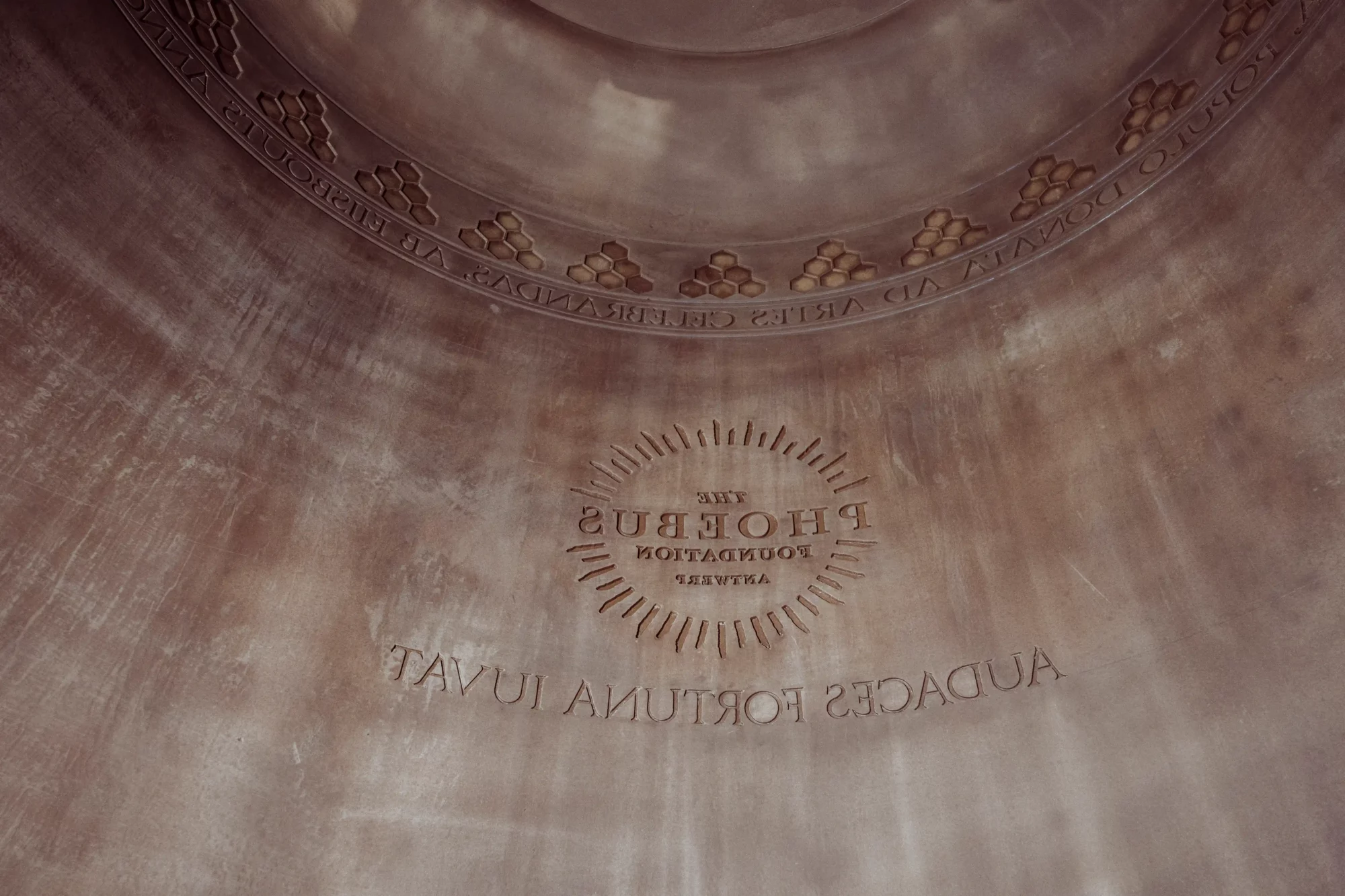
A patron’s name can be inscribed on their bell, while a commemorative plaque in the tower will bring together the names of all the patrons, who will also be included in the official register. Each patron will receive a certificate of authenticity and be involved in both the creation and the future life of the carillon, with visits to Eijsbouts, guided tours of Singelberg, and opportunities to take part in the opening and concerts. In this way, a community will grow around the 81 bells, helping to carry the instrument into the future. Singelberg itself is an important part of that story.
For centuries, it was the administrative heart of the Land of Beveren and today it is home to Katoen Natie and Indaver. The site continues to develop as a cultural campus where art, landscape, heritage, conservation, research, music and enterprise come together. The carillon tower will not stand as an isolated monument, but will become the musical heart of the site and, from 2028, a destination for visitors and the international carillon community alike.
“The Singelberg Carillon adds a new chapter to the history of the carillon. You don’t build an instrument like this for yourself, but for generations to come. For people you will never meet, but who, you hope, will one day be moved by it. That is what makes the grandchildren giving the first strike so meaningful: they quite literally make it possible to hear that this project is about the future.” – Steven Defoor, Managing Director, The Phoebus Foundation SON
When the grandchildren give the first strike on 18 August, the carillon will still be far from complete. There will not yet be a tower filled with bells, and much of the music that will one day be heard there has yet to be written. That is precisely what makes the moment so powerful: one generation takes the initiative, the next gives the first strike, and the generations that follow will make this musical heritage their own and give the instrument its music.
“The Singelberg Carillon is cast for today, but built for centuries to come. The carillon is one of the great cultural and heritage symbols of the Southern Netherlands.” – Fernand Huts, Chairman of Katoen Natie and The Phoebus Foundation SON
Deze website maakt gebruik van cookies om ervoor te zorgen dat u de beste ervaring op onze website krijgt. Privacy policy